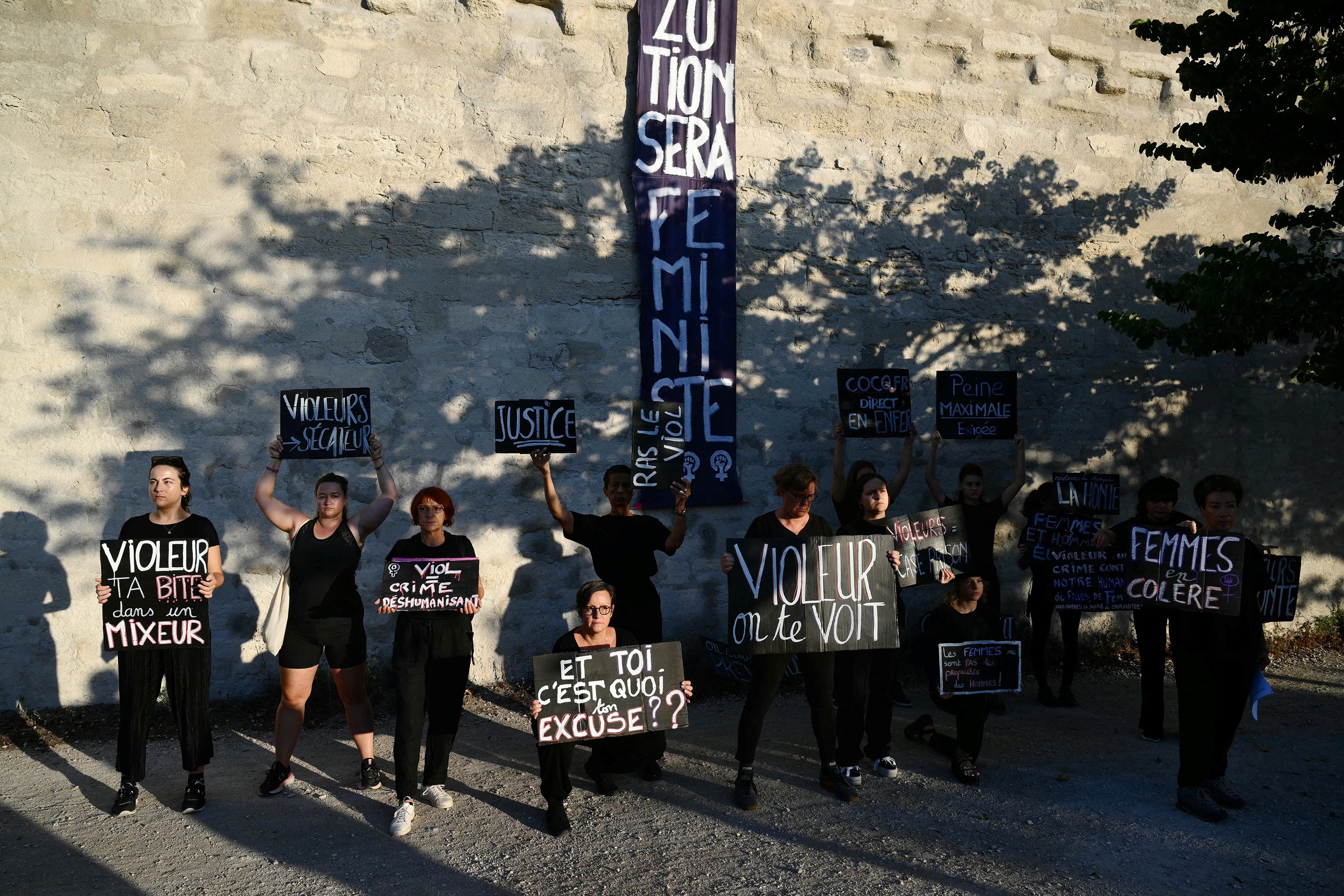
There are times when we shouldn’t be ashamed of public shaming
When our self-respect, status and social identity are threatened, we ought to defend ourselves and shame our wrongdoers
by James Edgar Lim
When our self-respect, status and social identity are threatened, we ought to defend ourselves and shame our wrongdoers
by James Edgar Lim

Research on the common strategies used to deal with emotions suggests their usefulness differs from culture to culture
by Mark Chen
Chatbots make us feel uniquely seen and heard, but then the ‘empathy gap’ kicks in and the relationship turns sour
by Joe Mullich
Popular

In the therapy room, I’ve seen how rethinking what we are – and what it means to ‘be dead’ – can lighten our fears
by Eric Jannazzo
In my therapy office, I’ve found that to live with greater purpose, we must think differently about where it comes from
by Ross White
Many of us crave trivial details while ignoring much of the world around us. Research helps explain this selective curiosity
by Tommy Blanchard
The muscle metaphor based on ego-depletion theory hasn’t survived scrutiny. But there’s an alternative that holds promise
by Alberto De Luca

Contrary to classic habit science, certain behaviours never become easy. Recognising this can help you stick with them
by Blair Saunders & Kimberly R More
Scientists are uncovering the nature of an elusive mental experience that challenges what it means to be conscious
by Thomas Andrillon
In an age of strong political commitments, a Nahuatl word encapsulates the freedom to let go of what has become oppressive
by Carlos Alberto Sánchez
Popular
View allIn the therapy room, I’ve seen how rethinking what we are – and what it means to ‘be dead’ – can lighten our fears
by Eric Jannazzo
In my therapy office, I’ve found that to live with greater purpose, we must think differently about where it comes from
by Ross White
Many of us crave trivial details while ignoring much of the world around us. Research helps explain this selective curiosity
by Tommy Blanchard
Drug treatments for schizophrenia have barely changed in 70 years, but a mix of chance and ingenuity offers fresh hope
by Jeremy Hall
Rather than being an enemy of empiricism, belief in what can’t be known is part of how we gain knowledge, even now
by Adam Kucharski
In an age of strong political commitments, a Nahuatl word encapsulates the freedom to let go of what has become oppressive
by Carlos Alberto Sánchez
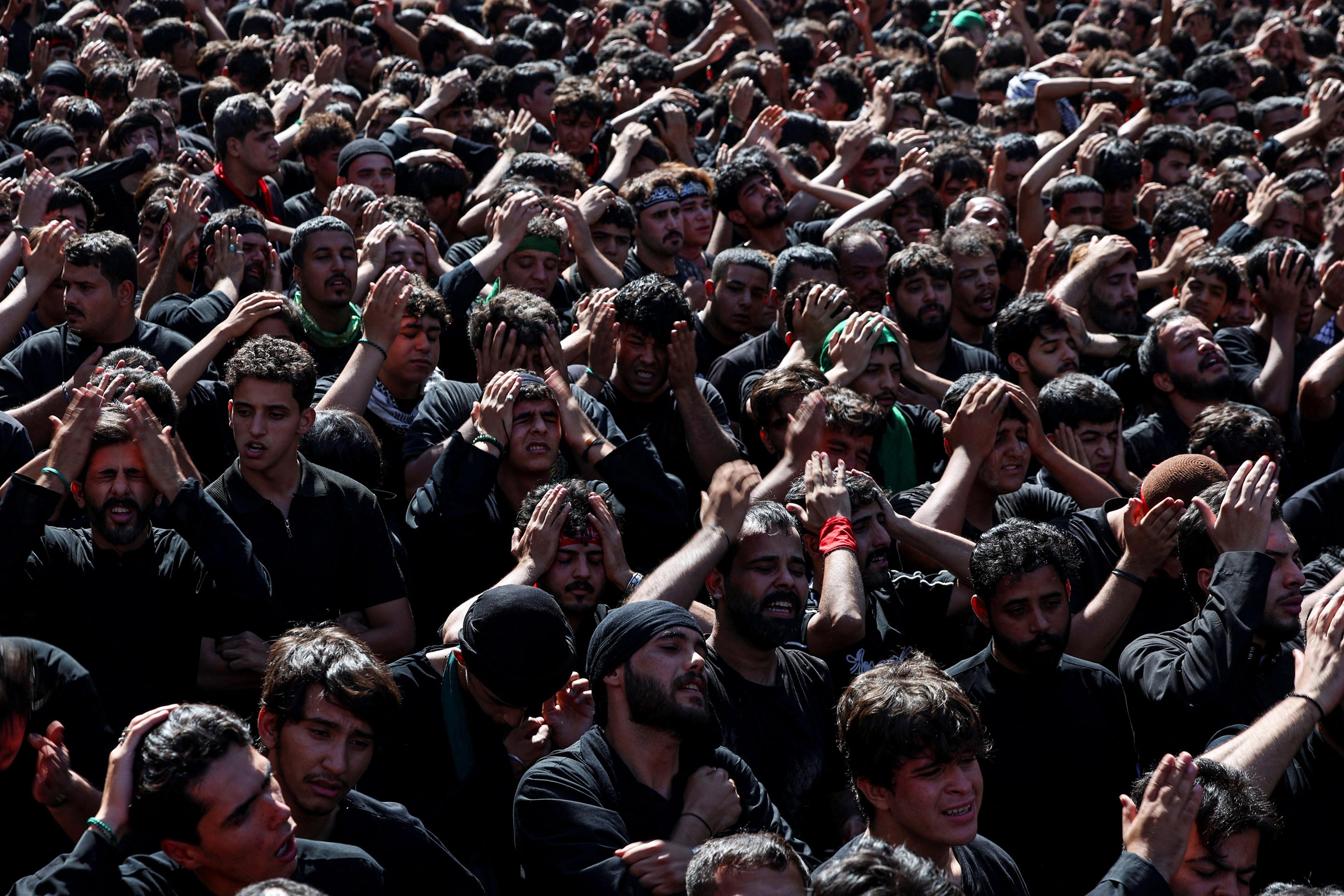
Seeing the ‘mind’ as extending beyond the head can help us better understand the nature of transcendent experiences
by Mohammadamin Saraei
Well-meaning campaigns urge openness and conversation about mental health struggles. But there are those who cherish silence
by Dan Degerman
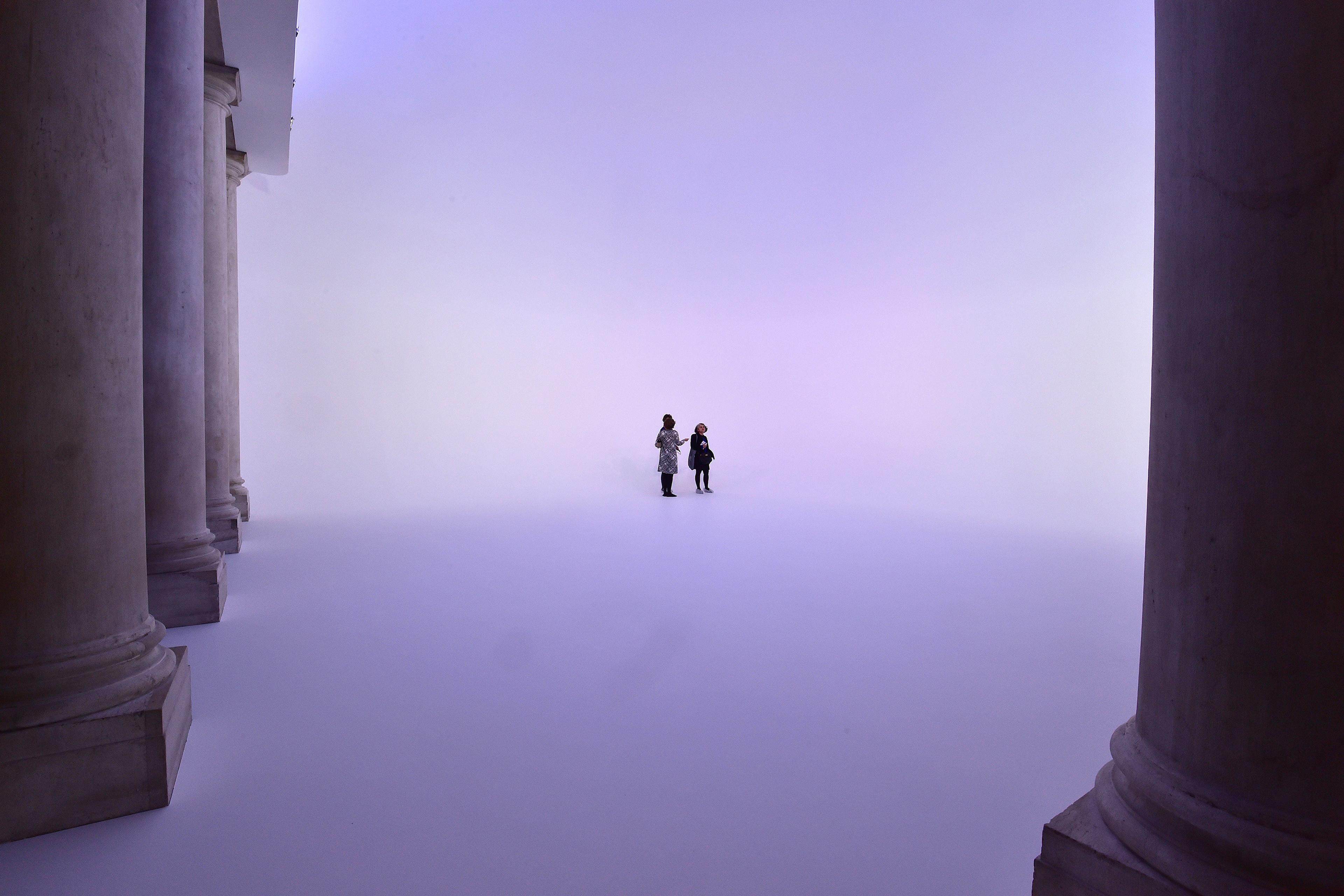
Stillness shouldn’t be something you only find in nature. Well-designed urban spaces can be good for the nervous system, too
by Zsanett Ritli
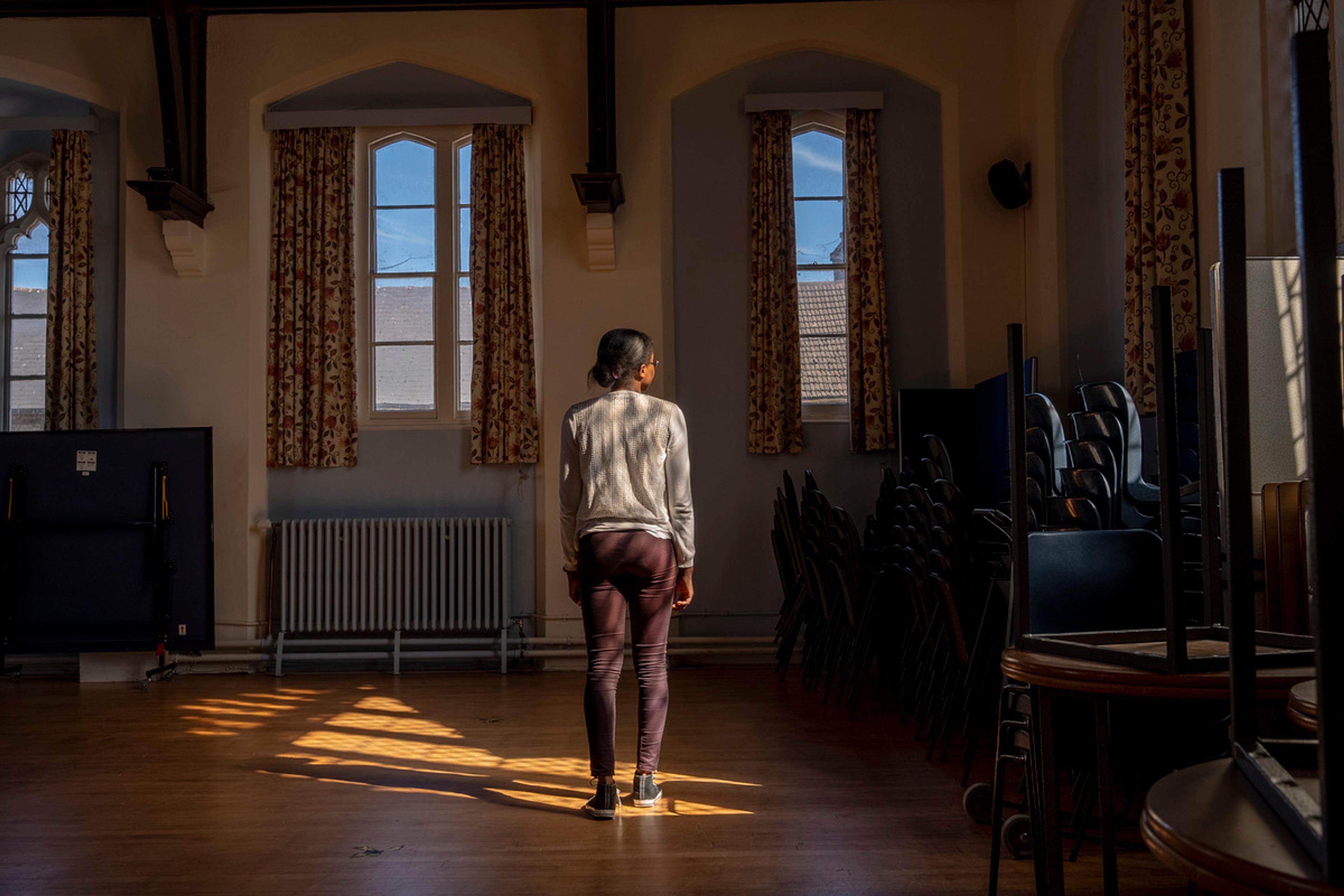
In therapy with people from immigrant families, I’ve seen the side effects of adaptation – and what it takes to break free
by Dennis Portnoy
The muscle metaphor based on ego-depletion theory hasn’t survived scrutiny. But there’s an alternative that holds promise
by Alberto De Luca
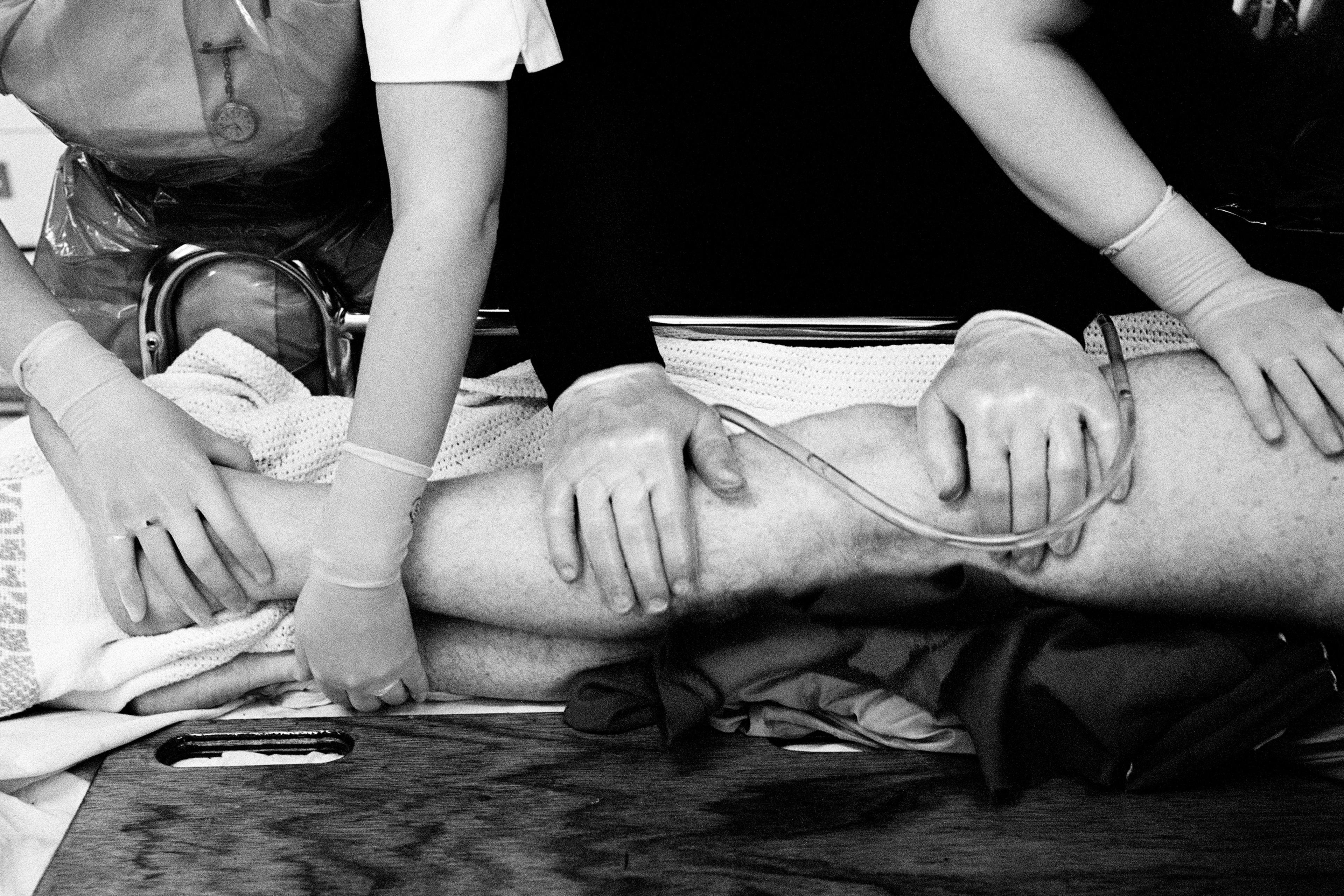
Reckoning with the complex history of dignity reveals its fragility and what Hannah Arendt recognised as its conditionality
by Christa Teston
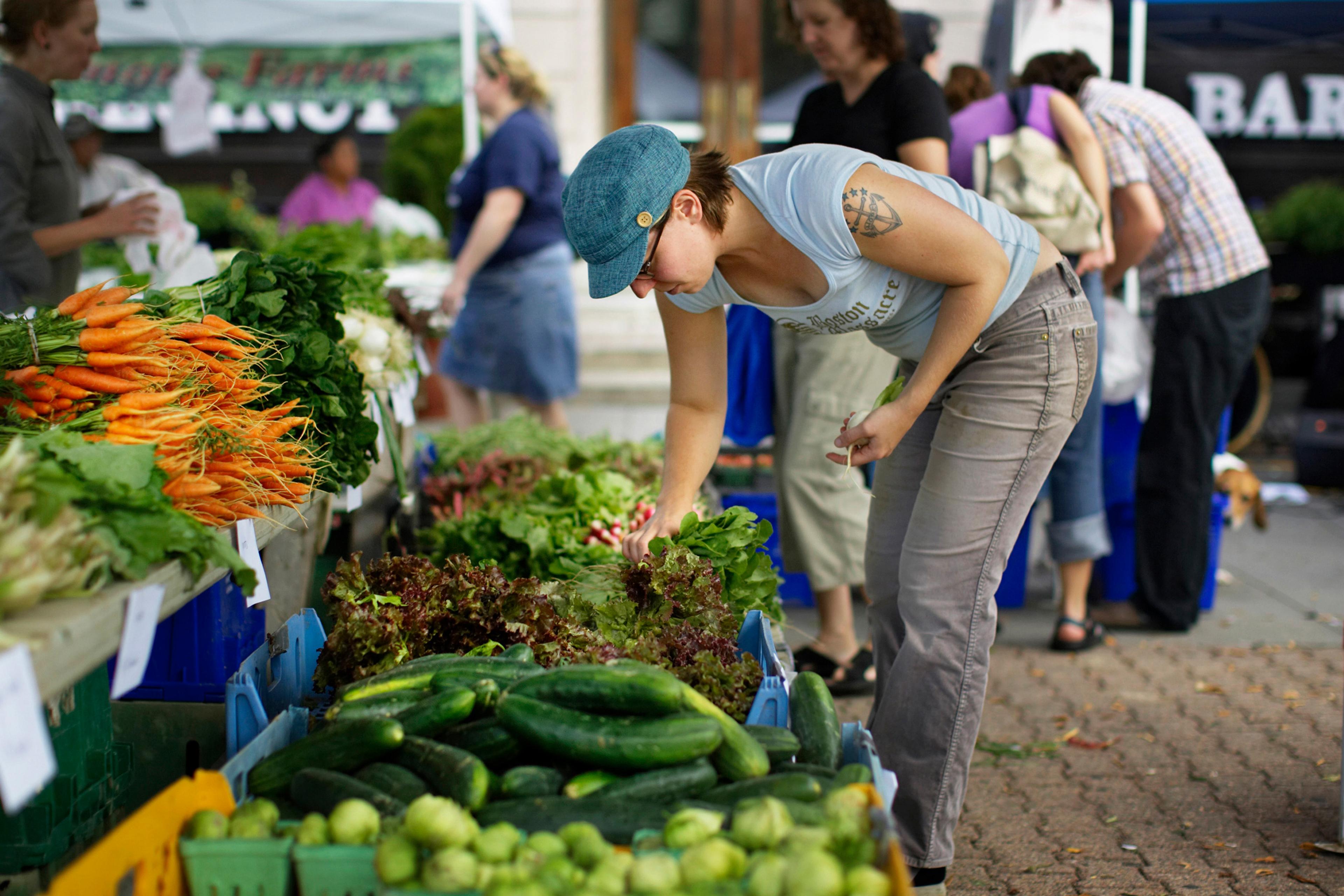
Understanding the intuitive power of the word ‘natural’ could help inform choices about what to eat or what to do when ill
by Brian Meier
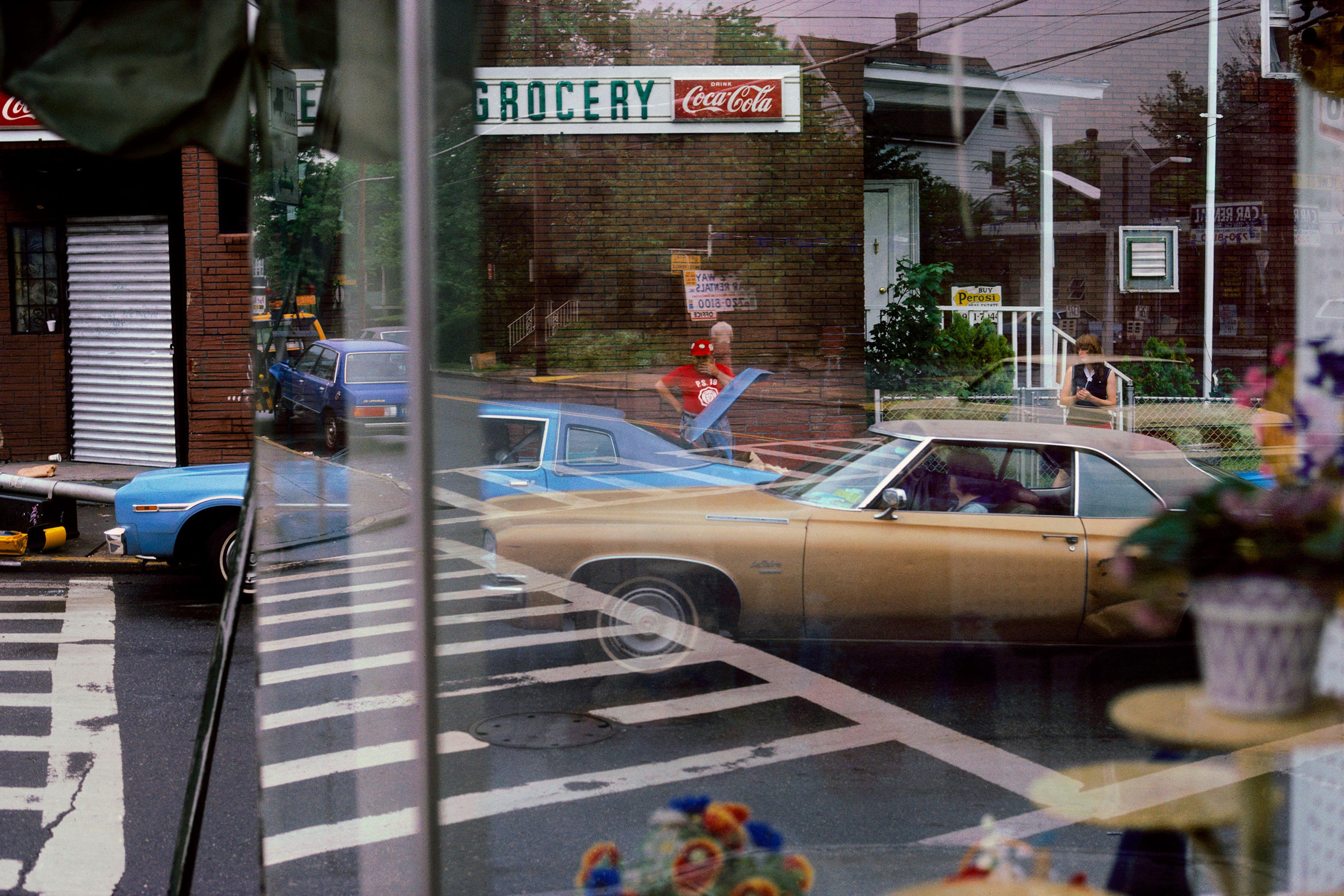
We aren’t safe inside separate minds. Being-in-the-world means we’re entangled and vulnerable – and that’s how we flourish
by Katherine Withy
Scientists are uncovering the nature of an elusive mental experience that challenges what it means to be conscious
by Thomas Andrillon
For many who are chronically connected, a break from tech sounds appealing. Research is uncovering when and how it helps
by Kostadin Kushlev
In my therapy office, I’ve found that to live with greater purpose, we must think differently about where it comes from
by Ross White
Historically, trust in institutions freed us to do extraordinary things. They can be flawed, but we lose them at our peril
by Ros Taylor