Behaviour control: freedom and morality

24 MINUTES

Why B F Skinner believed society needs control, not freedom

The American psychologist and social philosopher B F Skinner (1904-1990) was one of the most influential thinkers of the twentieth century. He is best known for his experiments on, and theoretical framework for, human and nonhuman animal behaviour, which he proposed was largely shaped by positive and negative reinforcement. A strict materialist and determinist, he believed that behaviour could be explained without invoking internal states such as thoughts and intentions.

In this discussion from 1972, Skinner and the English philosopher Geoffrey Warnock (1923-1995) discuss ideas from Skinner’s controversial book Beyond Freedom and Dignity (1971), in which he argued that the concept of free will is both outdated and a hindrance to progress, and that behavioural engineering should be used to help shape a better world. Throughout, Warnock seeks to clarify Skinner’s ideas and takes issue with some of them. This includes, in particular, Skinner’s optimism that large-scale behavioural engineering would be used for the greater good – a claim that may invite a decent degree of scepticism, especially from the vantage point of today.

Explore more

Photo of children with backpacks walking in a school corridor.

A radical approach can change behaviour in and out of the classroom

With compassion and consistency, radical behaviourism is a powerful tool for managing difficult classroom behaviour

by Alexandria C Robers

Photo of glass doors with push handles leading outside. A blurred car is visible through the doors.

How to think about free will

You can’t escape cause and effect, but there is a way of viewing human agency that is motivating, plausible and humane

by Julian Baggini

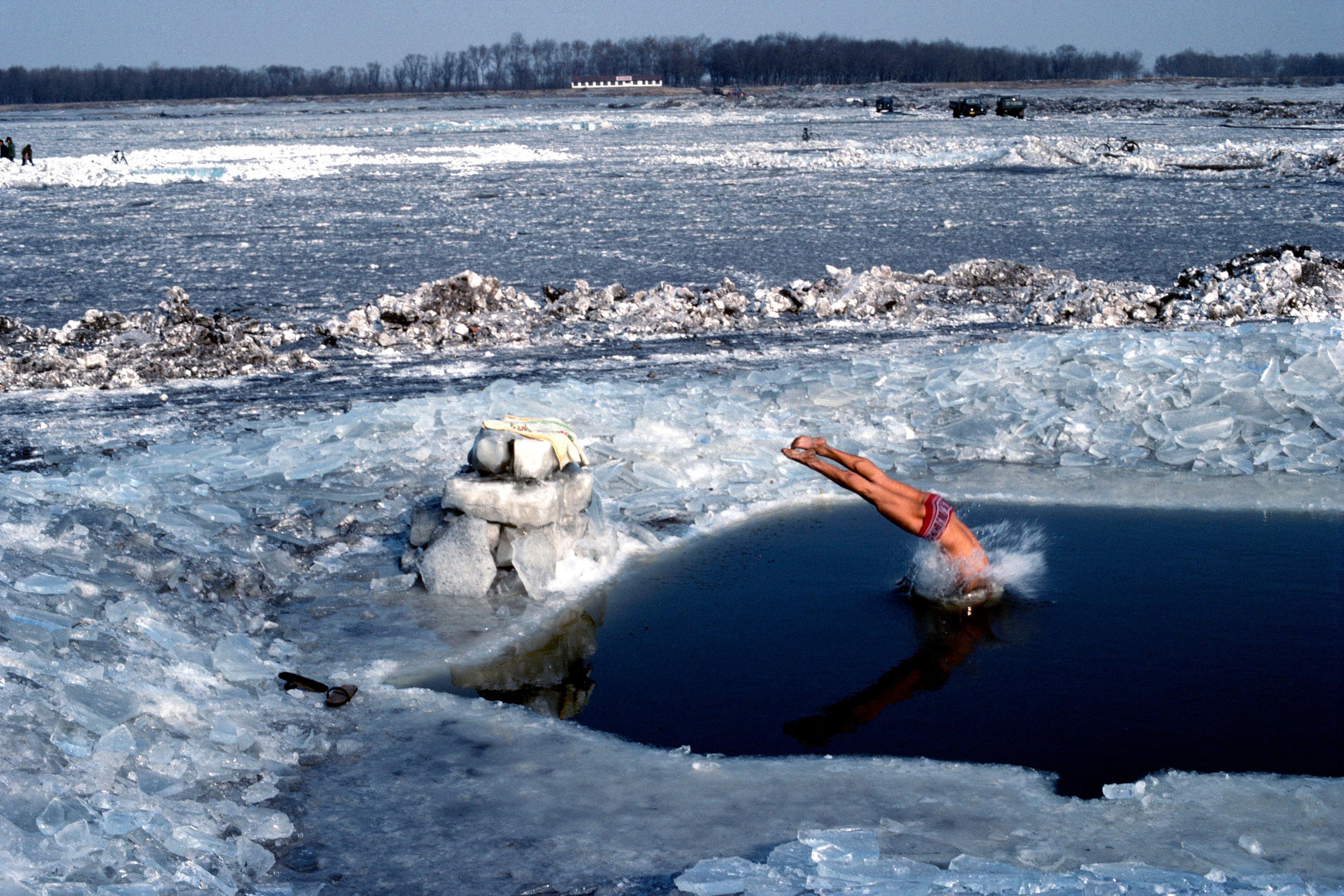
Photo of a person diving into an ice hole on a frozen river landscape with ice chunks and distant trees visible.

The three reasons why it’s good for you to believe in free will

Regardless of whether humans do or don’t have free will, psychological research shows it’s beneficial to act as if you do

by Kennon Sheldon

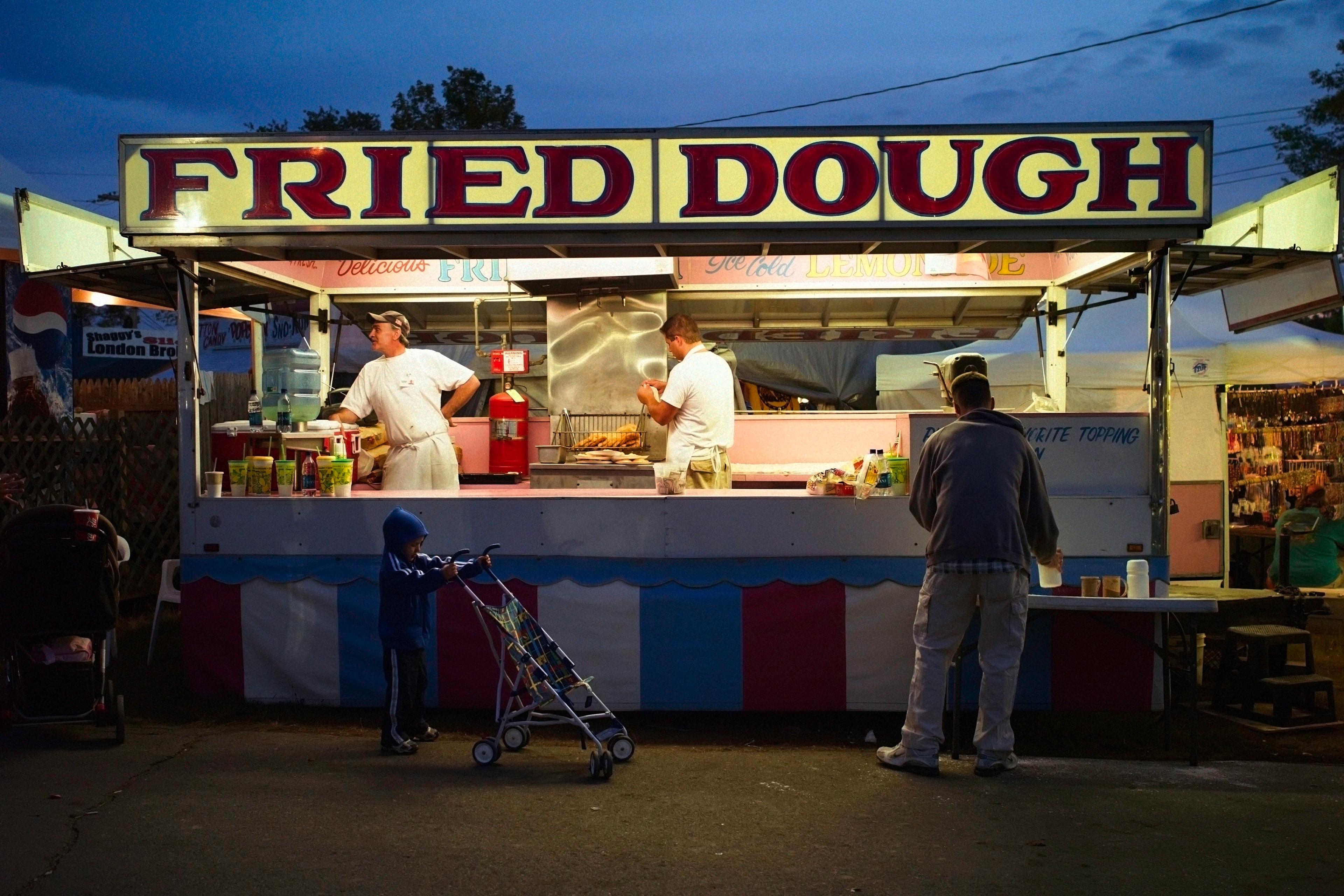
Photo of a fried dough stall at a fair with vendors inside, a child with a stroller, and a customer at the counter.

The id and the nudge: where Freud meets behavioural economics

Both Sigmund Freud and behavioural economists describe a dual-process mind. But the differences in their ideas are revealing

by Briana S Last

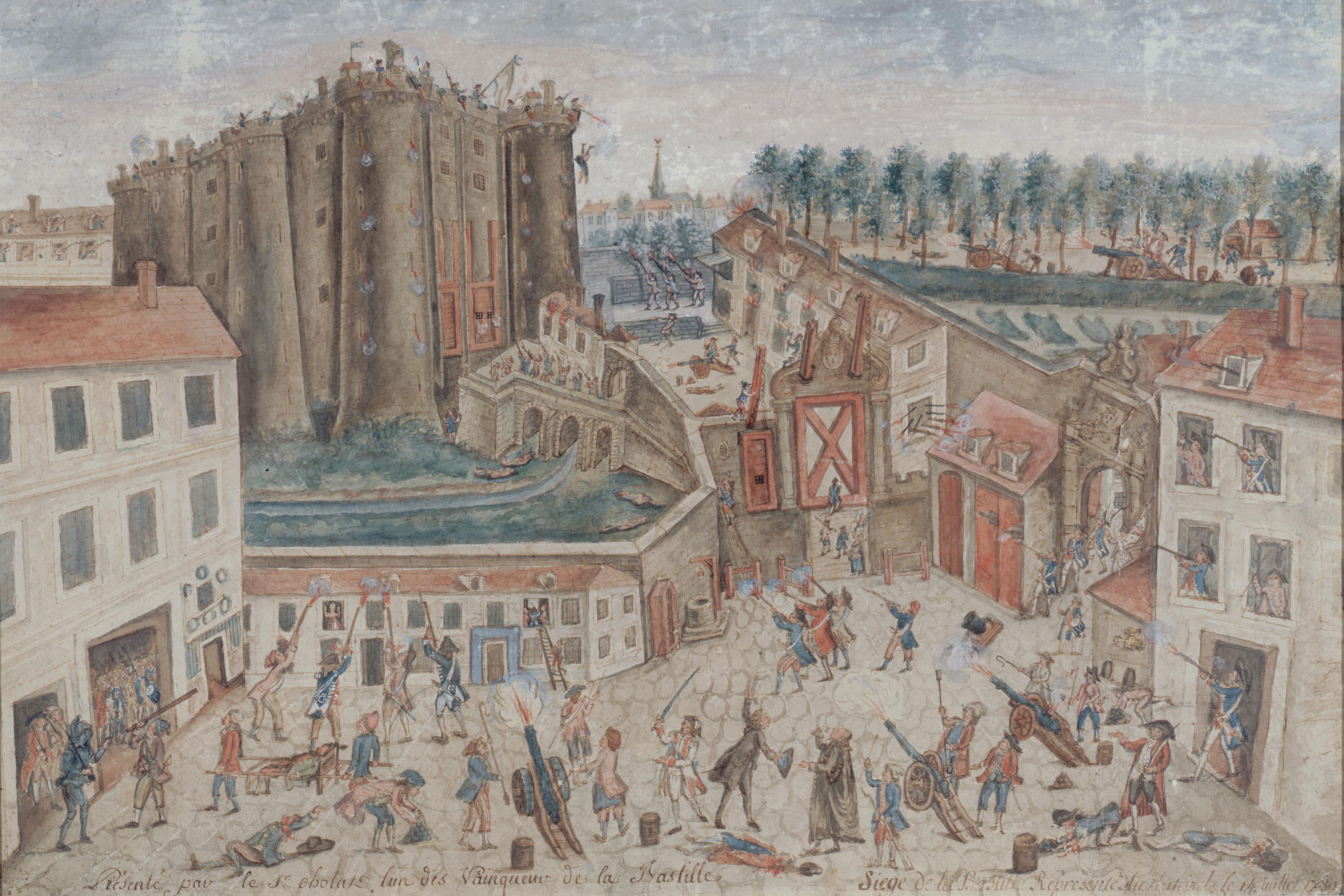
Painting of the Siege of the Bastille depicting a chaotic scene with armed people, buildings and a fortress under attack.

Freedom needs friction: lessons in choice from French history

The French Revolution set freedom on a collision course with choice, showing how a break with habit can author a new self

by Larry S McGrath

Photo of an antique celestial globe with brass armillary sphere detailing constellations on a decorative background.

Recognise free will is an illusion and reap the emotional benefits

The idea that all our choices are determined by past events may seem dispiriting – but it can be emotionally liberating

by Francis Merson

Photo of a policeman helping a child on the road with spilled eggs from cartons next to a motorcycle.

How to think about ethical dilemmas

Learning about ethical theories won’t give you easy answers, but will increase your confidence in how you choose to live

by Timm Triplett

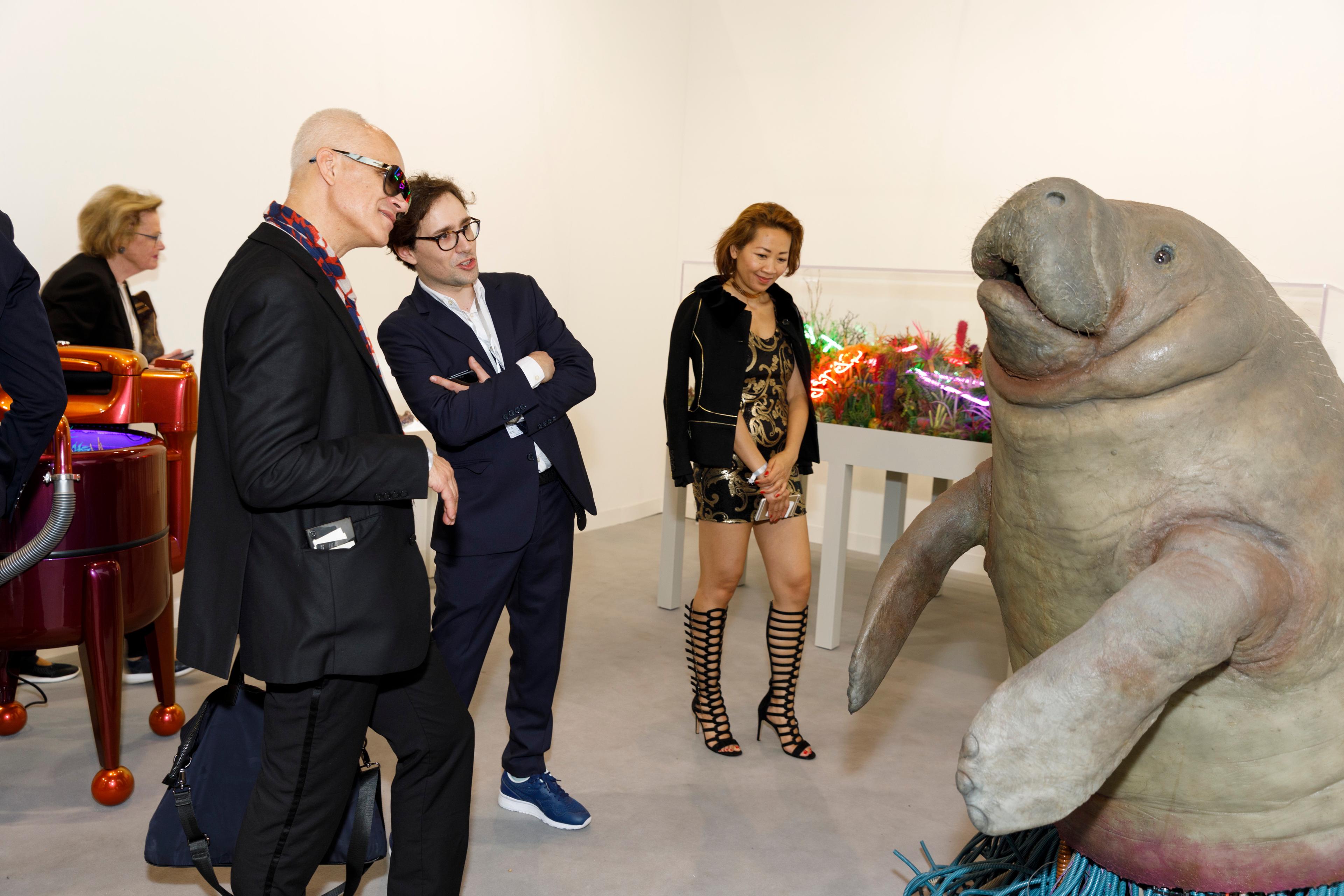
Photo of three people admiring a large manatee sculpture in an art gallery.

Dare to speak your mind and together we flourish

Reason emerges through dialogue with others. To truly flourish, stop self-censoring and risk your status to speak your mind

by Hrishikesh Joshi