How to maintain your composure

10 MINUTES

Why you lose your cool during arguments, and how to reclaim it

There are deeply ingrained physiological reasons why people tend not to be their best selves during arguments. When we detect conflict, our nervous systems trigger an instant reaction – a heightened state of anxiety, diminished impulse control, and a tightening of the neck and shoulders – making no distinction between social and genuine danger. Worse still, we tend to mirror the emotions of those we are engaging with, often amplifying anger and aggression.

However, as the US psychiatrist and educator Tracey Marks explains in this video, there are research-backed methods for disrupting these automatic responses and breaking the cycle. These begin with understanding how such reactions operate. Through her presentation, Marks deftly connects the physiological and the psychological, creating an actionable framework for having more productive disagreements.
Explore more

Photo of a rural road with a steep hill warning sign marked 1:4 surrounded by green landscape under a blue sky.

How to take the high road

When someone provokes you, it’s easy to react without thinking. Learn to slow down and respond in ways you’ll be proud of

by Alissa Hebbeln & Russell Kolts

Photo of two women and a man arguing animatedly in a crowded outdoor setting with trees in the background.

Argue better by signalling your receptiveness with these words

All too often disagreements spiral into conflict. Prevent that happening by signalling your receptiveness with these words

by Michael Yeomans

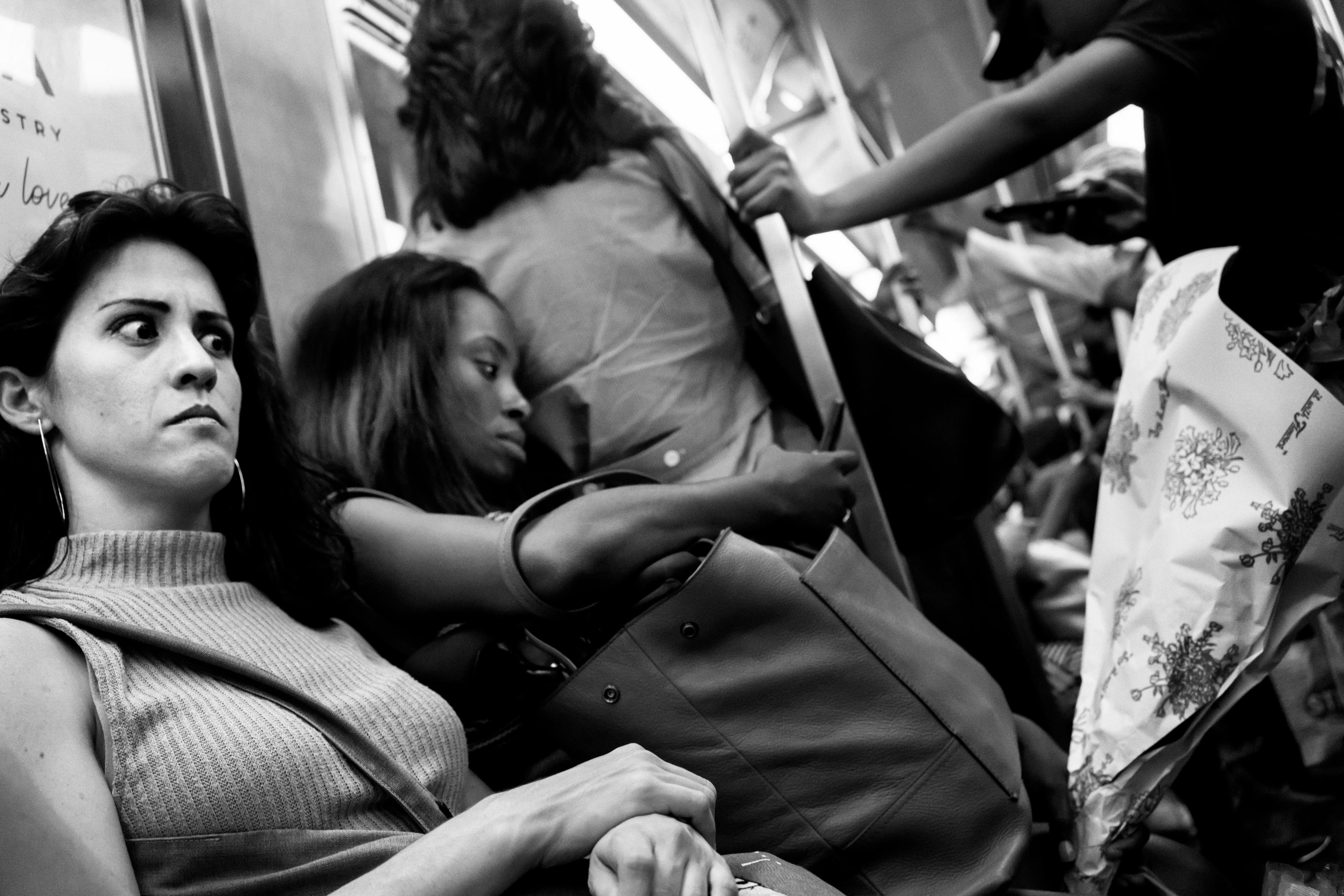
Black and white photo of passengers seated and standing inside a crowded train carriage, some holding bags and flowers; a woman seated in the foreground has an annoyed look on her face.

How to tolerate annoying things

Hassles are part of life, but the way we react often makes them worse. ACT skills can help you handle them with greater ease

by Patricia E Zurita Ona

Abstract painting with geometric shapes in red, pink and brown tones featuring bold black lines and accents.

How to be angry

Anger is a fuel that’s dangerous when out of control. But managed well, it can energise you to identify and confront problems

by Ryan Martin

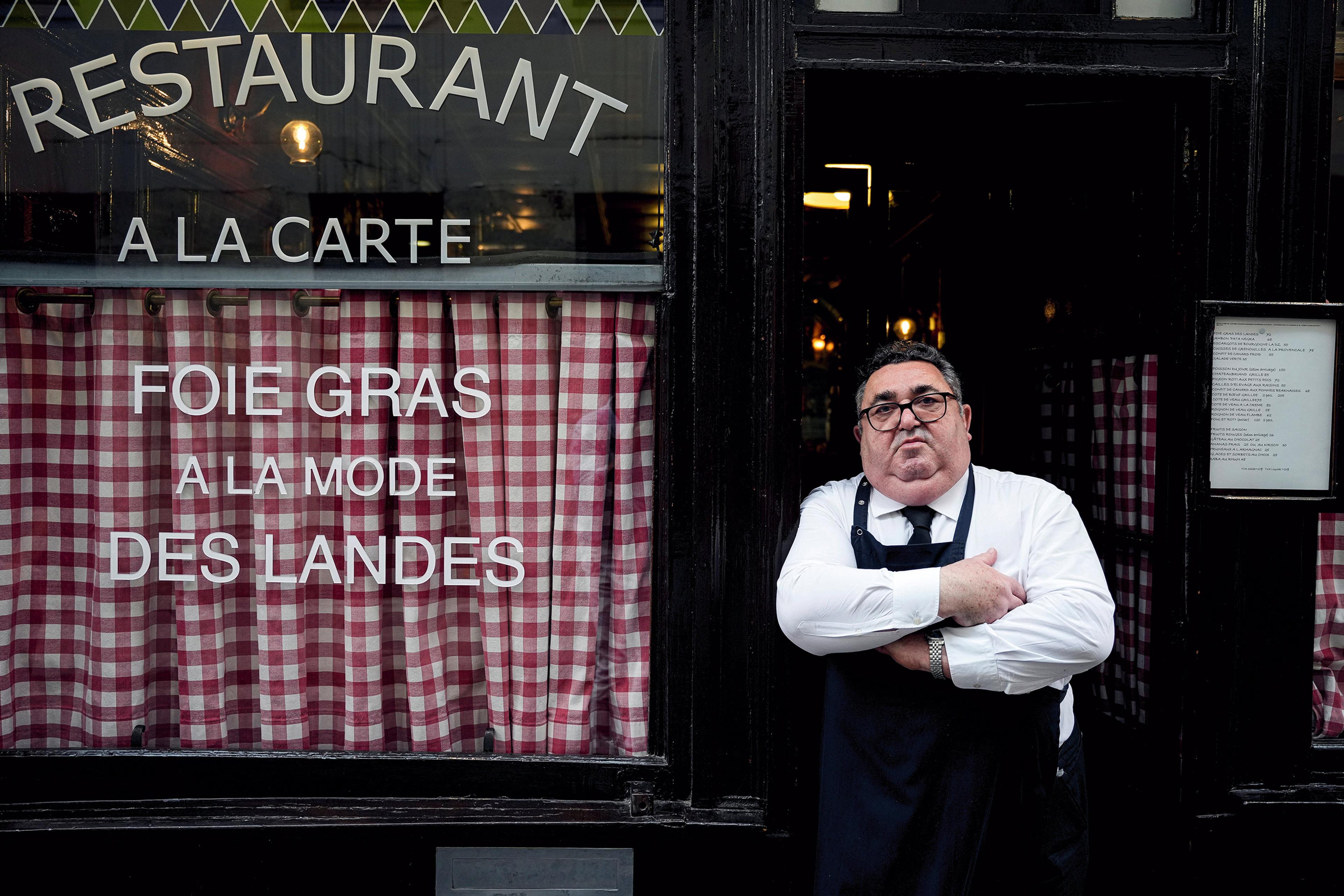
A man with crossed arms and a serious expression wearing an apron stands in the doorway of a restaurant with checkered curtains and menu on display.

What to do when someone goes on the defensive

Our natural impulses often make matters worse. Here’s an approach that works, grounded in conflict resolution and psychology

by Adar Cohen & Nick Wignall

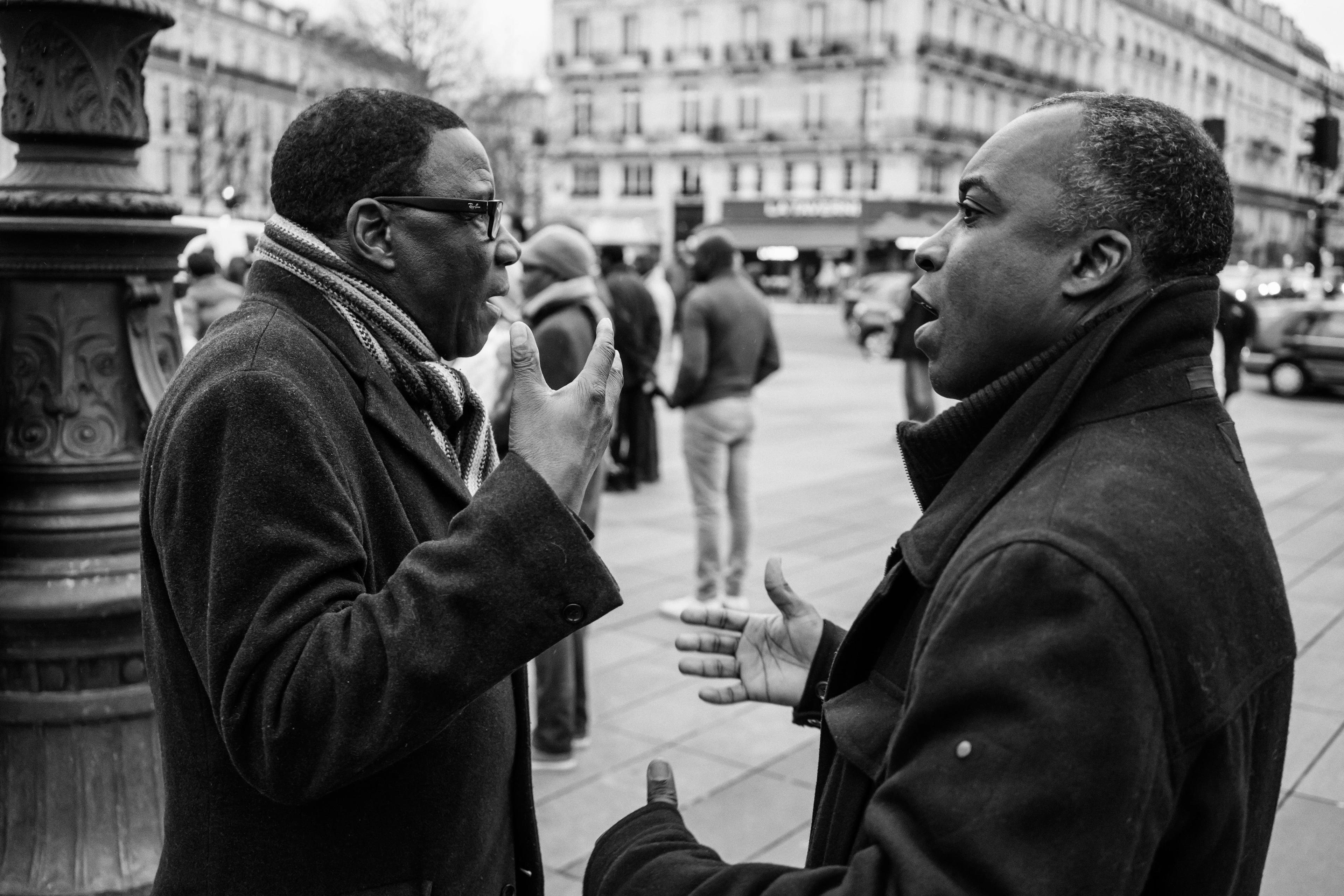
Black and white photo of two men in coats talking on a city street with blurred people and cars in the background.

How to have better arguments

Arguing well isn’t just about winning. A philosophical approach will help you and the other person get much more out of it

by Scott Aikin & John Casey

Painting of serene blue waves against a pale sky. Minimalist design with soft colours and smooth textures.

To heal emotional inflammation, let distress inspire change

To tend to the wound of emotional inflammation, connect with your feelings, look to the sky, then give back to the world

by Stacey Colino & Lise Van Susteren

Photo of a patterned rug scattered with toys, Lego bricks, banana peel and snacks.

How to stop yelling at your kids

You can’t control your child’s emotions, but by questioning your assumptions and expectations you can become a calmer parent

by Bonnie Harris