is a choreographer, lecturer and historian. She is the co-author of the textbook Dance Appreciation (2021) and is currently working on the second edition. She manages the Today in Dance project, and has honoured late dance professionals annually since 2020 with Dancers Lost. She lives in Olympia, Washington, US.
is a choreographer, lecturer and historian. She is the co-author of the textbook Dance Appreciation (2021) and is currently working on the second edition. She manages the Today in Dance project, and has honoured late dance professionals annually since 2020 with Dancers Lost. She lives in Olympia, Washington, US.
Everyone has a body, and all bodies can dance. Most of us have an urge to move, too. Are you curious about learning to dance, but find it a daunting prospect? Or perhaps you’ve danced in the past and want to learn more, but you’re not sure where to start or whether you have what it takes. Whatever the case is for you, I’m here to help you explore your next steps.
If you’re uncertain or apprehensive about learning dance, take a note from my college students. Every semester, in my lecture course on dance appreciation, I assign them to choose a type of dance to try, and then write an essay about the experience. The assignment usually elicits some groans at first, as most of them do not consider themselves dancers. But when my students go through with it, the results are inspiring. They all find – or rediscover – a personal connection with dance. Some students try out unfamiliar dance forms. Others revisit a technique they used to love. Some reconnect with their cultural heritage, while others join the newest social media dance craze. All of them make connections with other people, whether it’s fellow students, family members, a dance teacher or a welcoming dance community.
Why learn dance?
Dance moves the body, engrosses the mind, and stirs the spirit in a way that few other pursuits can. You can learn dance at any age and any ability level, even if you’ve never seen yourself as a dancer before. You can dance on your own, with a partner or as part of a larger group. It is a useful life skill and a potentially lifelong activity.
The benefits of dance are many, though certain ones might appeal to you in particular. As a form of exercise, dance works the cardiovascular system, strengthens muscles and encourages flexibility. It offers a vehicle for expressing yourself, individually or along with others. And for many, it’s a way of making art through movement. Whether you do it in public or at home, when you dance, you join a larger community of people who enjoy moving for the sake of moving.
That urge to move has propelled me through life. I started as a baby ballerina and transitioned to jazz dance, and later to contemporary dance forms, which I’ve practised throughout my career. I directed my own company for about 15 years, producing concerts and performing at festivals. All the while, for fun, I’d go salsa and swing dancing with my friends, loving how moving together created a bond through shared experience. Dancing has helped me know myself better and allowed me to express non-verbal feelings, ideas, and images to others. I think the choreographer Pina Bausch said it best: ‘I loved to dance because I was scared to speak. When I was moving, I could feel.’ My mission is to help dance learners have such experiences themselves.
There are so many entry points into the world of dance. In the rest of this Guide, I’ll offer suggestions on how to get started, whether you want to take it slow and begin learning at home, or jump right in and attend a class. Ultimately, how far you go as a student of dance will depend on what you want out of it. While it can take years of solid training to become a skilled dancer, it often takes only an hour or two to learn enough foundational movement in a style or technique to really enjoy yourself while dancing. It’s up to you how you wish to proceed after that. For now, just allow yourself to be curious about moving in new ways, and let’s explore the appeal that dancing might have for you.
Key points
Dance is for everyone. You can learn at any age or ability level, with benefits that range from improved fitness to a newfound sense of community.
Think about why you want to dance. Listing goals or reasons that come to mind can help you figure out what sort of dance you’d like to learn.
Don’t let common concerns get in your way. You’re not alone: many new dancers feel self-doubt and apprehension at first.
Consider different styles and see what speaks to you. From studio techniques to folk dance, scan the options for what connects with your particular interests.
Find places to learn. Look up nearby studios or other venues that offer adult instruction, or start with online video classes if that is more comfortable.
Get a feel for dance instruction and seek a good fit. Feel free to sample different teachers and classes until you find a space that is supportive and fun.
What to do
Think about why you want to dance
A helpful first step is to explore why you might want to pursue dancing and what you find most interesting about dance. Make a list of any goals that come to mind, whether they are general or specific. At this point, what would you like to be able to do or get out of learning to dance? There are many possible goals here. For example, you might want to:
learn some steps to help you prepare for an event or celebration that will include dance;
revisit a childhood dream of dancing;
meet new people through dance;
dance for the health benefits;
learn a traditional dance style as a way to reconnect with your culture (or to learn about a different culture);
learn to perform for others;
try something new and have fun.
Your goals can change over time, of course, but reflecting on this now can help point you in the right direction when seeking out dance opportunities, and it might suggest directions you hadn’t yet considered.
Don’t let common concerns get in your way
Are you shy about trying something new in front of others? Concerned about your body’s ability to dance? Are you anxious about stepping out of your comfort zone, or afraid of embarrassment? These are perfectly reasonable considerations, and there are ways to move forward with learning dance in spite of any reservations you might have. Here are a few things you should know:
Beware an ‘all or nothing’ mentality. Many learners have wondered aloud to me why they should be taking dance classes if they don’t plan to become a professional dancer. Often, I’ll make a comparison to team sports like soccer. Often, parents sign up their children for sports teams at a young age, and many adults play recreationally, without any expectation that they will go pro – the point is to enjoy being part of something, to move your body and make friends. The same can be said for dance. Dance training is worth the time you put into it, and you don’t need lofty goals to make progress or gain a sense of belonging.
Many newcomers feel a sense of shyness and self-doubt. If you seek out a beginner’s dance class, you’ll be in the same situation as others. Learning something new is always a challenge, and feeling like you are in it together can be empowering. Often, beginners bond because of the experiences they have as a cohort. Keeping in mind that dance is for everyone can help as you take steps outside of your comfort zone. Of course, our comfort zones exist for a reason – they protect us from all sorts of harm. But refusing to stretch the boundaries can prevent us from having new and even wonderful experiences.
All bodies are different, yet all bodies can dance. You enter a dance class with a set of movement experiences, and they might not be the ones taught in the class. You might also enter the dance space with a disability, but if so, that shouldn’t prevent you from participating (see the ‘Learn More’ section below); in fact, you may be able to do things other dancers cannot. Whatever concerns you might have about your body or ability, it may help to deliberately adopt a kind inner monologue when you begin – noting what feels good, what is challenging for you, and what you need to do to improve.
Consider different styles and see what speaks to you
Having reflected on your reasons for wanting to dance, keep them in mind as you consider what styles you might like to try. The broad array of dance styles can seem overwhelming at first. Below is a list of some options you might consider, divided into a few broad (and partial) categories. Each type of dance is paired with one or more of the goals mentioned above, which could help you narrow down your search. After that, we’ll talk about how to find instruction.
Popular and social dances
These can be thought of as two sides of the same coin: popular dances represent what is especially popular right now,and social dances are once-popular dances that have stuck around. While these dances are commonly learned and practised in an informal manner, among family or friends, you can also take formal lessons, or join ballroom or folk dance groups that teach dances along with their cultural context. One of these styles would be a great place to start if you want to meet new people, connect with a specific culture through dance, or prepare for social events that include partner dancing.
Swing dance has become a catch-all term for social dances created between the 1920s and ’40s stemming from the Lindy Hop, originated by Black dancers in Harlem. Swing dance typically involves a partner, and it might be particularly appealing if you enjoy music, dress and rhythms with an early 20th-century tinge.
Line dance might be a good fit if you’re eager to connect with a bunch of fellow dancers (in contrast to partnered or solo dancing). Particular styles of line dancing are often favoured in country-and-western dance communities and in Black and Latinx dance communities. In any case, you’ll learn a repeatable series of steps alongside others, having fun while moving together in a unified group.
Salsa dance is a combination of mid-20th-century dance styles from the Caribbean and Central and South America. These are partner dances, often learned at family parties, but you can also learn them in dance clubs and classes. Salsa dance is a relatively accessible way to connect with the rich dance heritage of Latin America.
Ballroom dance is an umbrella term that encompasses dances from 16th-century Europe to the present. Once performed in the ballrooms of the upper classes, they are now taught formally in classes for anyone. They include some standards or smooth dances (eg, waltz, foxtrot and tango) and some Latin or rhythm dances (eg, cha cha, rumba and jive). These dances are typically partnered.
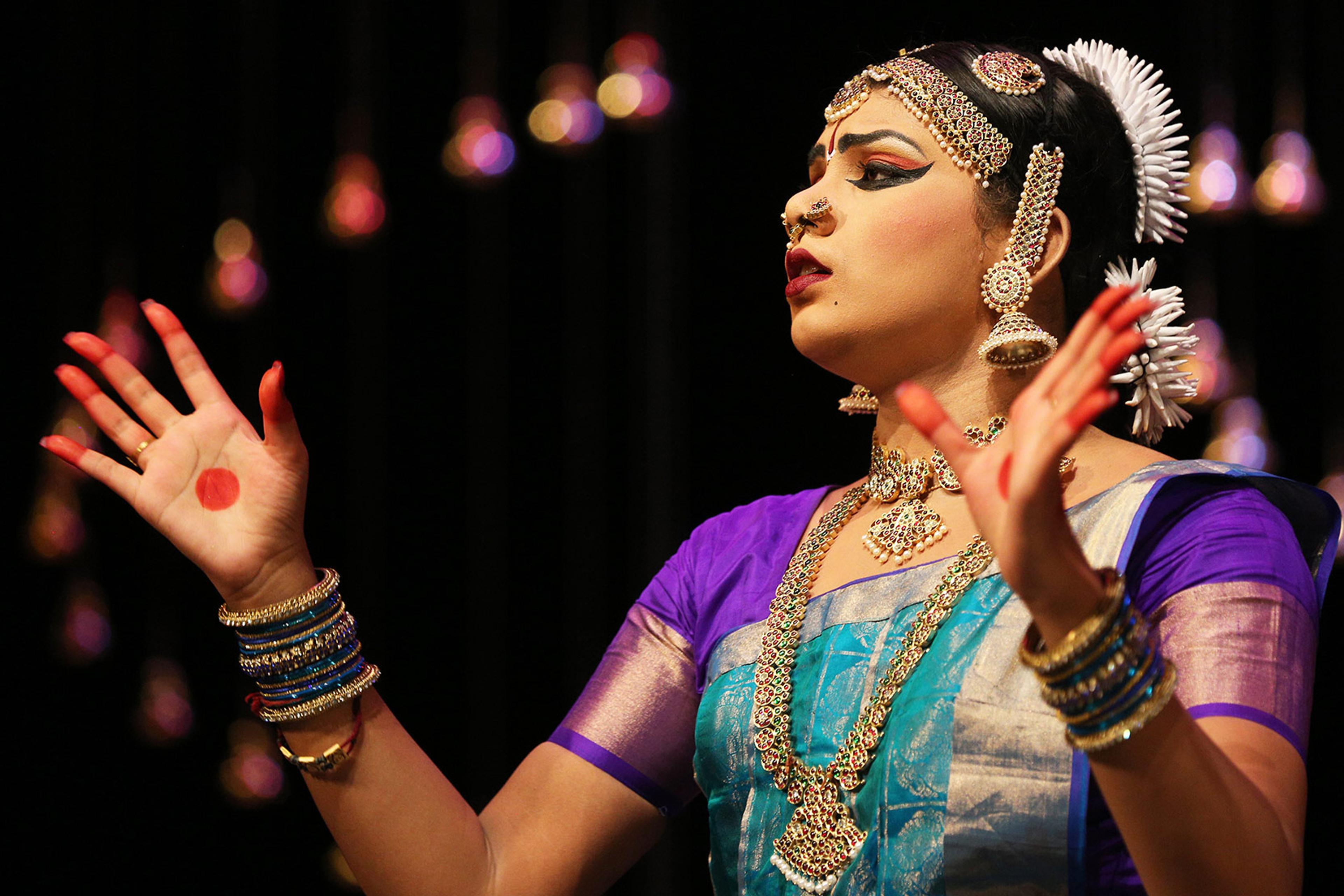
Folk and global dance is a large category of stylesthat weave together dance with a particular country’s or region’s traditional music and dress. Folk dance communities undertake the task of preserving and passing on traditional dances to future generations, often at festivals or other events. Many cities have close-knit dance communities from countries around the world, and dances such as Mexican Folklórico dance, Classical Chinese dance, Tahitian dance, and Irish dance encompass a huge variety of forms, movements and music. You don’t have to be from a particular region to enjoy learning these dances, and, along with the education you’ll receive about the culture, you might also build connections with a supportive community.
Studio-based dance techniques
Other major venues for exploring dance include dance studios and dance programmes at higher education institutions (which may offer dance experiences to non-students). These venues commonly teach codified techniques such as ballet, contemporary dance, tap, jazz and hip hop – dance forms with a written set of named steps that can be passed from teacher to student. They might be especially appealing if you’re interested in developing a dance technique that you can perform for others, or if you want to revisit a longtime dream of being a dancer.
Ballet was refined in the courts of France in the 1600s and spread all over the world. There are a number of major schools (or varieties) of ballet training, though they all adhere to the original terms for specific movements. The basic steps may take a little while to master but, with practice, ballet training can help improve your posture and strengthen the muscles in your legs and arms; as an added bonus, you get to learn a bit of French.
Contemporary/modern dance began as a rebellion against the perceived strictures of ballet. Modern dancers danced barefoot and focused more attention on the body’s core, torso flexibility and individualised expression through movement (eg, creating techniques based on the movement idiosyncrasies of one’s own body). Eventually, contemporary dance, as it is more often called now, expanded to include elements of many other dance forms. For those who enjoy improvisation and personal expression, this type of dance could be an excellent fit.
Tap is a hybrid form of dance created in the United States from the meeting and melding of dance traditions from Ireland and the continent of Africa. It focuses on rhythm and the sounds you can make with your feet, with or without accompanying music. Tap is an ageless technique, with many dancers pursuing it far into their golden years.
Jazz dance has been around since the early 20th century, when it was more closely linked with jazz music. Later, it became more associated with new popular music and dance styles. The movement focuses on syncopation, isolated movements of body parts, and a presentational style that often immediately connects with audiences.
Hip-hop dance combines elements of break dance, funk dance, social dances and other forms. It is one aspect of a vibrant hip-hop culture that includes visual art, storytelling, music and history, and can help dancers celebrate both movement for its own sake and movement with a social purpose.
Exercise-oriented dance
Since the 1970s, fitness-focused types of dance have been practised by people all over the world, going back to Jazzercise, the first intentionally designed exercise programme to include dance concepts and movement. Unlike dance technique classes, which have stops and starts for teaching and learning, dance exercise classes maintain a consistent level of cardio flow throughout the class while simultaneously focusing on strength work, flexibility and balance. These classes may also appeal if you’re looking to meet new people through dance or simply want to try something new and fun.
Other popular exercise dance styles include Zumba, which features easy-to-follow choreography and encourages camaraderie among dancers; Barre technique, which is based on ballet principles; and LaBlast, based on aspects of ballroom dance. All of these forms were created by dancers who wanted to share their love of dance and exercise science with people looking for both a dance experience and a workout.
Next steps
Once you’ve identified a style of dance that interests you, you might want to jump right in and sign up for a class; if so, that’s great. Alternatively, you might want to take an ‘online tour’ first. A quick search will turn up more about the characteristics and history of these and other styles. You’ll find video demonstrations, too, though be mindful that YouTube demos tend to feature advanced-level dancers. Don’t be intimidated. Instead, think of the performances you see as illuminating possibilities and giving you a taste of what makes the style distinct.
Find places to learn
With a better sense of what you might like to learn (even if you’re not sure yet), you can start looking into your options. Are you open to trying out an in-person class? If you search the term ‘dance’ or a specific style you’re interested in, plus the name of your community, you will likely find nearby studios, dance clubs, dance venues, dance organisations, or events. If you have questions about whether a local studio or organisation offers the sort of class you’d be interested in, give them a call. You could also check out a local college or university to see if they have a dance programme and offer continuing-education classes. Again, these institutions can be excellent resources for adult dance learners, and often they are connected to global dance communities in the area.
If you’re interested in a class, it’s worth looking into pricing ahead of time. Many places that offer ongoing classes have two price structures: ‘drop in’ class rates, where you pay per class you attend; and class packages, bundled by the month or by the quarter, often with a small discount. Since regular attendance is critical for retention and improvement – usually one to two classes per week for adults – purchasing bundled classes might lead to cost savings in the long run.
If you already know someone who dances, talk to them. They will probably be happy to tell you about their favourite local teachers or types of dance, and they might invite you to join in or watch a class or practice. Indeed, there’s much to be learned just by watching classes, and you can get a feel for the atmosphere before you make a commitment.
Another pathway into dance is to start by learning at home. Following along with online classes – many of which are available for free through YouTube or other video-sharing sites – can help you get more acquainted with a dance style, build confidence in your ability, and inspire you to take your dancing public. (Or, you might wish to remain an at-home dancer, and that’s fine too.) The ease of access and the ability to go at your own pace in virtual classes are often attractive for people with busy schedules and limited budgets.
One thing to keep in mind is that, in an online class, there’s typically no real-time feedback from an instructor, which is among the major benefits of taking a class in person. If you are looking for a virtual experience with the possibility of live feedback, you might want to consider subscription services from large online studios such as Pineapple Dance Studios, Steezy and CLI Studios.
Get a feel for dance instruction and seek a good fit
Trying out dance lessons is a bit like interviewing a candidate for a job. Everyone wants a good fit and, in this case, the way to find that is to take a class and evaluate it for yourself. If it clicks for you, then you can enjoy the classes and the community immediately. If the fit isn’t quite right, that’s not a reflection of whether you should be dancing or not. It’s a matter of finding the best class for you and your goals. So try to be open to sampling different classes and teachers until you feel you have found a technique you like and a teacher who inspires and supports you.
A little preparation can increase the chances that your first classes will go smoothly. Make sure you have appropriate attire and shoes, particularly if you are taking a class in person. Take a look at the studio’s or institution’s website, or contact them to find out what’s expected and what items are good to have. Most studios caution dancers to pull back long hair and leave jewellery at home to avoid mishaps. Usually, dance teachers suggest wearing fitted garments that allow for movement, and they will be able to recommend footwear and any other gear. You can also bring a roomy bag to hold a small towel, a water bottle, a cover-up garment or change of clothes, and your outside shoes. (Most studios ask you to take these off in the dancing spaces to protect the specialised flooring.) Once you’re in class, the teacher should share any other guidelines.
Look for a well-trained teacher. Often, you can learn about teachers’ backgrounds on a studio’s website. Ideally, your teacher will have a dance degree from a university and/or a teaching certificate, issued by either a dance organisation or another reputable entity that attests to their abilities as a teacher. If they don’t possess a degree or credentials, they should provide a list of dancers they’ve studied with, performed with or trained under in their bio, as some types of dance aren’t yet credentialed and might be taught or passed on more informally.
A good dance teacher will create a welcoming and positive experience. Unlike what you might have seen on reality shows or in the movies, good teachers do not insist on teaching only one type of ideal student, and they do not embarrass or humiliate students in class. They meet students where they are in their training, supporting each one with constructive feedback and encouragement. Good dance teachers also foster a supportive community in class, rather than competition. They demonstrate body positivity, rather than gate-keeping based on some outdated notion of the ‘right’ body. And they attend to safety and injury-prevention, providing alternative movements wherever possible.
Most of all, good teachers prioritise having fun and enjoying how you feel while you’re dancing. They motivate dancers by sharing the love of movement, and celebrate the vast range of human ability, making dance class a challenge you wish to pursue rather than a chore you force yourself to do.
If you find that your teacher is not supportive in the way you need, or you’re not having fun along with the hard work, I highly encourage you to seek out alternatives. It might take a few tries to find the teacher or the class for you, and that’s OK.
Once you’ve found a space and a teacher that suit you, keep showing up regularly and you will start to notice results. Learning new movement combinations strengthens both the body and memory skills. Repetition writes movement into ‘muscle memory’, freeing you from having to concentrate so hard on details and allowing you to explore personal expression. Regular training also improves balance and flexibility, along with confidence, and encourages bonding and community with fellow dance students. You can expect to find a lot of value in the time you spend on your training. In the process, you will be joining the larger world of dancers, professional and otherwise, who believe in the power of keeping dance in their lives.
Learn more
Dance and disability
Since dance is for everyone, having a disability doesn’t mean you can’t dance. It means that you might want to seek out teachers who specialise in meeting the needs of all dance students. This is done through what’s called adaptive dance, designed for physical, cognitive or developmental differences, or physically integrated dance, which combines dancers with and without disabilities in the same practice or performance. Since the turn of the 21st century, a significant number of opportunities have arisen for dancers with different abilities, and more teachers have received training in areas such as dance for Parkinson’s patients, wheelchair dance and dance for neurodivergent populations.
If you have a disability, consider reaching out to a dance teacher with adaptive dance certification or with experience of active inclusion of differently abled populations. For example, Boston Ballet offers an adaptive dance programme and might be a resource for finding certified teachers both in and outside the region. The Mark Morris Dance Group in Brooklyn has a Dance for Parkinson’s programme, offering live online classes and a network of affiliates in more than 400 communities globally.
There are also extremely flexible techniques – such as contact improvisation, created by the dancer Steve Paxton – that are based on what each body can do. Contact improvisation slows down partnered movement so that dancers can focus on wordlessly communicating with each other as they share each other’s weight (which might be expressed in dips, leans, lifts and rolling motions). Many disabled dancers began their dance practice through contact improvisation, and a number of communities also have regular ‘contact jams’ where people of all abilities and all experience levels dance together in an informal setting.
There are a number of performing groups featuring dancers with mixed abilities, and the work they produce is extraordinary. Some go on tour, but you can access their work through YouTube and other video-sharing sites, and through their social media accounts. Names to check out include AXIS Dance Company, Candoco, Infinity Dance Theatre, and the choreographer Heidi Latsky. More recent additions to the growing field of inclusive dance feature hip hop, flamenco and tap dance.
Links and books
My textbook, Dance Appreciation (2022), co-authored with Julie Pentz, has sections on popular techniques including ballet, contemporary dance and hip hop, plus aerial dance and global dances. It provides a solid understanding of the role of dance in our lives, behind-the-scenes exploration of dance productions, and more on how to connect with dance celebrations around the world.
Some other books worth checking out include Time and the Dancing Image (1988) by Deborah Jowitt, an overview of the development of ballet and modern dance; the bookSite Dance (2009), edited by Melanie Kloetzel and Carolyn Pavlik, a tour through the careers of choreographers who create movement work in unexpected places; and the bookDance Cultures Around the World (2024), edited by Lynn Frederiksen and Shih-Ming Li Chang, a comprehensive tour of global dances written by dance scholars from around the world.
My website includes a feature called Today in Dance: each day of the year features a profile of at least one dancer, and you can immediately dive into the world of dance history by matching yourself with one who shares your birthday. There’s also a Today in Dance podcast.
If you’d like to continue your visual exploration of dance beyond what’s available on YouTube and the like, the website Dance Filmmaking, founded by the dancer and filmmaker Nadav Heyman, is a free-to-view service that connects filmmakers with audiences and acts as a permanent repository for dance films. You could also check out the paid service Marquee TV, for short and full-length dance performances from large dance companies worldwide.
For more dance inspiration, I’ll highlight several dancers you can follow on YouTube or other social media platforms. Smac McCreanor is a frequently hilarious dance creative who produces short movement studies reacting to, among other things, animals, hydraulic press videos, and her viewers’ requests and comments. Gurdeep Pandher is an inspiring Bhangra dancer in Canada who posts joyful videos of himself dancing in the snow. Les Twins are a French hip-hop duo (Larry and Laurent Bourgeois) who perform worldwide. And Ed People is a Belgian dance video creator who encourages people from around the world to share their favourite dance move with him and learns it alongside the dancer.