Mornings begin with a collective acceleration: subway doors snap open, workers stream down sidewalks, and cyclists weave between taxis with practised impatience. Even the air feels compressed, as if the city were inhaling and exhaling in short, restless bursts.
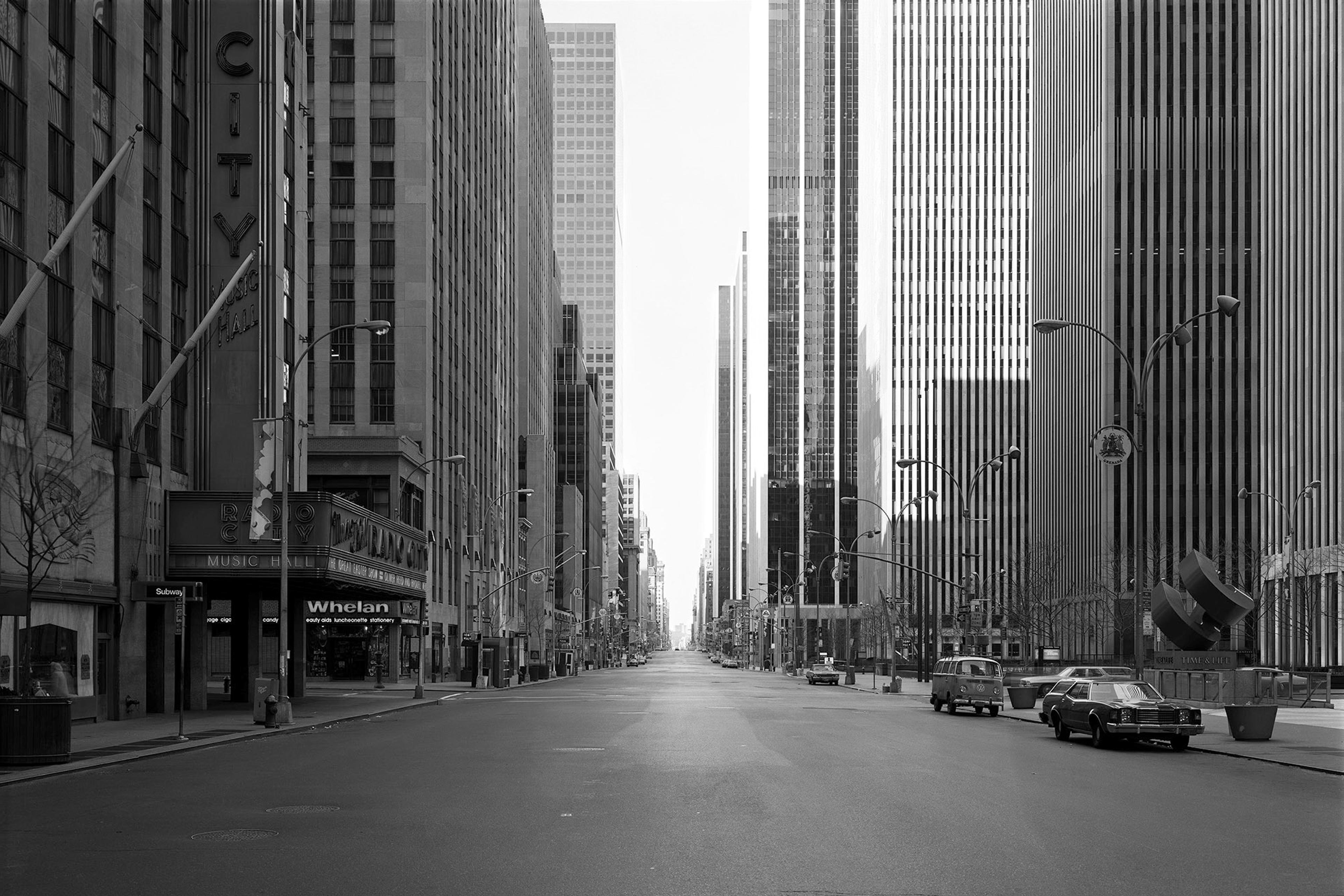
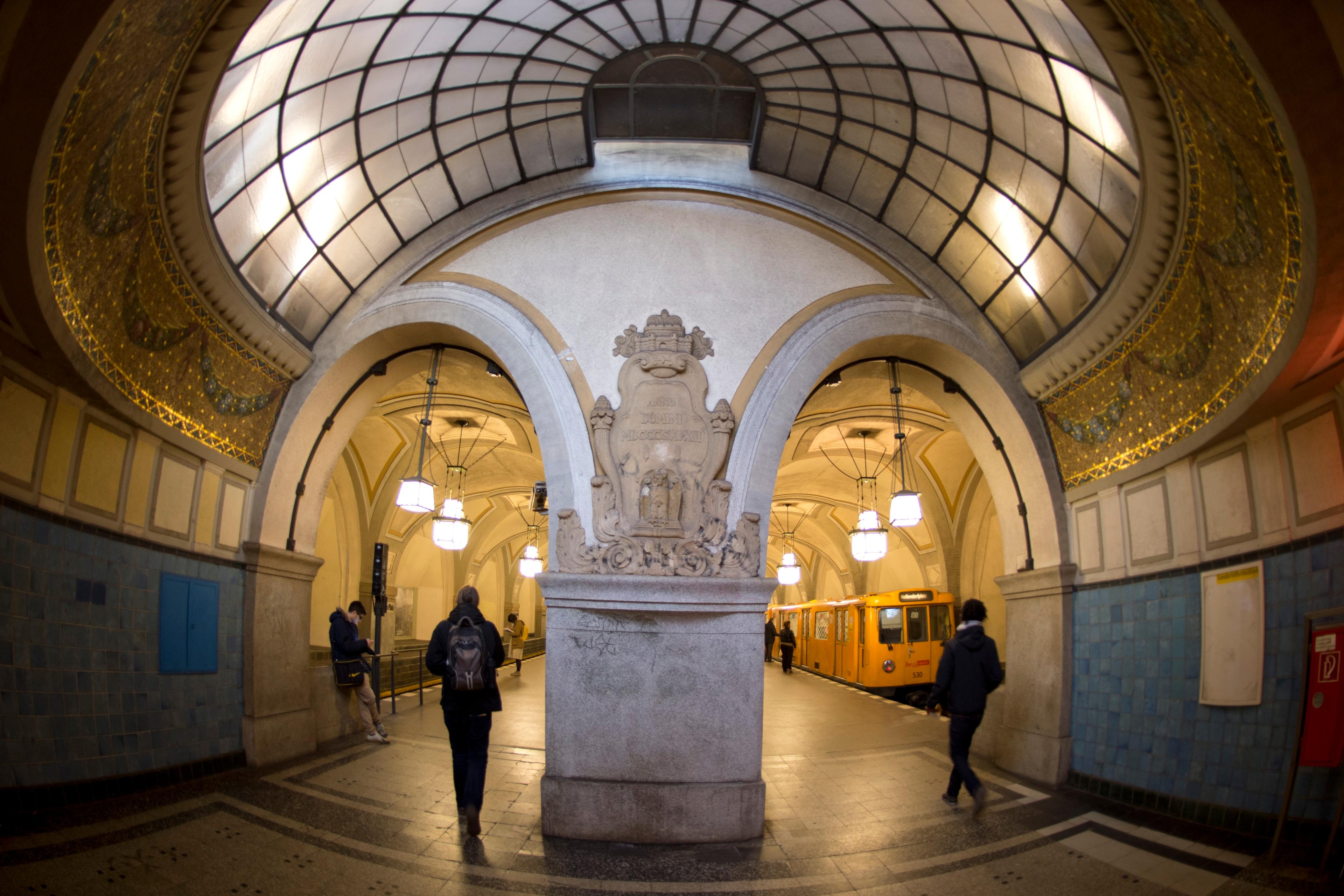
Life in New York has a rhythm that is fast, loud and unrelenting. Once you arrive, you learn to walk quickly, think quickly, even eat quickly. This constant hum of activity is thrilling, but it comes at a cost. Studies show that living in dense cities leads to elevated cortisol levels, a higher prevalence of anxiety-related disorders, and increased activity in brain regions associated with social stress and threat detection. It’s no surprise, then, that the standard prescription for relief is escape: a weekend in a rural cabin, a walk in the woods, a visit to a quiet shoreline.
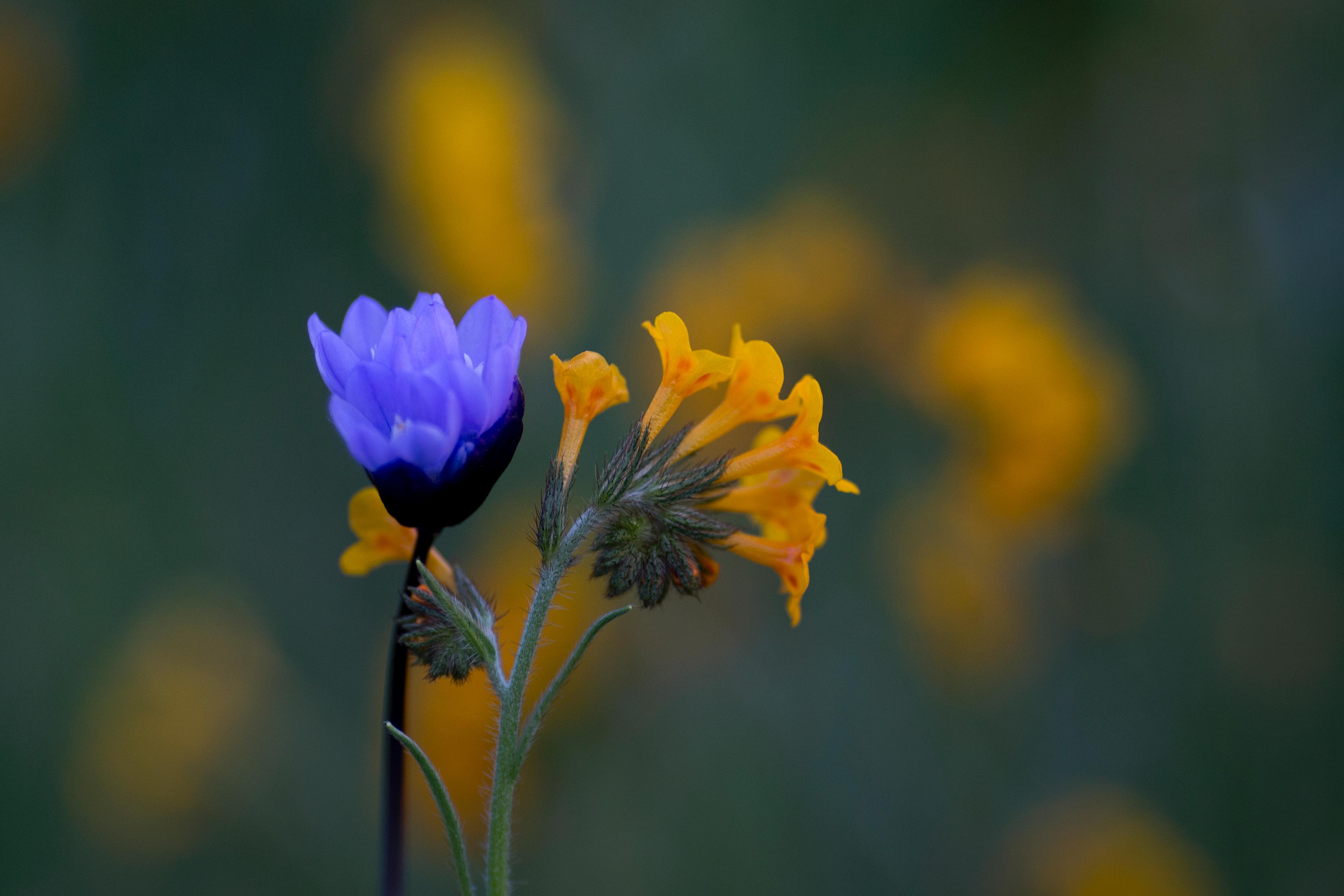
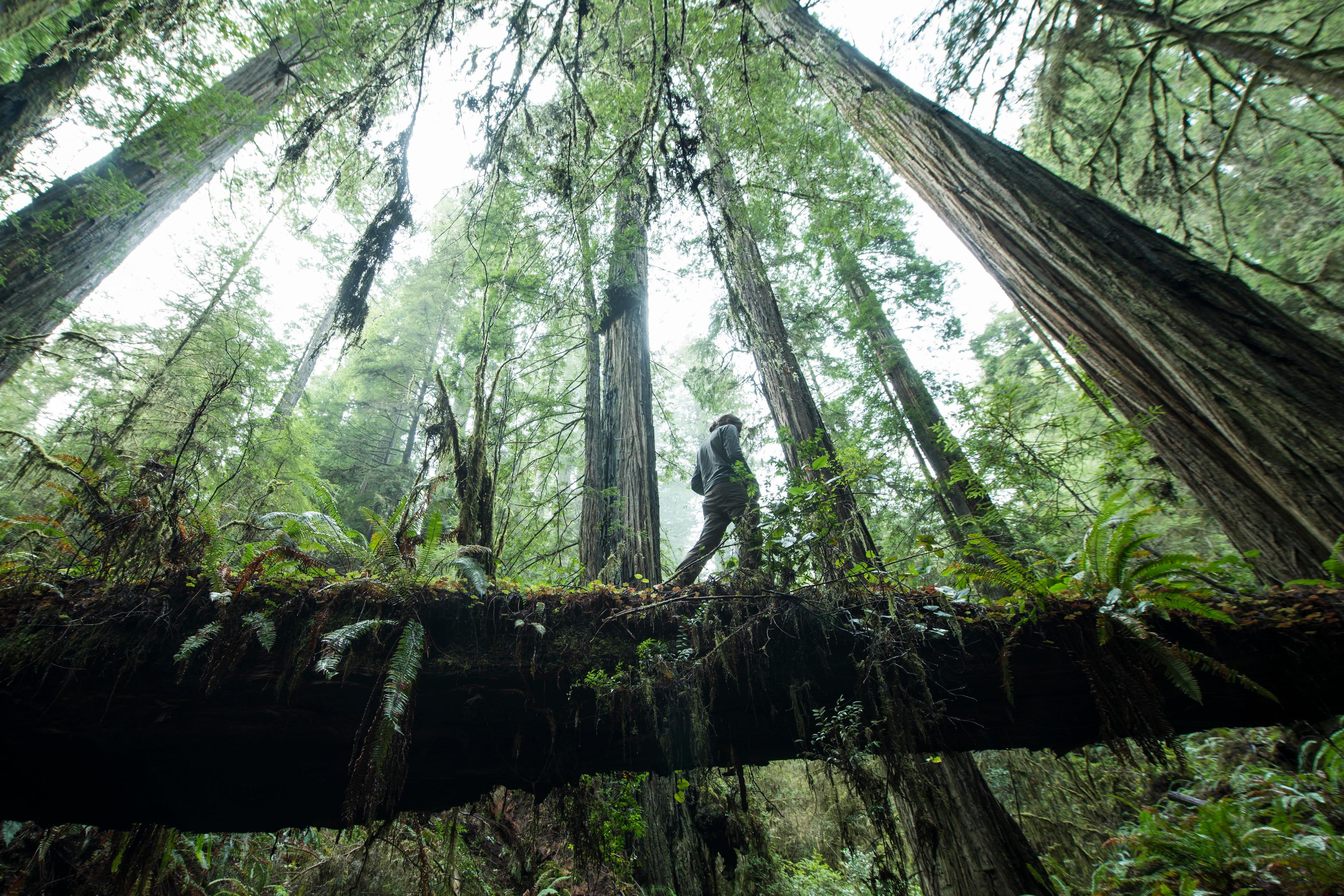
Natural environments, whether ‘green’ or ‘blue’, tend to be seen as places where we can find stillness. The same logic pervades the development of parks and waterways in cities – if we can’t get out, we’ll bring nature in. While the psychological benefits of these natural landscapes are real and well-studied, the assumption that tranquillity must exist in such places – far from buildings – is more limiting than it seems. Not everyone, nor every city, can outsource stillness to ‘green’ or ‘blue’ environments.
How might stillness be found and generated in the environments where we live our lives? How might it be designed?
A few months ago, on a grey New York morning, I found myself stepping into an art gallery in Manhattan. I had come from a subway ride full of the usual small, frantic movements: unlocking my phone repeatedly, checking emails no one expected me to answer, scrolling headlines so quickly I barely registered them. On the street, delivery bikes zigzagged between cars. Someone was shouting into a headset, and a man on the corner was advertising bus tours with the kind of enthusiasm that made me tired on his behalf. I entered David Zwirner Gallery still buzzing with urban vigilance – the sense that my attention was being tugged in several directions at once.
And then the world dissolved.
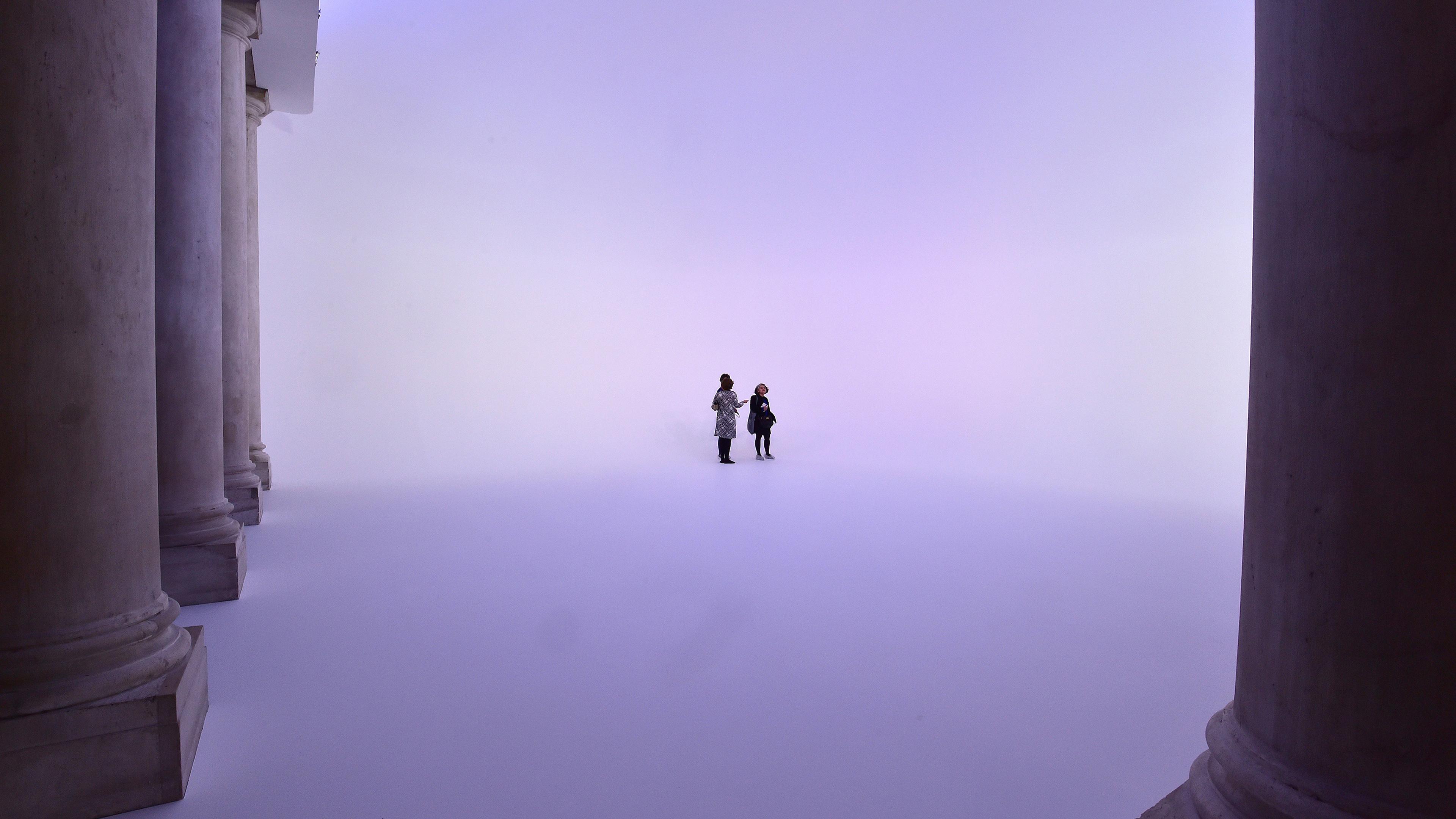
Inside, I found a new ‘light installation’ by Doug Wheeler, an American artist, now in his mid-80s. As one of the central figures of the Light and Space movement that emerged in southern California during the 1960s, Wheeler creates large-scale installations that precisely manipulate light and perception.
The artwork calibrated my senses and gave me a break from perceptual noise
His installation at David Zwirner, titled DN ND WD 180 EN - NY 24 (2024), begins with two large ‘portals’ that visitors step through into a large room without corners, objects or shadows. Inside, the walls curved away from me so subtly that my eyes couldn’t catch on anything. I watched the light shifting in slow gradients: dusky lavender turned into pearled white and then into a soft, horizon-like blue. I tried to orient myself, but my senses quietly refused, as depth, motion and time became ambiguous. Gradually, I noticed my breathing changing, and I felt a sense of stillness arrive as if it had been waiting for me behind a door. It seemed the room itself had quietly lowered the volume of my nervous system.
It’s not incidental that Wheeler’s installation had this effect. Perceptual psychologists have long studied what happens when people stare at uniform fields of colour without visual edges or contrasts. Sometimes, experiencing this kind of sensory deprivation can result in something known as the Ganzfeld effect: a response to a uniform field that causes the brain’s pattern recognition to work harder. Under these conditions, the brain begins to generate internal noise, sometimes resulting in disorientation or hallucinations. In other words, the Ganzfeld – German for ‘complete field’ – can increase cognitive activity, especially when it appears unbounded in time or space, like when pilots are flying blind through thick clouds. Wheeler’s Ganzfeld, however, has been fine-tuned to avoid such overtly disorientating effects. Subtle gradients, ambient sound and carefully modulated light give the viewer just enough perceptual structure to settle rather than spin. The stillness I felt came from the restrained way that the artwork calibrated my senses and gave me a break from perceptual noise.
Another artist who has experimented with engineered stillness and perception is James Turrell. Like Wheeler and similar pioneers of the Light and Space movement, he is interested in the ways that subtle manipulations of light can alter our perception. Turrell even has a series of works titled Ganzfeld, in which visitors enter glowing chambers that seem boundless.
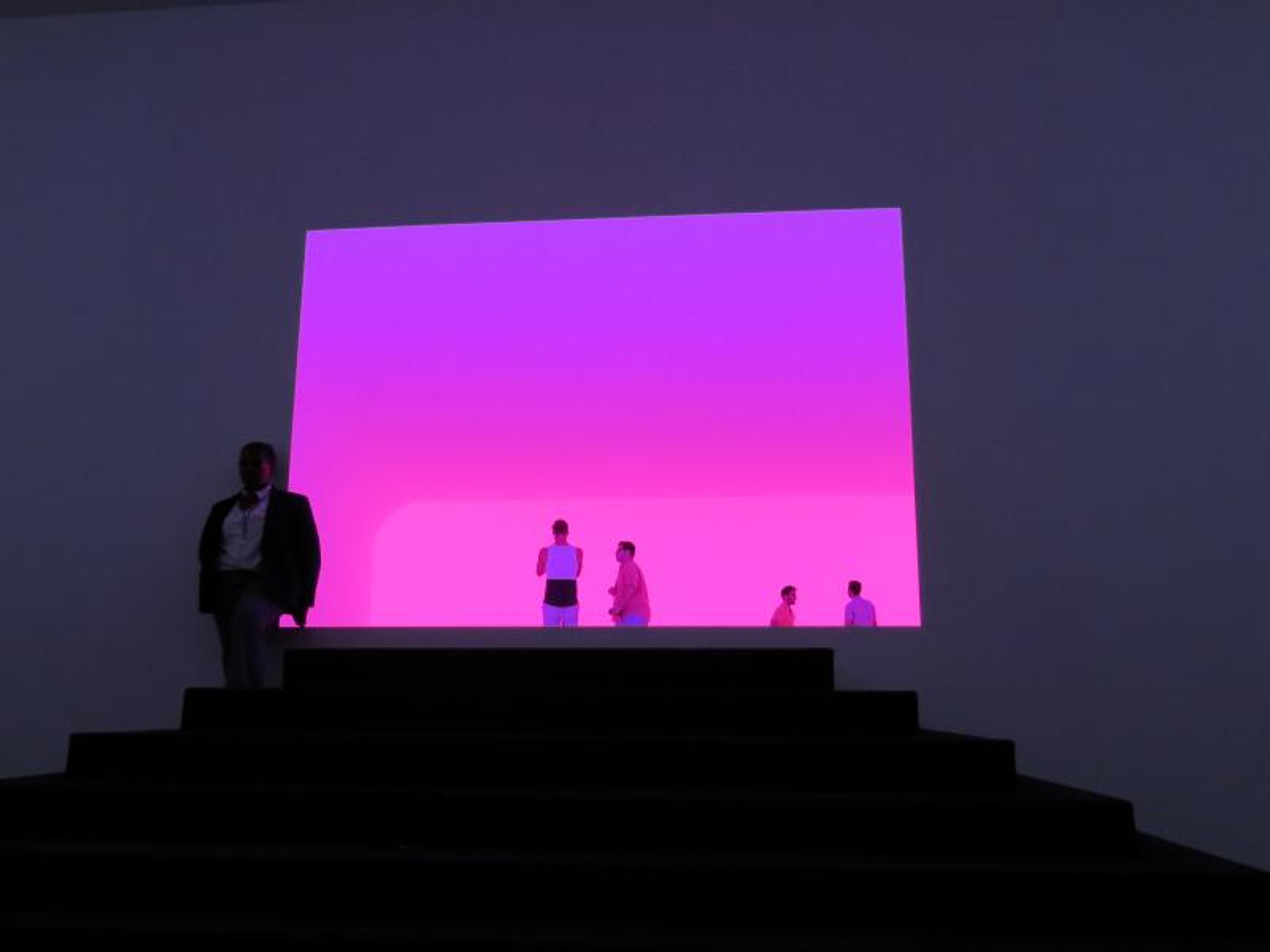
Apani (2011) from the Ganzfeld series by James Turrell. Courtesy Steven Damron /Flickr
In a different series, called Skyspaces, Turrell makes rectangular cuts in the ceilings of buildings to reveal the sky above in a way that allows viewers to forget where architecture ends and atmosphere begins. One of the first such Skyspaces, titled Meeting, is installed at New York’s Museum of Modern Art PS1, an art institution on Jackson Avenue in Queens. The first time I sat beneath that opening, the sky felt improbably close. I remember tilting my head back as I stared, patiently waiting to see if the blue field of colour above would change. Visitors routinely describe these installations as calming or regulating. They create stillness.
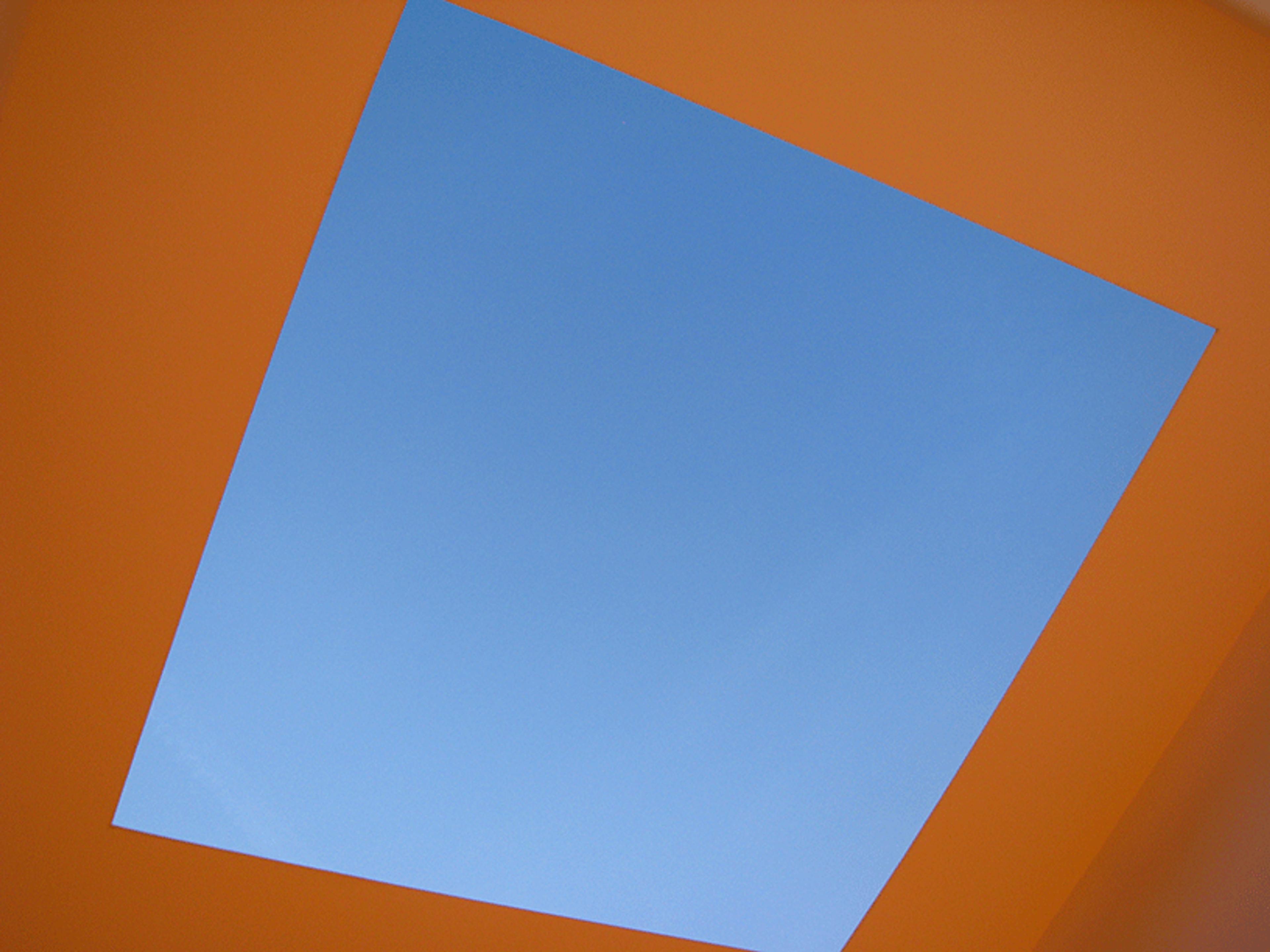
Meeting (1980-86/2016) by James Turrell at Moma. Courtesy c.monster/Flickr
For Turrell and Wheeler, the act of looking can become a kind of rest. The environmental psychologists Rachel Kaplan and Stephen Kaplan use the term ‘soft fascination’ to describe the gentle, low-effort attention that sometimes emerges when people spend time in natural environments. Staring at the movement of waves on the sea, or of leaves rustling in the wind, for example, can help us recover from fatigue by allowing us to stay focused with little cognitive effort. But Turrell and Wheeler are not mimicking nature. Instead, they have designed and constructed spaces that deliberately constrict and concentrate the visual field, opening new pathways to tranquillity.
It made me wonder: where else could I find constructed forms of stillness? What about designing stillness on a grander scale?
To find examples, I shifted my gaze to Tokyo, a city with a frenetic rhythm that rivals New York. In this sea of movement, the architect Tadao Ando’s buildings can feel like pauses. Consider Ando’s 2008 design for the Tokyo Metro at Shibuya Station. The structure is a subterranean shell: an egg-like form that wraps around the station’s atrium. His concrete dome channels air, perception and orientation in a way that feels deliberate, calm and almost otherworldly. In this station, one of the busiest in the world, Ando has turned a transit hub into a kind of temple: people come and go, but, if you pay attention, you can find moments of architectural calm built into the flow of commuters. What creates the possibility of a reduction in stress may be the openness of Ando’s design: one study has shown that closed rooms that lack windows or have reduced spatial volume tend to induce higher levels of physiological stress. What’s more, curvilinear forms – the kind that might appear when constructing a giant egg – play an additional role: people seem to prefer curved forms, especially in social spaces like hotels, libraries and cafés.
For a quieter building, try Ando’s La Collezione, a four-storey commercial building completed in Tokyo in 1989. Composed of three concrete cubes and a cylindrical form, much of the structure is sunken, half-hidden below the street. This finely calibrates the way light enters – it bounces and filters through the interior spaces.
From the perspective of environmental psychology, these are spaces of high perceptual clarity with limited stimuli, coherent forms and minimal clutter. Research has shown that such clarity reduces mental load, meaning that the mind doesn’t have to sort through endless visual information, and the nervous system can settle into a slower rhythm. In Tokyo, Ando is not trying to take you out of the city. He’s showing you how to be still within it – this is an important distinction.
The stillness he creates can feel emotionally grounding, a quiet that helps you return to yourself
In another crowded capital, Mexico City, the architect Luis Barragán offers a very different way of creating stillness that comes from colour rather than minimalism. When you walk into Casa Gilardi, one of his 1970s residential projects, a flamingo-pink exterior leads into a hallway filled with warm yellow light where a series of long vertical windows slice the sunlight into soft stripes. Further into the house is a dining room with an indoor pool, where a deep cobalt-blue wall, borrowed from the colour palette of the self-taught Mexican painter Chucho Reyes, intensifies the atmosphere. Outside, a jacaranda tree fills the courtyard and, when it blooms, its purple flowers cast gentle shadows across the space.
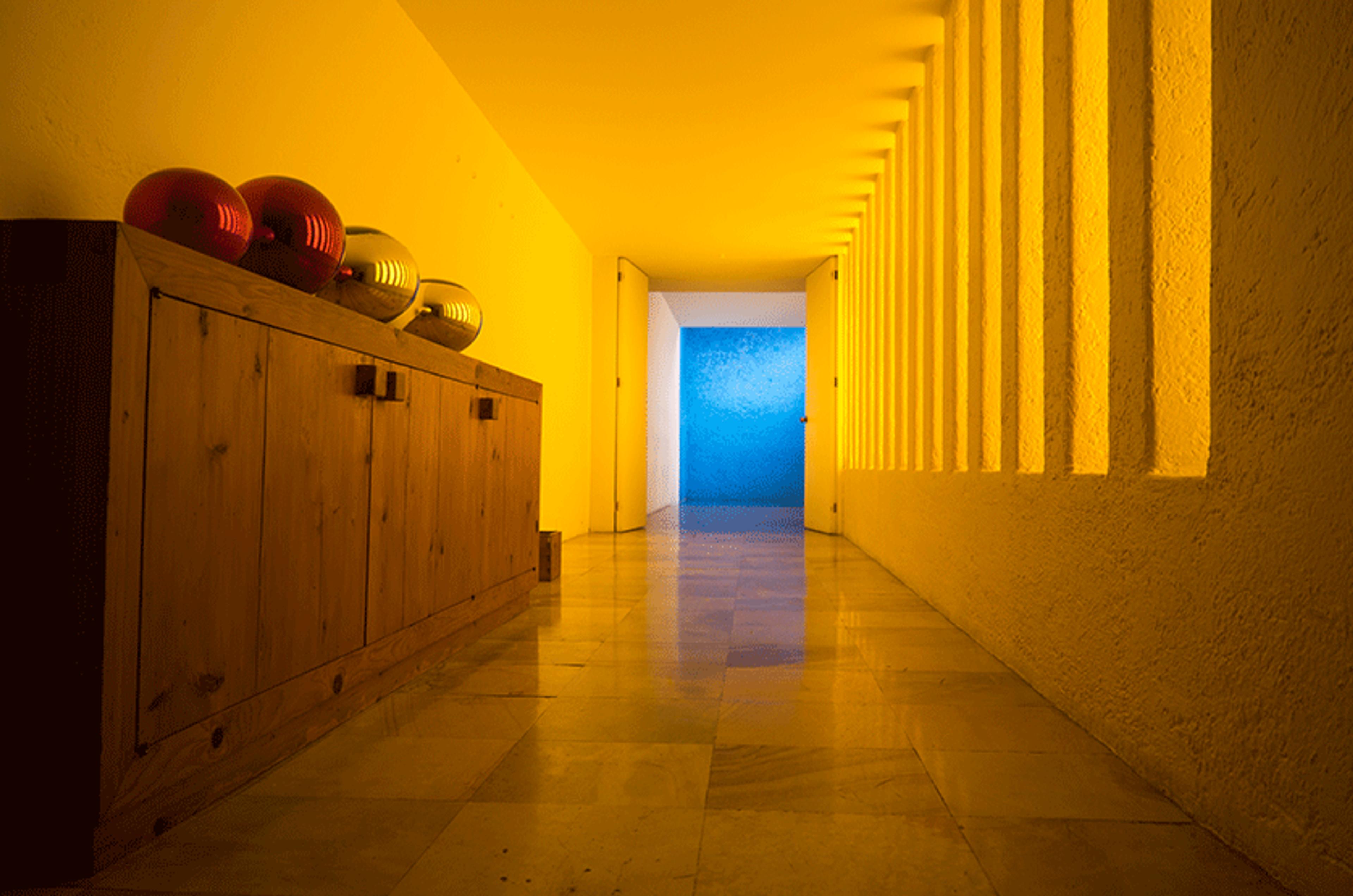
Casa Gilardi by Luis Barragan. Photo courtesy washingtonydc/Flickr
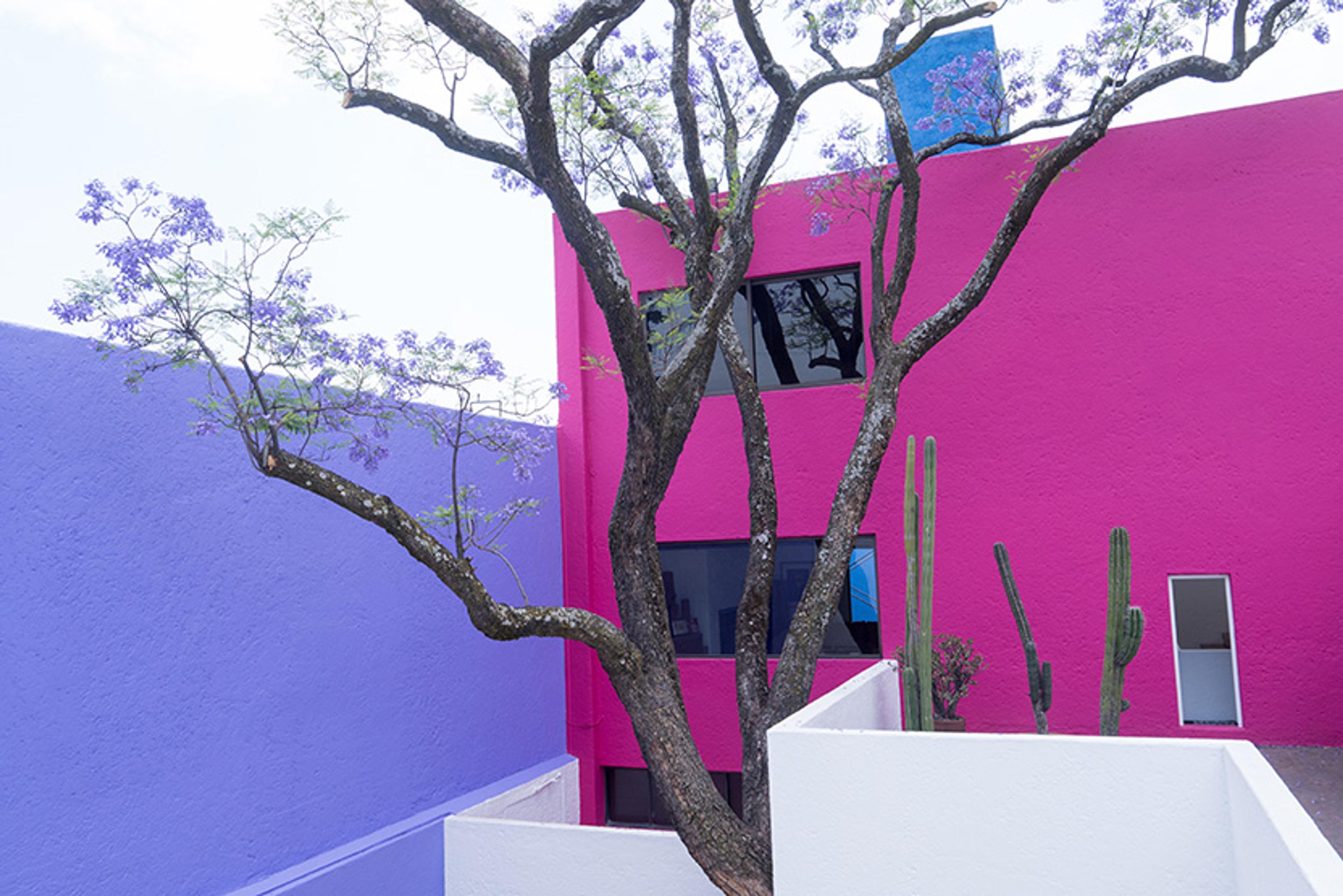
Casa Gilardi by Luis Barragan. Photo courtesy washingtonydc/Flickr
Barragán once said that ‘any work of architecture which does not express serenity is a mistake,’ but the serenity he is describing isn’t merely blank or neutral. For him, it is emotional and personal. His spaces draw on how colours affect us – how warm tones relax the body or how indirect light softens the way we see. The stillness he creates can feel emotionally grounding, a quiet that helps you return to yourself.
Barragán’s use of colour produces atmospheres that seem to slow perception, encouraging visitors to linger rather than transit. This quality is evident in buildings such as Casa Gilardi, where saturated surfaces can hold the viewer in place.
If you know where to look, stillness exists in cities. It’s likely that this is not a surprising idea. Most of us have found, often by accident, spaces of quiet and calm, even if we live in a congested metropolis: a sunlit corner in a high-rise office, an empty subway platform just before the morning rush, a quiet courtyard where the hum of traffic fades into distant birdsong. What the examples of Wheeler, Turrell, Ando and Barragán show, however, is that stillness can be carefully designed and constructed. The question, then, is not whether urban stillness exists. It’s: why do we so rarely consider ways of intentionally constructing calm?
Stillness doesn’t need to be geographically distant – a forest, a coastline. It can also be built right here, in the chaos. The kind of rest generated by certain artworks and buildings can become its own form of psychological rest that doesn’t replicate nature but complements it. And in cities where escape is not always possible, this kind of calm becomes especially important.
The trick is finding and constructing spaces that challenge our habitual ways of perceiving by stripping away visual noise, or bending time, or inviting us into a conversation with light. Here, we can learn something that meditation in a forest cannot teach: how to be still inside the constructed world we actually inhabit. We can learn how to locate calm in a place not designed for calm, and to experience presence not as an escape from urban life but as a way of moving through it. Stillness, I’ve learned, is not always elsewhere.