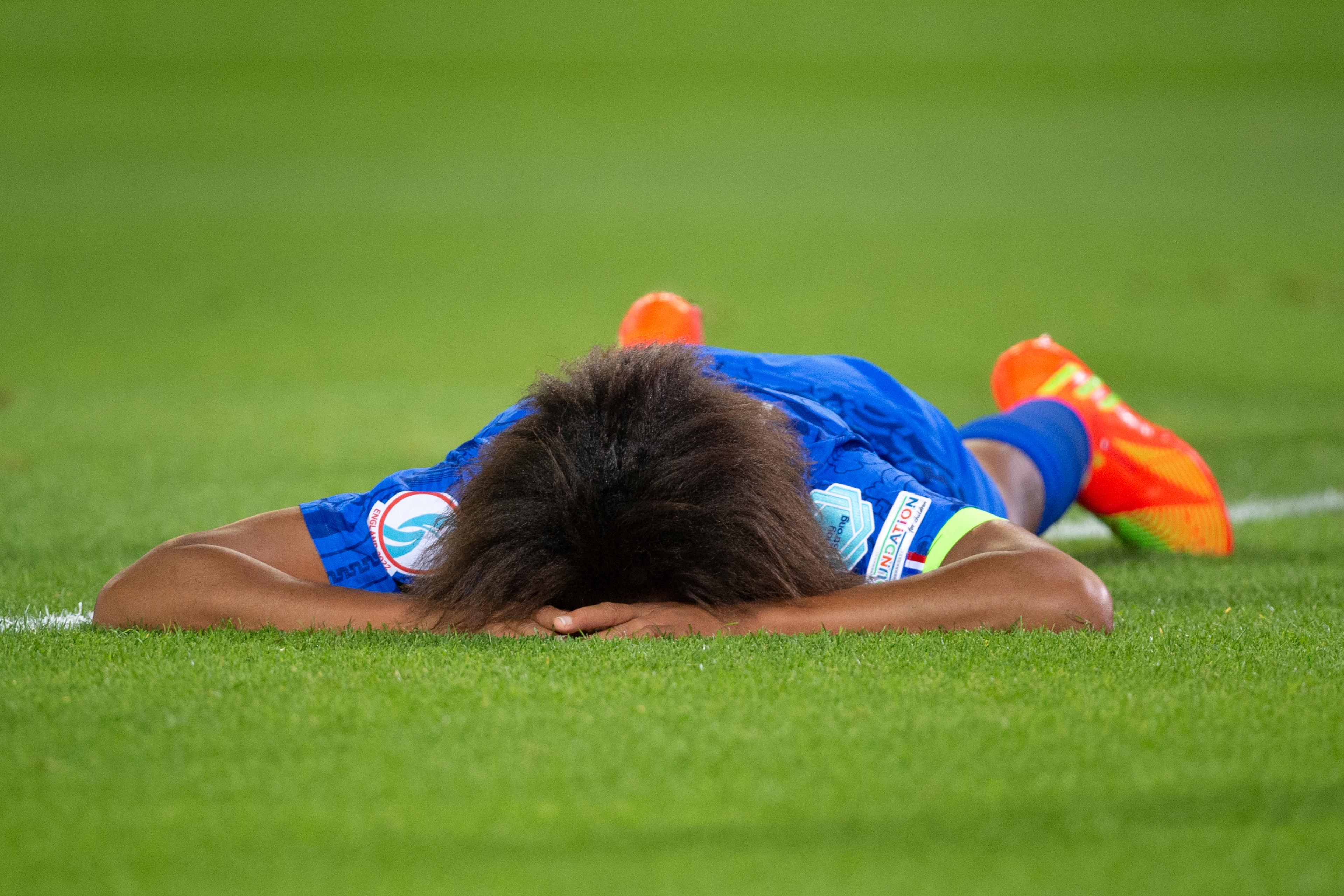
Cases of public shaming often make us familiar with the victims. Take Andy Byron and Kristin Cabot. On 16 July 2025, the two attended a Coldplay concert. Byron was Cabot’s boss. Both were married but allegedly separated. As the evening went on and the drinks flowed, they became more familiar, eventually holding one another. Then, much to their own surprise, they appeared canoodling on the enormous Jumbotron in front of thousands of fans. They were shocked and immediately tried to disentangle themselves, Byron ducking for cover. Within days, a TikTok video of the incident racked up 100 million views. And then came the tsunami of abuse, especially for Cabot. At one point, she was receiving up to 500 calls per day. It was a classic, if exceptionally vivid, case of public shaming, and everyone became familiar with the targets.
But what about the people who participate in public humiliation? The people who post and repost information about the victims, who share memes about the event, who criticise or mock the victims? Often, those people are treated as ‘a faceless, nameless, avatar-masked mob’, as the journalist Kat Rosenfield put it. They are rabid, irrational and dangerously unaccountable for their actions. Even in cases where many agree that public shaming is justified, not much analysis is dedicated to the public shamers themselves. Instead, the focus is on the overall effects of the public shaming, and why those effects justify the shaming. For example, the #MeToo movement employed the calling-out and shaming of sexual harassers, and was widely supported. To that effect, many commentators have pointed out the overall value of the movement in changing how our society deals with sexual misconduct.
But it’s worth thinking about the individual actors behind many of these cases of public shaming. After all, public shaming is a group activity. And if you’ve had the misfortune to be in a group project, you know that each person performs differently, with different motivations, approaches and goals. Some people who participate in public shaming do so out of schadenfreude; they simply take joy in the suffering of others. Some participate for the sake of moral grandstanding or virtue-signalling. Some do so because they genuinely believe that a wrongdoing has been committed and should be punished. Some motivations are laudable, others less so. When we take a step back and make a moral assessment of a case of public shaming, we should think not only of the overall effects on the victim, but also of the individual instances of criticism that make up the whole.
In her book Naked: The Dark Side of Shame and Moral Life (2018), the philosopher Krista Thomason introduces the concept of ‘moral self-defence’. In paradigmatic self-defence, you protect your physical self from an aggressor. But in moral self-defence, you protect your moral standing, which refers to the perceptions of your status in society. In an ideal world, all people would enjoy the same fundamental moral standing as free and equal members of society. Although people clearly differ in some aspects, such as their place in organisational hierarchies or in their capabilities, people should enjoy moral equality. Regardless of your fancy job title or your net worth, we should all benefit from the same set of fundamental rights. Everyone’s interests count for something. Unfortunately, our world is less than ideal, so there are people who refuse to acknowledge this moral equality and systems that fail to treat people as moral equals. In the most egregious cases, such as in institutionalised slavery, even a person’s standing as a human being is taken from them.
We don’t even need to look to the horrific excesses of human cruelty to see people undermine the moral standing of others. In principle, any intentional wrongdoing can express disregard for another person’s interests. If I step on your toe and refuse to apologise, I imply that I have the right to treat you disrespectfully. As the philosopher Pamela Hieronymi observes, wrongdoing suggests ‘that you can be treated in this way, and that such treatment is acceptable’. Most of us experience threats to our moral standing at some point in our lives. We’ve all encountered people who think themselves superior to others. Many work in environments that are undignified and degrading. And systemic injustices, like the failure to hold sexual misconduct accountable, subordinate the interests of entire groups of people.
The seriousness of having your toe stepped on may seem small, and hardly worth any sort of ‘self-defence’. But patterns of wrongdoing can have a cumulative effect. Systemic injustices, especially against specific social groups, have serious effects on the moral standing of members of those groups. They can cause and perpetuate perceptions of inferiority. When systemic injustices are unaddressed, people in society may come to believe – if they don’t already – that it is acceptable to treat the victims wrongly, and that the victims have a lower standing. Think of the culture of ‘victim blaming’ in cases of sexual assault. An even more pernicious possibility is that victims of injustice fail to recognise their own status as equals, or lose self-respect. Studies in social science and psychology have shown that victims of racial and gender discrimination often suffer from lower self-esteem, and sometimes blame themselves for the wrongs done to them.
Anger, resentment or revulsion get a bad rap, but they are important in maintaining our moral integrity
So our moral standing can be affected by the wrongs done to us, and therefore needs to be defended. This is where outrage comes in. The individual acts that contribute to public shaming – criticism, mockery, expressions of anger and disgust – can help defend our moral standing. These can remind others that wrongdoing is unacceptable. Moreover, some kinds of wrongdoing, like those related to systemic injustices, have a public audience. Thus, these kinds of wrongdoing can affect the moral standing of a group of people in the eyes of the wider moral community. This is why public shaming needs to be public. A defence against public acts of wrongdoing should similarly be carried out in the eyes of the wider community.
But the power of criticism goes beyond its effect on others. Underlying many instances of criticism are powerful moral emotions like anger, resentment or revulsion. These emotions get a bad rap, but they play important roles in maintaining our moral integrity. We feel these emotions – and the need to express them – when we know we deserve better. Anger, for instance, viscerally draws our attention to wrongdoing, telling us: ‘This is not OK.’ The philosopher Alison Jaggar writes that: ‘Only when we reflect on our initially puzzling irritability, revulsion, anger or fear may we bring to consciousness our “gut-level” awareness that we are in a situation of coercion, cruelty, injustice or danger.’ It’s the pissed-off canary in the coal mine of our selves.
In psychology, researchers have studied the phenomenon of coping: the process of managing the psychological effects of stress and other challenges. Victims of systemic injustice can engage in ‘confrontational coping’: expressing outrage, anger, or opposition towards wrongdoers. Another option is ‘avoidance coping’: doing nothing or trying to forget. Some studies have found that confrontational coping helps victims overcome feelings of helplessness, creating positive emotions and, surprisingly, facilitating forgiveness. In contrast, avoidance coping in cases of racial injustice can worsen the psychological effects of discrimination.
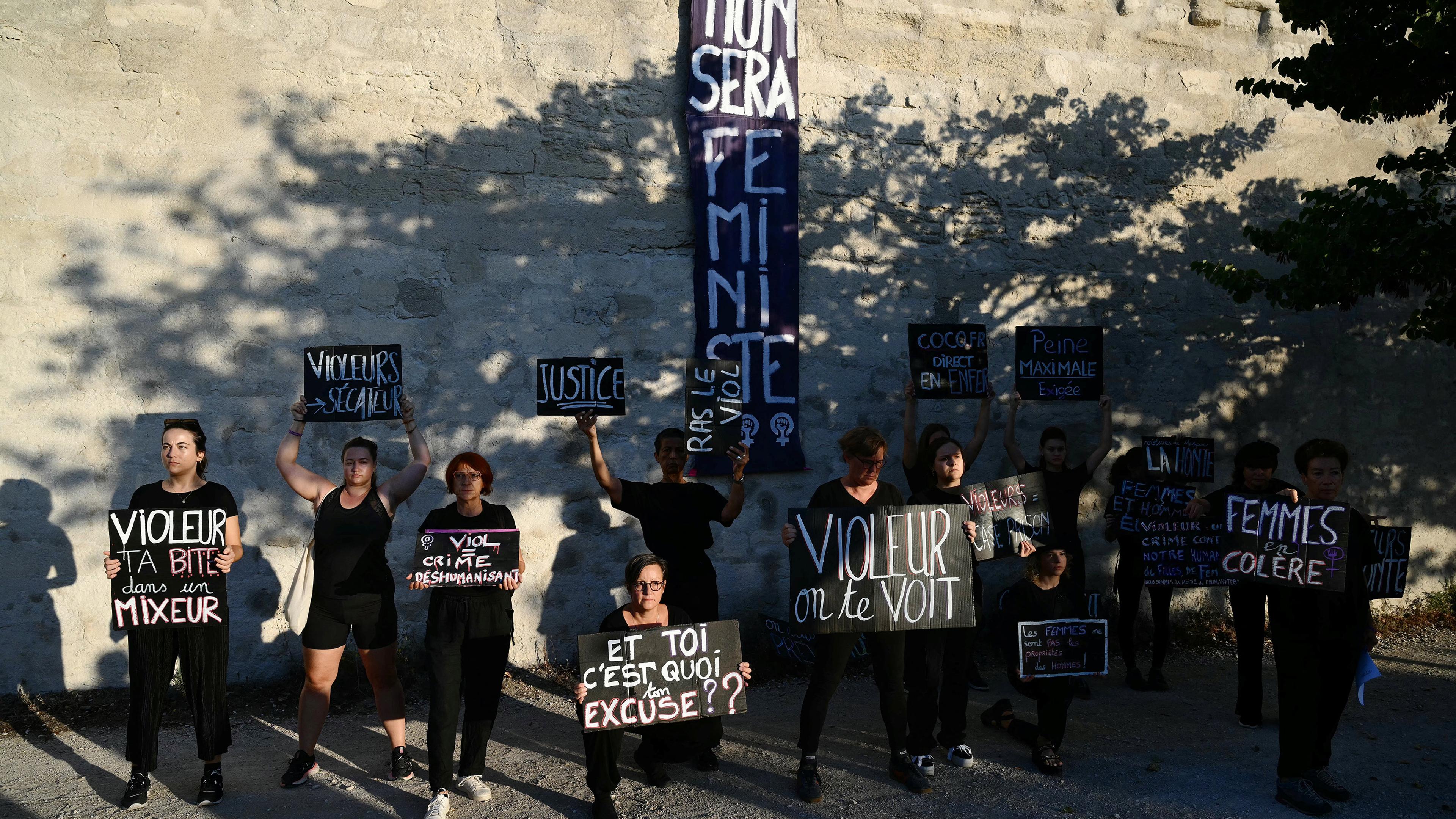
Public shaming is a form of confrontational coping that can be particularly powerful because of its larger audience. When a person engages in public criticism or other expressions of anger, they affirm their own self-worth and give themselves a chance to be heard. In writing on the civil rights protests, Bernard Boxill observes that when a protestor ‘affirms that his condition is avoidable, he insists that what he protests is precisely the illegitimate, and hence avoidable, interference by others in the exercise of his rights.’ Similar results have been found in women who participated in the #MeToo movement online by criticising sexual harassers. Such active participation helped victims of sexual misconduct ‘find their voice and regain their power’, thus alleviating losses in self-esteem.
As a form of moral self-defence, public shaming is not just a nice metaphor. There are benefits to how we theorise about the morality of public shaming. Moral philosophers make a distinction between agent-neutral and agent-relative reasons for action. Agent-neutral reasons are ones that apply to every person, regardless of their own identity or interests. If you see a child drowning in a nearby pond and you can save them, you have an agent-neutral reason to act. Anyone who sees a child drowning should save the child if possible. But suppose this child is also your nephew. Now you also have an agent-relative reason to do something. Regardless of how spoilt he may be, the fact that this child is your nephew means you have all the more reason to save him.
When people support the use of public shaming, they often couch their support in agent-neutral terms. They point out that the wrongdoer deserved to be punished, that we need to deter people from wrongdoing, or that we need to stand up for marginalised communities. If this was all there was to it, victims of wrongdoing would have no more reason to engage in public shaming than the rest of us. But when we evaluate public shaming as a form of moral self-defence, we understand why victims of wrongdoing – particularly serious and systemic wrongdoing – may have a special interest in participating. If a person needs to engage in criticism to protect their sense of self-worth, it may not be enough for other people to do it for them. Frankly, there’s nothing quite like doing it yourself.
Each person is a free and equal member of the human community, and this standing is worth fighting for
A further benefit of thinking about public shaming as self-defence is that it gives us a rubric to determine when individuals are justified in participating in public shaming. Legal scholars and philosophers recognise that self-defence must meet at least three requirements: the existence of an unjust threat, proportionality, and necessity. Necessity refers to the best course of action overall (for example, killing an attacker may be necessary, if other methods of defending yourself could result in severe injury to yourself). We can plug these three requirements into how we should judge cases of public shaming. Thus, if you want to publicly berate your local barista for adding too much milk to your coffee, you should ask yourself three questions:
- Is there an unjust threat to my standing in society or my self-respect?
- Are the likely harms from public shaming proportionate to the threat to my moral standing?
- Is public shaming my best course of action, given my aims and the likely harms?
Needless to say, a bad coffee will not pass this test. But other wrongs, like sexual assault, may very well do so.
To be sure, none of this is a blanket endorsement of public shaming, which can cause very serious harm to its victims. It also comes with costs for the wider community – it can cause mistrust, polarise groups, and create an unhealthy environment of vitriol and vindictiveness. And, as mentioned, there are plenty of self-serving, self-aggrandizing, morally objectionable reasons for why people participate in public shaming. Nevertheless, the concept of moral self-defence reminds us that our self-respect, our social identities, and our status in our communities are vital. Each person is a free and equal member of the human community, and this standing is worth fighting for. Cases of public shaming like the #MeToo movement are examples of how individuals can fight for their own standing. Just as we are entitled to impose harm on culpable aggressors in defending our physical bodies, we are also entitled to impose harm on culpable wrongdoers to defend our moral standing.