Last month, a woman in the pool locker room made a mistake. She and her friend were chatting with a pregnant woman who was in the midst of changing out of her bathing suit. They asked her when her child was due, and how she was feeling about it. The kind of small talk you make with strangers in a public space. Then one of the women turned to me and said, ‘And when is your big baby due?’ I said, ‘Excuse me, are you talking to me?’ I don’t know if it was the look on my face or her realisation that I wasn’t actually pregnant that led her to apologise profusely, saying, ‘Your body’s just fine the way it is, I didn’t mean anything, I’m so sorry.’ It was too late. ‘I’m not pregnant, I’m just fat,’ I muttered at her, then grabbed my bag and left.
I have a long history of hating my body. It wasn’t helped by my mother’s rules of how much my sister and I should weigh, and her fear that we’d get Type 1 diabetes like my dad. We had weekly weigh-ins and blood glucose tests, which I dreaded. Every time, I flinched from the pin prick to draw blood. Every time, I was sure I’d have put on enough weight to warrant a diet. But it never happened, and we continued to eat our rationed-out breakfasts and meals.
Once, I panicked in my bedroom and ran to the kitchen in tears. ‘I’m too fat, I need to go on a diet,’ I cried. My mom wanted me to wear a particular pair of jeans, and I’d outgrown them. But I didn’t think of it as growing – I thought I was just getting fat. My mom was characteristically displeased and chided me for not fitting into my jeans. It was a traumatic experience that I hoped I wouldn’t have to repeat.
In high school, I took up swimming and cycling. When I wasn’t at school, I was out riding or at the pool. By the time I got to university, I was in the best shape of my life. I added in the gym, running, and even did a couple of triathlons, and felt confident and attractive in public. I stepped up my regime in graduate school, exercising five times a week and walking or cycling the 5 kilometres to work, and back, every day. We had a research group potluck one evening and I piled my plate high – my office mate looked at it and said, ‘No wonder you exercise so much – you have a lot of calories to burn off!’ I should have said that I was hungry because I exercised, not that I exercised so I could eat more. But at the time I didn’t understand the difference between the two, so I just let it go.
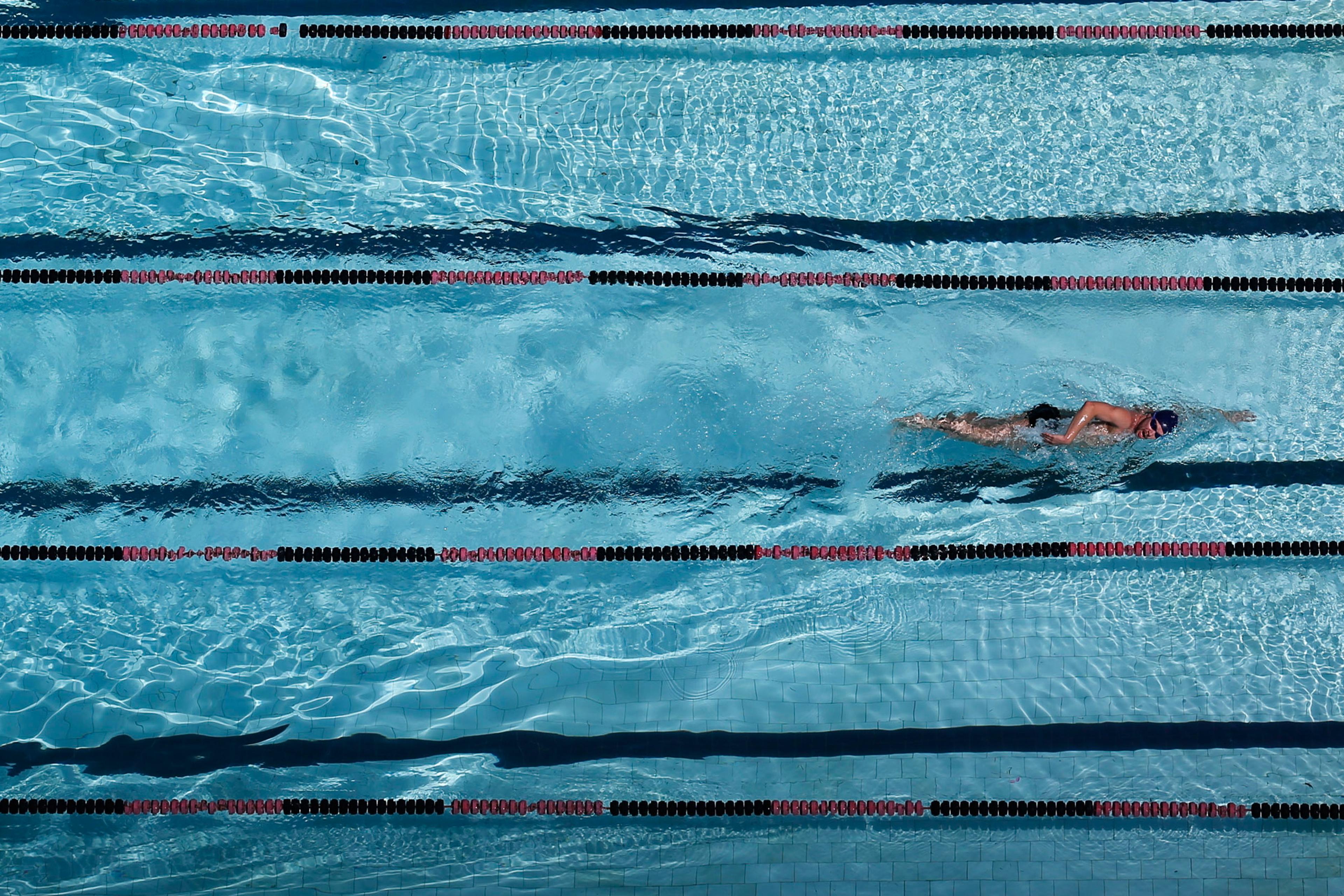
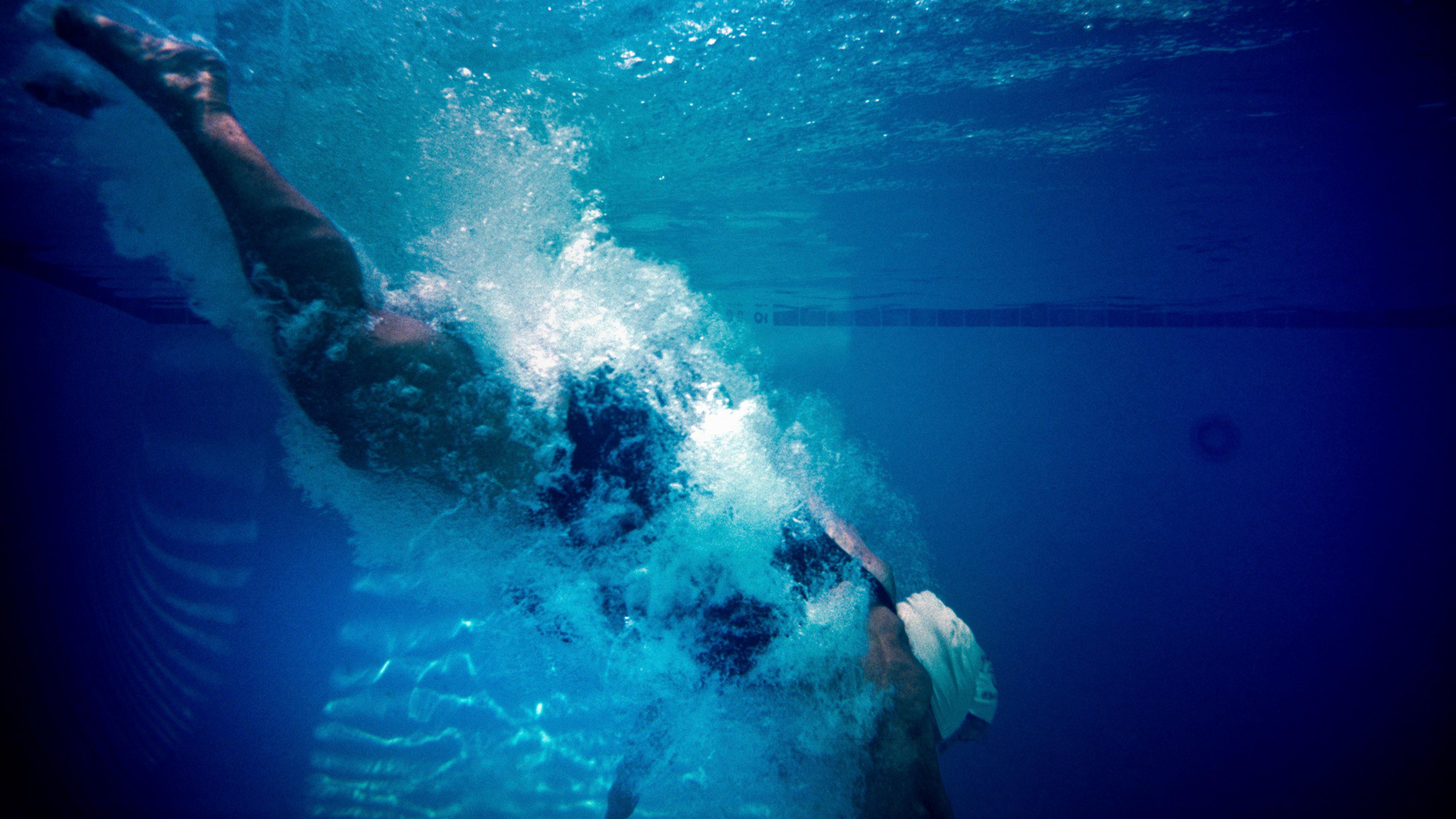
My favourite sport was swimming, because after 7 am I was usually the only person in the pool. I would do my 3,500- to 4,000-metre workout: kicks, arm strokes, distance training, exercises to practise body roll, and more. I loved the way my body cut through the water like a blade, how my arms windmilled forward and backward, how I got out of the pool feeling refreshingly stretched and toned.
But over time I gave it up. As I got older, my body was no longer what it was at 25, and I didn’t want to expose it publicly despite the fact that there was objectively nothing wrong with it. I also had less time; swimming is a time-intensive pursuit. There’s getting to the pool, unpacking your gear into a locker, the actual swimming, showering and changing, and then getting back to your office. I also had less confidence; I felt too conspicuous, unable to blend in like everyone else.
My body then was nothing like it is now. After I was diagnosed with bipolar II disorder, I had to take a cocktail of pills throughout the day and one of them caused weight gain – more than a little. I put on 60 pounds and I’m now pushing 200, an overweight woman with a big belly walking around town. The transformation has thrust me back to my childhood, a place where my mother still shames me in quiet but devastating ways. She says she can see my bum when I bend over to do my shoes up, and she tells me to stay away from fatty nuts. My psychiatrist has prescribed Ozempic in a bid to minimise the weight gain, and I hold out hope it will work, but I’m not convinced the weight juggernaut will stop anytime soon.
What I love most about community pools is the diversity of women’s bodies
Then my sister, also a big woman, started swimming in her local outdoor pool. I thought: if she could do it then I could, too. We could both exorcise the demons of a childhood spent being shamed for our weight. I found an XL swimsuit online that fit well: it covers my belly and has pads in the bust to keep it from spilling out the sides. Of course it’s form fitting, as all swimsuits are, and makes me feel almost svelte. I dug out my fitness pass, then I headed to the pool.
The first thing that hit me was the familiar smell of chlorine, and the banks of lockers on each wall with benches in between to sit on while you take off your shoes. The small tiles and floor drains, the long vanity with six sinks. The showers where people talk so loudly you can almost hear their conversation from the locker room.
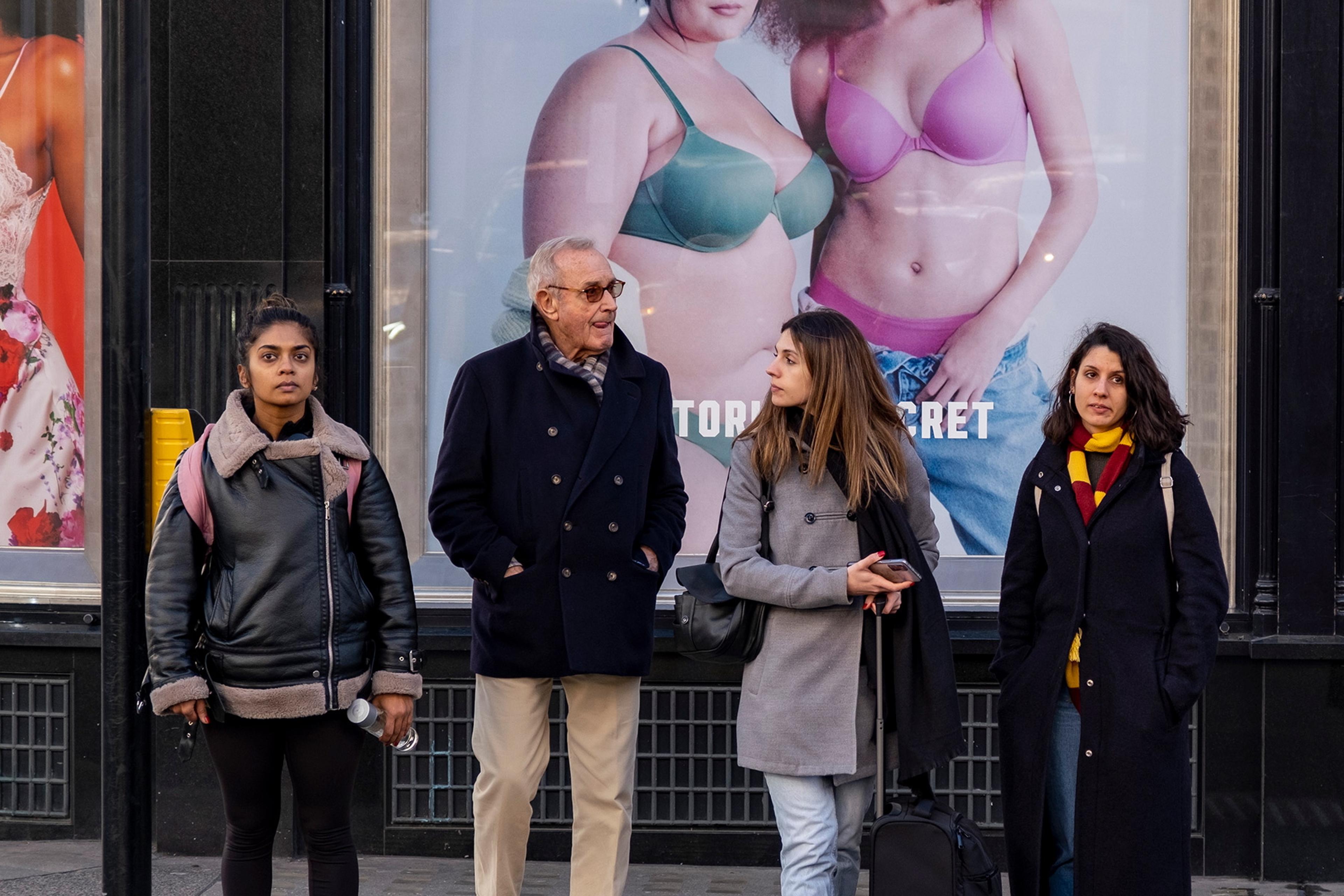
What I love most about community pools is the diversity of women’s bodies. The university pool was populated by slim students who could be haughty about their thinness. But the community pool locker room hosts new moms with children to dress; older women in fringed bathing suits with sagging bellies and breasts; and in between them, women, muscled and firm, who have just finished an exhilarating swim. After a class, they all clog up the change room – some in a stall for privacy and others showing bodies without shame.
Once I got in the pool, I realised I still loved swimming: rolling side to side in a backstroke, feeling the power of my front crawl kick as it motors me down the lane. At first I worried that my buoyancy had changed and I’d have trouble staying under the surface. But I still stay beneath the water and move with ease. The only issue is my lack of fitness. Rather than doing 3,000 metres, I’m doing 1,150 metres and that takes it out of me. Granted, my illness makes me tired, so that plays a part as well.
I may still struggle in the change room, but in the water I’m at ease
I know I look like an oversized pear with arms and legs poked into it, but I don’t care. I love the way my bathing suit holds me together and how I can still slice through the water like the swimmer I used to be. I walk confidently on the pool deck to get in the ‘slow’ lane, secure my swim cap and goggles, get a kickboard out, and start the first lengths of my workout. I kick for 450 metres: front, back, and breaststroke kick. Then I break out the leg floats and just do arm strokes for 400 metres. Then I put it all together – kick and stroke – for 300 metres of front crawl, backstroke, and breaststroke.
I feel my body rolling from side to side, a shish kebab on a stick. I work hard to lift my left arm out of the water and trail my fingers on the water’s surface before I put it underwater again, but my arms are tired and I can’t always make them do what I want. Regardless, I tunnel through the water, trying to be as streamlined as possible. I breathe every stroke (having gotten out of the practice of breathing every third stroke), unable to make my breath last very long. By the time I finish, I’m deliciously tired. I may not go far or fast, but I’m doing it nonetheless. I’m drawn back to the water like it’s a beacon. Somewhere that I feel comfortable, where there’s routine and welcome silence.
I thought the pregnancy incident would ruin my renewed love of swimming, and for a while it did. I obsessed over my body, convinced others in the change room saw me the same way – pregnant, misshapen, wrong. It sent me into an existential spiral: should I ignore her words? Stop swimming? Avoid being in public altogether? Just when I’d begun to reclaim the water, that single comment made me feel as if I didn’t belong there at all.
As little as a year ago, I might have quit swimming after an episode like that. But I’ve changed since then. Taking up one of my favourite sports again has given me a sense of assurance I haven’t felt in years. I may still struggle in the change room, but in the water I’m at ease, surrounded by bodies of every shape and age. Lap by lap, the repetition quiets my mind – kick, pull, breathe – until it’s just me and the water. I feel a trace of the strength I had in university, even if my body looks nothing like it did then. And I refuse to let a stranger’s careless assumption take that from me. Her mistake was hers alone, and once I recognised that, my confidence didn’t just return – it surged back with a clarity that made it impossible to give up the water again.