
Existential crisis? Try reading Wordsworth
For many generations of readers, the poetry of William Wordsworth has been an irreplaceable balm for the soul
by Sam Dresser

Senior Editor, Aeon+Psyche
Sam has been with Aeon since its launch in 2012. He’s most interested in how to do philosophy and in the continental/analytic divide. History and politics are also amusing to him. He considers Evelyn Waugh to be a very funny writer and enjoys pubs more than he should.
Written by Sam Dresser
For many generations of readers, the poetry of William Wordsworth has been an irreplaceable balm for the soul
by Sam Dresser
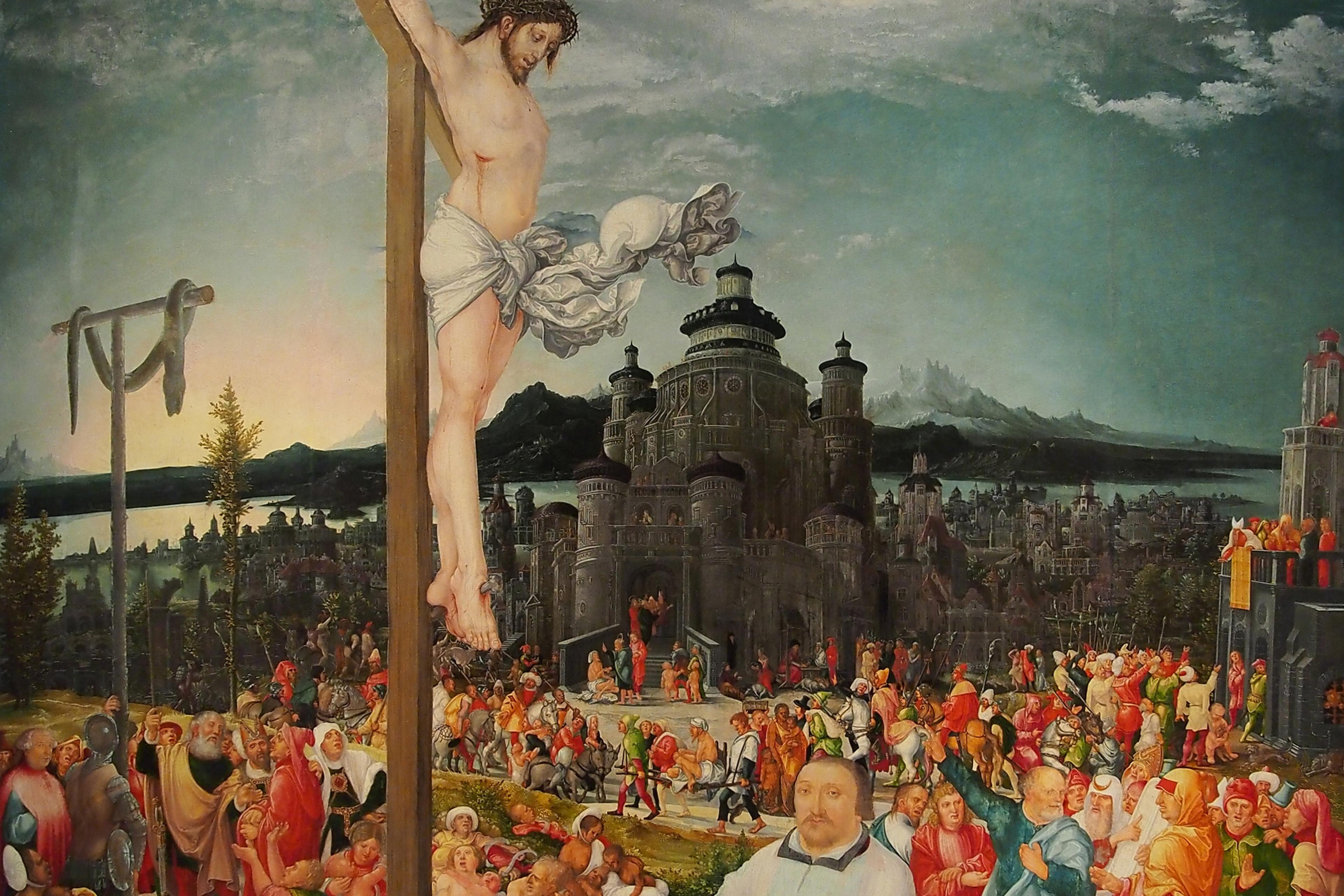
Renaissance artists paid uncommon attention to Jesus’ nether regions. What does this breach in modesty reveal about art?
by Sam Dresser

The Old Town of Würzburg seemed to offer a real connection to the past. But none of it was authentic
by Sam Dresser
Why we should embrace beliefs or stories that may not be, strictly speaking, true but are to some extent useful or good
by Sam Dresser
The diplomatic intervention by a philosopher on a president shows the extraordinary consequences of unlikely meetings
by Sam Dresser

For Emil Cioran, ‘true contact’ with another is the deep intimacy that emerges through mute togetherness
by Sam Dresser
There is something comforting about realising that, even in Homer’s day, people wondered what the hell their dreams meant
by Sam Dresser
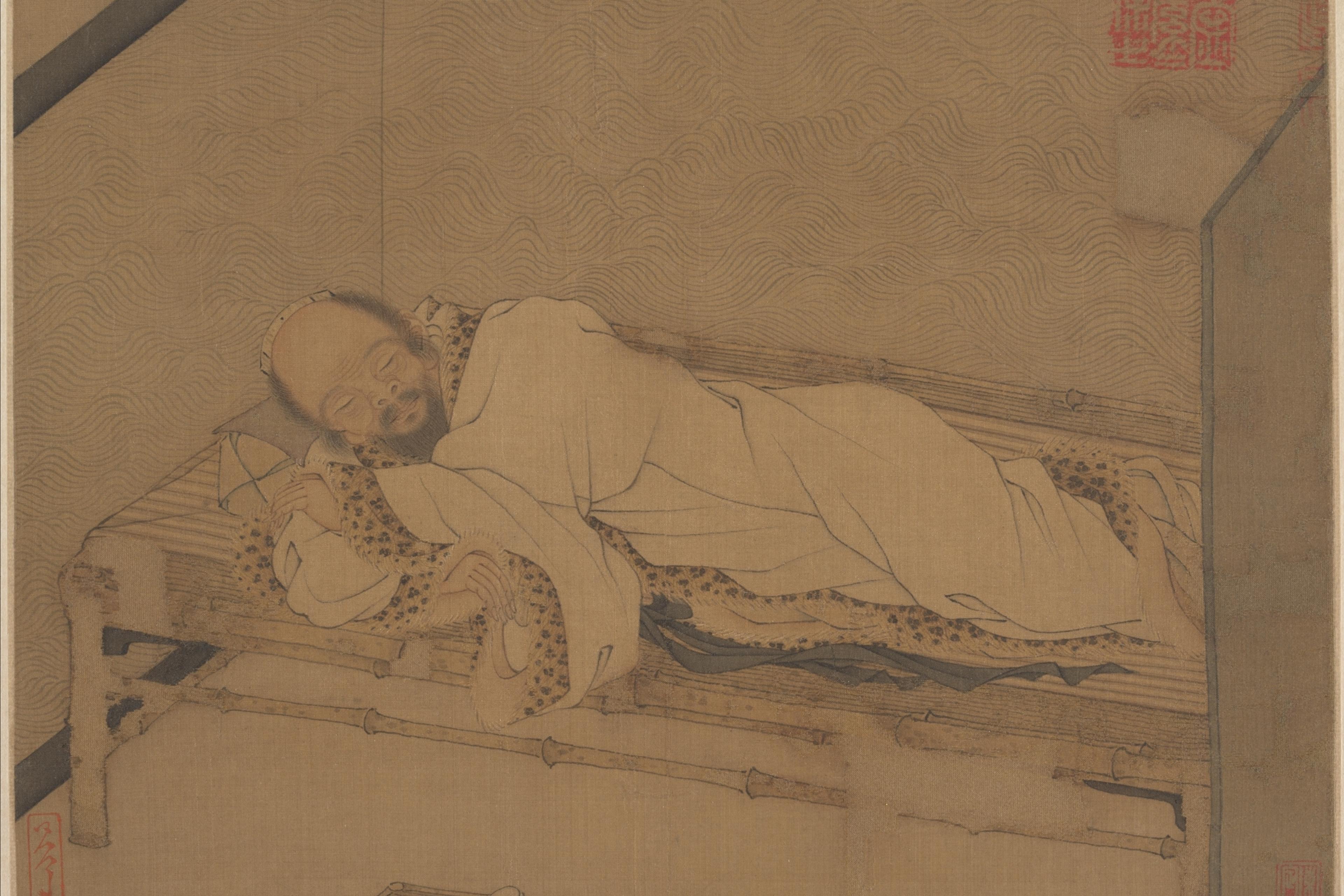
Forgetting can be frustrating, even scary. The ancient Greeks certainly thought so. But Daoism offers a more hopeful view
by Sam Dresser
Edited by Sam Dresser

Fear protects us from future harm, so what’s going on when we find ourselves scared of what’s already happened?
by Davide Bordini & Giuliano Torrengo

You couldn’t love a clone of someone the same way you loved the original. But why? And what does this reveal about love?
by Idowu Odeyemi
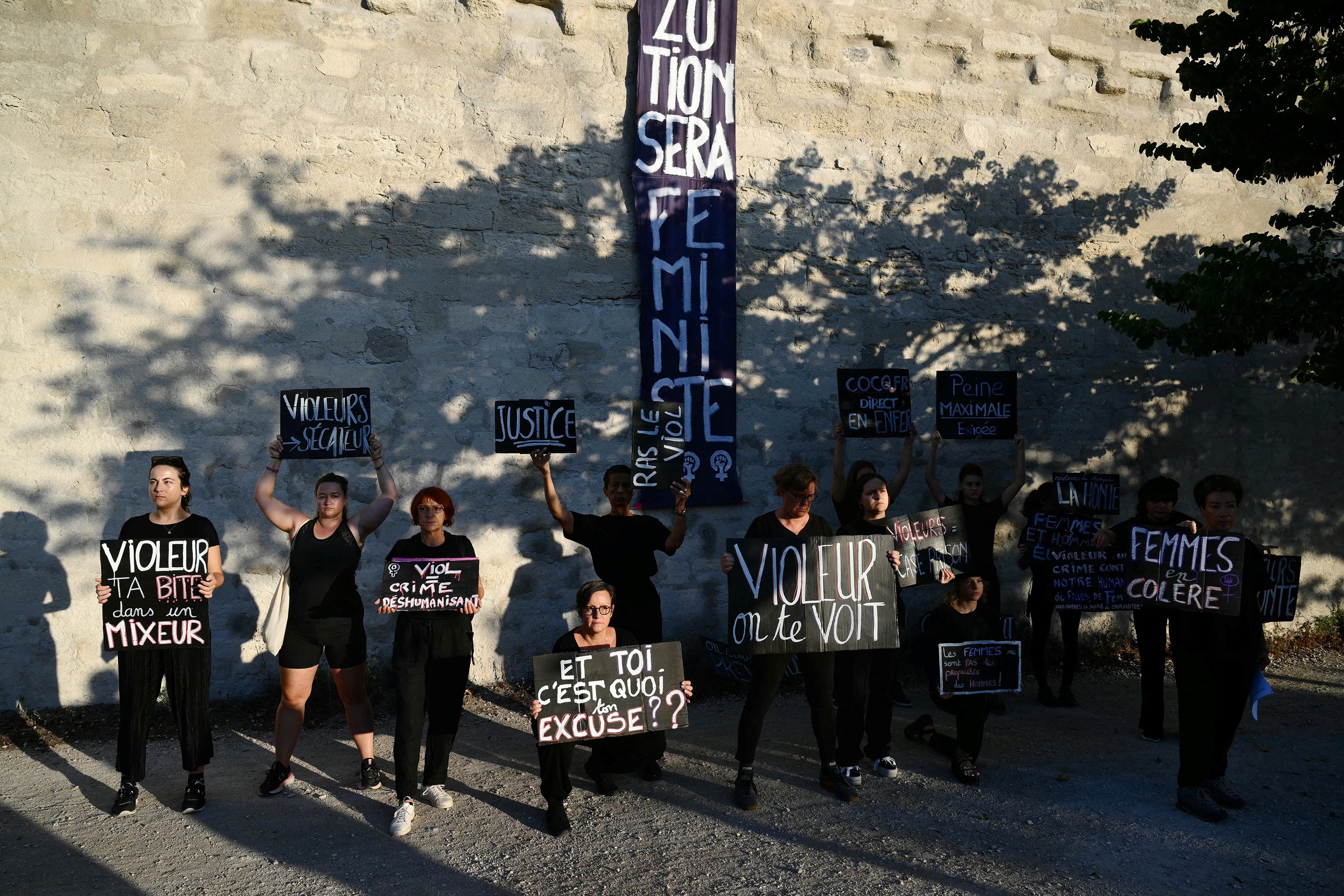
When our self-respect, status and social identity are threatened, we ought to defend ourselves and shame our wrongdoers
by James Edgar Lim
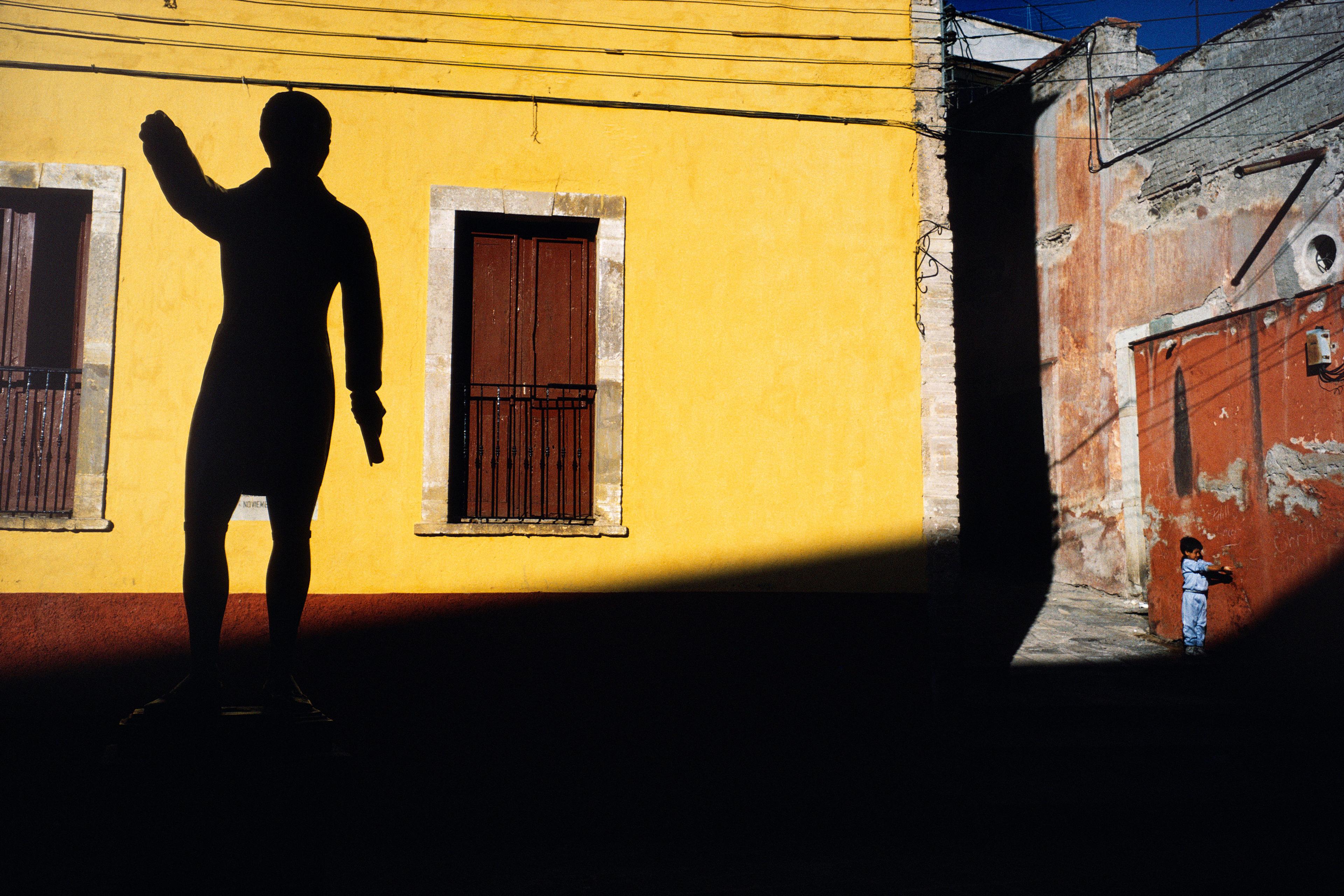
In an age of strong political commitments, a Nahuatl word encapsulates the freedom to let go of what has become oppressive
by Carlos Alberto Sánchez

Well-meaning campaigns urge openness and conversation about mental health struggles. But there are those who cherish silence
by Dan Degerman
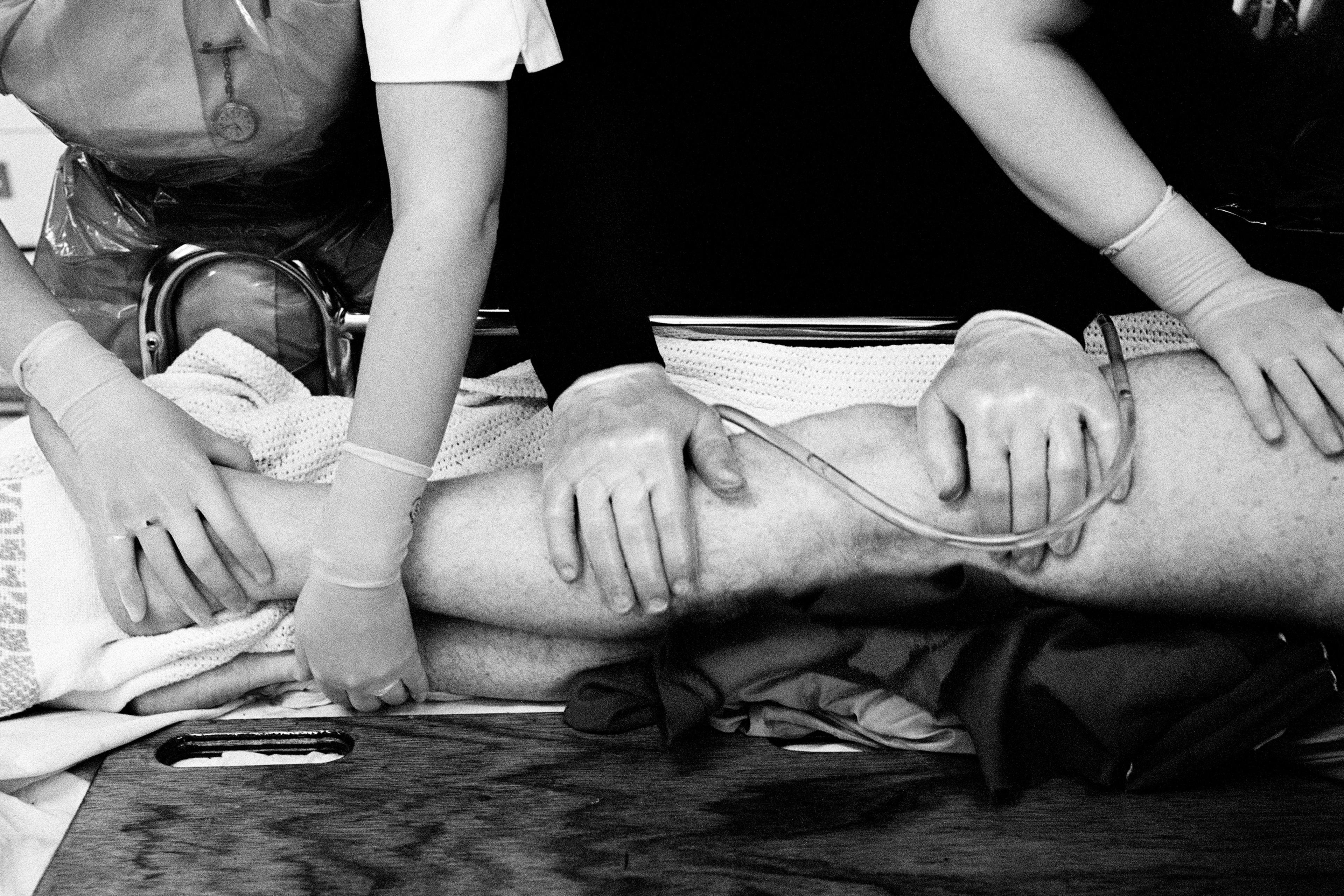
Reckoning with the complex history of dignity reveals its fragility and what Hannah Arendt recognised as its conditionality
by Christa Teston
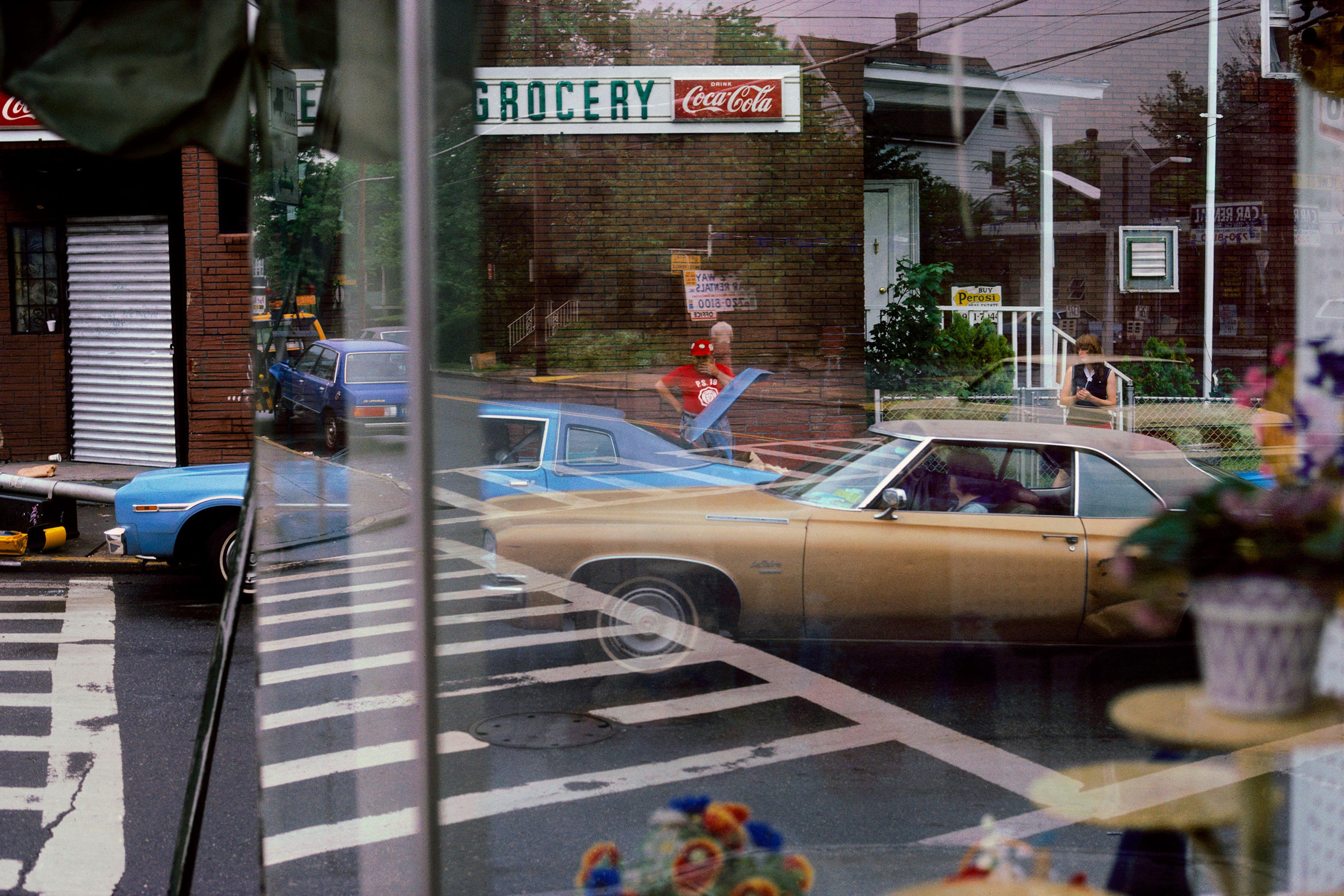
We aren’t safe inside separate minds. Being-in-the-world means we’re entangled and vulnerable – and that’s how we flourish
by Katherine Withy

Sartre’s phenomenology reveals how a shift from subject to object (and back) is not merely a matter of grammar
by Tris Hedges