In my work as a clinical psychologist, I have supported numerous people who described feeling listless, apathetic, and lost in life. These clients often say they lack a guiding light to direct their efforts. ‘I’m searching for my North Star,’ one recently said. ‘Finding purpose in life’ is a commonly cited reason for seeking support. But years of clinical experience have taught me that trying to ‘find’ purpose can become part of the problem rather than the solution.
Before I explain, let’s first reflect on what purpose is. The preoccupation with living a purposeful life is as old as civilisation itself: scripts dating back millennia bear witness to religious deities and spiritual leaders (Krishna, the Buddha and the prophet Muhammad, to name a few) and a litany of ancient philosophers (such as Confucius, Laozi and Aristotle) who extolled the virtues of purpose. In more recent times, the existentialist school of philosophy identified purpose as a key ingredient in a meaningful life. Purpose is now widely understood as an enduring reason for being – a motivational force that guides our choices, gives meaning to our actions, and connects our lives to something beyond ourselves.
Viktor Frankl, the Austrian psychiatrist who survived the horrors of Nazi concentration camps, had a profound influence on our contemporary understanding of purpose. In his book Man’s Search for Meaning (1946), Frankl wrote of his wartime experiences: ‘Woe to him who saw no more sense in his life, no aim, no purpose, and therefore no point in carrying on. He was soon lost.’
Contemporary wisdom – perhaps influenced by Frankl’s idea of a ‘search for meaning’ – has resolutely identified purpose as something to be ‘found’. The author and speaker Simon Sinek has done more than most to popularise the importance of purpose in recent decades. His books, including Find Your Why: A Practical Guide for Discovering Purpose for You and Your Team (2017), are international bestsellers. According to Google Ngram Viewer, which charts the frequency of a word or phrase in books, the use of the phrase ‘find your purpose’ has risen by more than 3,000 per cent in the past three decades. But this emphasis on finding purpose may inadvertently be thwarting people’s efforts to live purposeful lives.
In working with clients, I have noted several problematic implications of seeing purpose as something you must ‘find’. First, it implies that purpose is something you lack altogether. Becoming acutely focused on that perceived lack can breed anxiety. ‘Finding your purpose’ also suggests that your purpose should suddenly appear, fully formed, in brilliant clarity – a moment of joyous insight that arrives like a precious gem plucked from the earth. When that proves elusive, it can be frustrating and disheartening.
There are some other complications with this framing of purpose. It makes it seem as if, once you ‘find’ purpose, it is fixed – impervious to change. This can breed an attitude of conservatism where you might fret about ‘losing’ purpose and feel inclined to maintain a status quo rather than exploring other options. Finally, advice about ‘finding your purpose’ often casts purpose as a means to an end. In a remarkable feat of capitalist opportunism, the concept has been co-opted by entrepreneurial thought leaders and influencers, who promise to help you ‘find’ your purpose so you can monetise it by creating a business out of it.
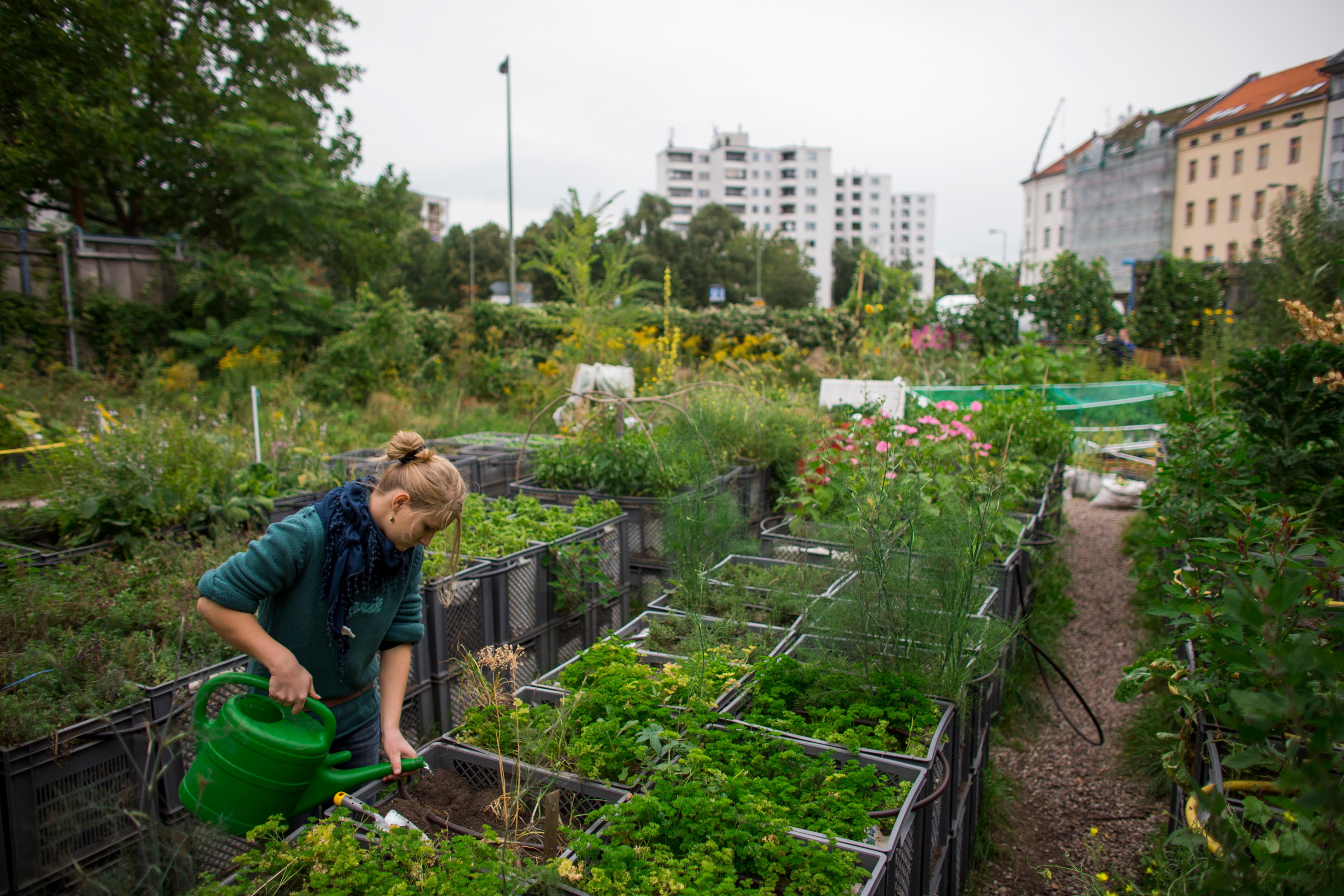
In my experience, it is better to think of purpose as something you form, rather than something you find. This distinction helps my clients get moving from where they are now, instead of stalling because they feel lost about where to begin. The seeds of purpose are already there in ideas and interests that excite us – even if we haven’t had a chance to fully explore them – or in activities that bring vitality into our lives (however rarely). With the right conditions, these seeds can grow. Purpose requires cultivation.
Thinking about it in terms of ‘forming’ rather than ‘finding’ helps to emphasise important aspects of purpose:
- Purpose is already present. ‘Forming’ purpose engenders a spirit of abundance rather than scarcity. You can work with what is already there, rather than searching for something that is not.
- Purpose is a process. Understanding purpose as a work in progress can be helpful for managing feelings of frustration that arise when your efforts don’t deliver the outcomes you hoped for. Rather than being deterred by these feelings, you can instead understand them as an intrinsic aspect of living a purposeful life. Caring deeply about something opens you to experiencing the full gamut of emotions.
- Purpose evolves. When you focus on ‘forming’ purpose, you are open to emerging possibilities and appreciative of the opportunities this can bring. Purpose, in this view, is not necessarily just one thing; co-existing ‘reasons for being’ can evolve at the same time (eg, taking care of our planet can coincide with serving family and community). The world around us – not to mention our inner worlds – can change rapidly, and our priorities can shift accordingly.
- Purpose serves its own ends. Purpose is autotelic – it is its own reward and doesn’t rely on external incentives such as money, status or celebrity. Sure, these forms of reward may accompany purposeful living, but they are not the driving force behind it.
Forming purpose is a key focus in the work that I do with clients. One approach I employ to help them do this is an exercise that I call ‘A Day on Purpose’. I’ll illustrate this using the case of ‘Frank’ (whose story is inspired by clients I have worked with).
When we started our work together, Frank was in his mid-30s, happily married with a young son. He was working as an accountant in a private firm that he had founded with a friend. The first years of operating the business had been fraught with uncertainty, but the firm had now established itself as a profitable enterprise. In our first session, Frank described feeling low in mood and lacking in energy. He said he’d had to make sacrifices for his business and wondered if they were worth it. In one of our conversations, we discussed ‘A Day on Purpose’.
I asked him to imagine that he had a whole day free of doing the stuff he didn’t want to do, such as humdrum chores, and that he was feeling well rested and didn’t need a holiday. ‘Instead,’ I tell clients like Frank, ‘you can choose to use this day to do things that are both meaningful to you and have the potential to connect you to the world beyond yourself.’
We need to be deliberate in scheduling time to form our purpose and overcome practical barriers
The discussion then turns to answering a series of questions. I’ll share Frank’s answers, and perhaps you’d like to answer each of these for yourself, too.
How would you choose to spend that day?
After expressing some initial uncertainty, Frank said he would want to get outside – away from the office and away from screens. He used to go hiking when he was younger, spending hours in the woods or on trails. But focusing so much on his work meant that he hadn’t been able to do that as much as he would’ve liked to. He wanted to use the day to connect with nature more deeply again.
What matters enough for you to spend the day that way?
Frank said that spending time in nature would help him feel reinvigorated. For the past few years, life had felt very scripted – school runs, audit reports, ensuring staff got paid. Time in nature would help him break that script and connect with the bigger picture, allowing him to ‘see the wood for the trees’, as he aptly put it.
How would you know that it had been a day well spent?
Frank said he’d feel calm and grounded, and be more present in his interactions with his son and wife.
What difference, if any, would you hope that doing this might make?
Beyond the positive impacts it would have for him personally, Frank expressed hope that it would positively influence his son. He wanted his son to grow up knowing that life isn’t just about work. By modelling the importance of connecting with nature, he could teach his son the value of being outside and the sense of adventure it can foster. Frank also reflected on the possibility of starting a walking group for parents or families in the future to help get people outdoors together.
If you could have more of the feelings that spending a day this way would bring, would you want that?
This was an unequivocal ‘Yes’ for Frank.
Finally, take a moment to consider how you might do more of what you’d do on that day – even 1 per cent more – in your average week. What concrete actions could you take in the coming week to help you do that?
Frank answered that he could suggest to his wife that they take their son to a forest park that weekend. He also committed to checking if there were any local hiking groups he could join to build a sense of community with like-minded people interested in spending time in nature.
Thinking about ‘A Day on Purpose’ allowed Frank to understand how important spending time in nature – and helping others to appreciate nature – were for his sense of purpose. For other people, the activities that cultivate purpose, whether they are familiar or novel ones, will look very different (eg, for one person it may be making music, but for another it might be helping people in need). While efforts to tap into one’s purpose may involve pursuing lofty and challenging goals, they don’t have to (as in Frank’s case).
Whatever a person’s sources of purpose might be, the final question that I asked Frank is a key one. We, like him, need to be deliberate in scheduling time to form our purpose and overcome practical barriers that might arise. Forming purpose is about carving out opportunities for cultivation rather than waiting for a sudden discovery. That means doing what many of us often fail to do: thinking in specific, tangible terms about what brings meaning and vitality to our lives.