Forming desirable habits in life can be a blessing, especially if they allow you to perform healthy or productive behaviours effortlessly in the right context, without thinking – such as eating more fruit, reading more books, being more environmentally friendly or doing more exercise. With the right habits you can change your life for the better, or so the logic goes. But what does it take to form a healthy habit?
For many years, self-help books, advice columns and online influencers have championed the idea that all it takes is sheer repetition, day in day out – whether they claim it takes 21 days, 66 days or some other magical number. You might need to set reminders or seek encouragement from a friend at the start, they say, but gradually the action will become second nature. It sounds like an easy win!
It’s true that well-practised behaviours can become habitual, meaning they play out automatically. Repeatedly completing a given behaviour that is consistently paired with a stable cue – such as doing it in a specific place, when you see a certain object, or at a specific time of day – allows your memory to encode this pairing, and this pairing will be reinforced if the behaviour is rewarded in some way, for example making you feel good afterwards.
Once a habit is formed, the cue then triggers you to engage in that behaviour automatically, without you needing to intentionally instruct yourself to do it. That’s why you probably gave little thought to whether you would brush your teeth this morning, nor did you have to amp yourself up to take your medication. It’s equally unlikely that you set a reminder to brew your morning coffee. In fact, some of your habitual behaviours might run so much on autopilot that it’s easy to forget if you even did them. Did you lock the front door this morning?
As well as catching the attention of pop psychologists and wellbeing gurus, this theoretical understanding of habits has also underpinned the development of many public health campaigns and interventions that aim to support people to engage in more healthy and sustainable behaviours.
But is healthy habit formation really this straightforward?
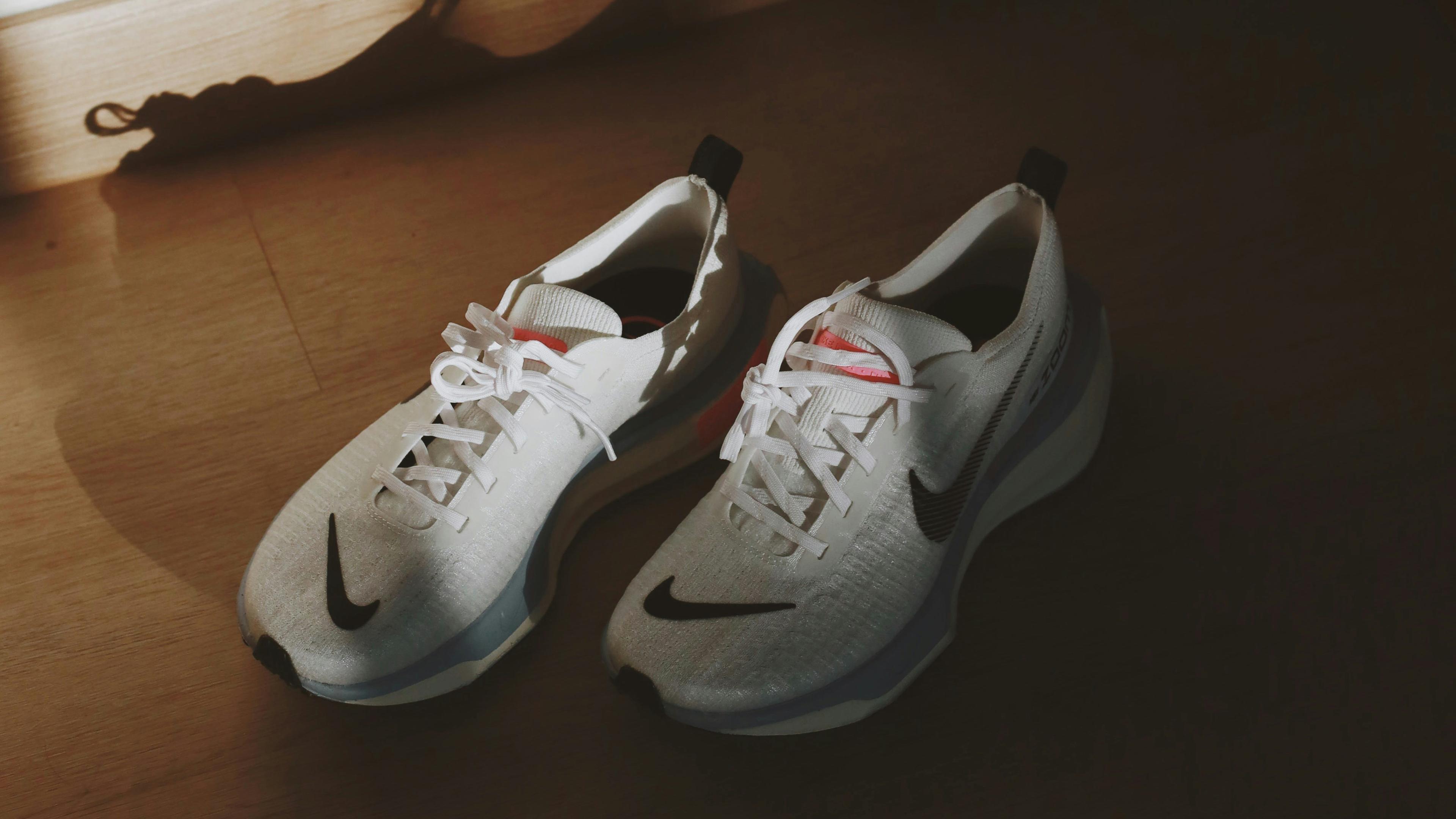
As a pair of psychology researchers, we’ve been troubled by the apparent disconnect between the science of habits, and our everyday experiences of our routines. Consider the case of running. For many people, it’s a routine they’ve practised for months or even years – early alarms, lacing up shoes, hitting the pavement. Yet, despite much repetition, running might not necessarily occur effortlessly, without thinking. If you are reading this as an experienced runner, you might reflect that many runs still involve a motivational tug of war between the run and something else. You might sometimes struggle to get out the door, or to keep going once you start. We think these kinds of experiences challenge the common assumption that repeatedly rewarded behaviour naturally becomes fully automatic. Perhaps the truth is more complicated. Maybe some habits never truly run on autopilot.
We believe a key factor is the complexity of different behaviours. Some important health behaviours are relatively simple. Taking a pill is fast and easy, and can nestle conveniently among your daily tasks. For example, you might take a medication with meals every day, making the behaviour highly susceptible to automation. But other behaviours are far more complex. Running outside, preparing healthy meals, or using active travel each take longer and feel more effortful than taking a pill. Habits for these sorts of complex behaviours might be more susceptible to disruption if we don’t feel motivated, or an unexpected obstacle comes up, or the duration of the behaviour comes into conflict with other commitments we have.
To test this idea, we asked more than 200 people to select four behaviours that they were currently doing to be healthy or environmentally friendly. Some were relatively simple behaviours that could be completed quickly and in one step, such as taking a pill, packing a re-usable coffee cup, or wearing a face covering (we ran the study during COVID-19). Other behaviours were more complex, but nevertheless common activities, including making a healthy lunch, sorting recycling, and exercising.
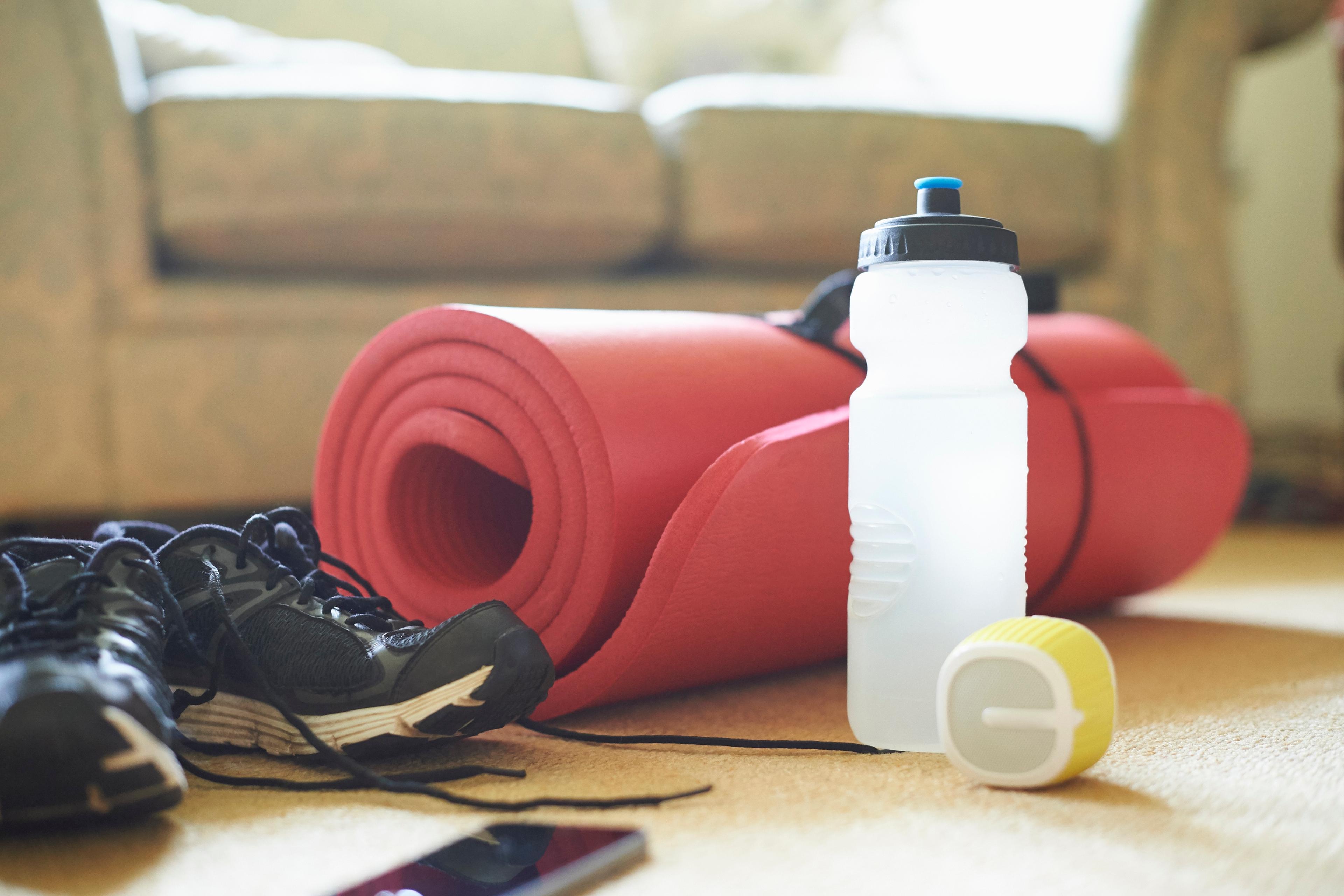
Participants whose exercise routines had become strongly habitual also used a wide array of tactics to get themselves going
Next, we asked our participants to report how habitual their chosen behaviours had become using a gold-standard measure, the Self-Reported Automaticity Index. This short questionnaire asks you if a given behaviour is, for example, something ‘I do automatically’, ‘I do without thinking’, or ‘I do without having to consciously remember’.
Then, over the following two weeks, we asked the same people to keep track of any intentional strategies they used to engage in these behaviours, such as calling on support from a friend, reminding themselves of the positive outcomes associated with doing the behaviour, or adding something extra to the behaviour to make it more fun to do.
For simple behaviours, our participants’ experiences were as you would expect, based on classic habit science. The more they said a simple behaviour was habitual and ran on autopilot, the less often they reported using strategies to motivate this behaviour. This makes sense: you don’t need much self-encouragement to pack a reusable cup once that behaviour has become a habit.
However, the findings for complex behaviours were more surprising and revealing. Participants who reported the strongest habits for the most complex behaviours reported using intentional strategies just as much as the participants who said they had only very weak habits for the same behaviours. For instance, participants who said their exercise routines had become strongly habitual also described using a wide array of tactics and tricks to get themselves going.
These findings are contrary to how automaticity is supposed to work, according to classic theories of habit formation and according to pop psychology.
Dietary change is another example of a complex behaviour. In another study, we tracked people who were trying to become vegan or vegetarian for six months. We found that many of our participants developed strong habits to eat their chosen diet – they said the new diet had become automatic and something they do without thinking – yet, once again, forming a strong habit did not stop them from frequently using strategies to control their cravings for animal products. In fact, the participants who developed the strongest habits to eat vegan or vegetarian foods used more, rather than fewer, strategies to coax themselves to stick with their diets.
Our findings point to an important distinction. While simple behaviours that take the form of brief actions are relatively easy for us to automate, longer-form behaviours that require more steps and more time seem unlikely to become so effortless that you don’t need to do them intentionally. This is a sobering thought for many of us who want to change complex behaviours. Establishing a running habit or a new diet over several days, weeks or even months might not necessarily mean that this behaviour ever becomes as easy and automatic as taking a pill.
You may have noticed that a certain aspect of our findings appears paradoxical. People say that they have a strong habit to perform a complex behaviour – doing it automatically, without thinking. Yet, these same people also report engaging in very deliberate strategies to will themselves to enact these same behaviours. This presents a puzzle about what people actually mean by ‘automatic’, and resolving this paradox is an important aim for our future research, but we already have an idea about what’s going on.
Having a habit for a given behaviour can sometimes cue a person to consider starting the behaviour, while not necessarily being sufficient to ensure that the behaviour goes ahead. This is called an instigation habit. For example, closing your laptop at the end of the day might prompt thoughts of a post-work exercise routine, or seeing vegetarian labels on a menu might shift your attention to those choices. But, even with these cues, you might still need a bit of a mental push to follow through.
The desirable behaviours we’d like to make part of our lives are unlikely to ever become completely effortless
It’s also possible that some intentional processes around a behaviour (such as self-talk, thinking about the behaviour’s purpose, or planning to reward yourself) can themselves become well learned and part of what it means to have a habit. Interestingly, in possibly the earliest definition of habit, Aristotle did not refer to reflex-like actions in response to cues, but instead to acquired dispositions that involve learning the multiple means necessary to complete an action regularly, successfully and efficiently. In this view, forming a new desirable habit doesn’t require simply the habit to cue the behaviour itself, but also involves helpful strategies that encourage the behaviour along.
A broader view of habit, one that acknowledges that some habits might need to be supported by intentional processes, could open new avenues for intervention. Behavioural scientists might need to develop interventions that train instigation habits (eg, through helping people form plans to repeat desirable actions in stable contexts) while also providing tips, tricks and tactics that people can use to ensure that these actions actually happen. This might include setting up your living space so that the things you need for the behaviour are readily available, adding music or podcasts to the activity to make it more fun, reminding yourself of how the behaviour is aligned with your values, or focusing your attention on the first steps of the behaviour to give yourself momentum.
Wellbeing gurus and self-help authors might lead you to believe that if you can just perform a behaviour regularly for 21 days straight then you will fall into a rhythm where that behaviour becomes effortlessly integrated into your routine. We want to reassure you that, if you have ever tried this and were unsuccessful, it’s not a mark of personal failure!
Our research suggests that many of the desirable behaviours we might like to make a part of our lives are unlikely to ever become completely automatic and effortless, especially if they require multiple steps, time and/or physical exertion. Automaticity may be enough on your ‘good days’ when you experience no competing demands or physical or mental obstacles. However, for many of us these days are few and far between. More often we must balance work, family, friends, hobbies and information overload and in these circumstances, being realistic about it, you will always need to invest some effort and persistence.
Facing up to this reality will help you in the long run, allowing you to develop the skills you need to support yourself, and to shape your environment, in ways that will increase your chances of success.