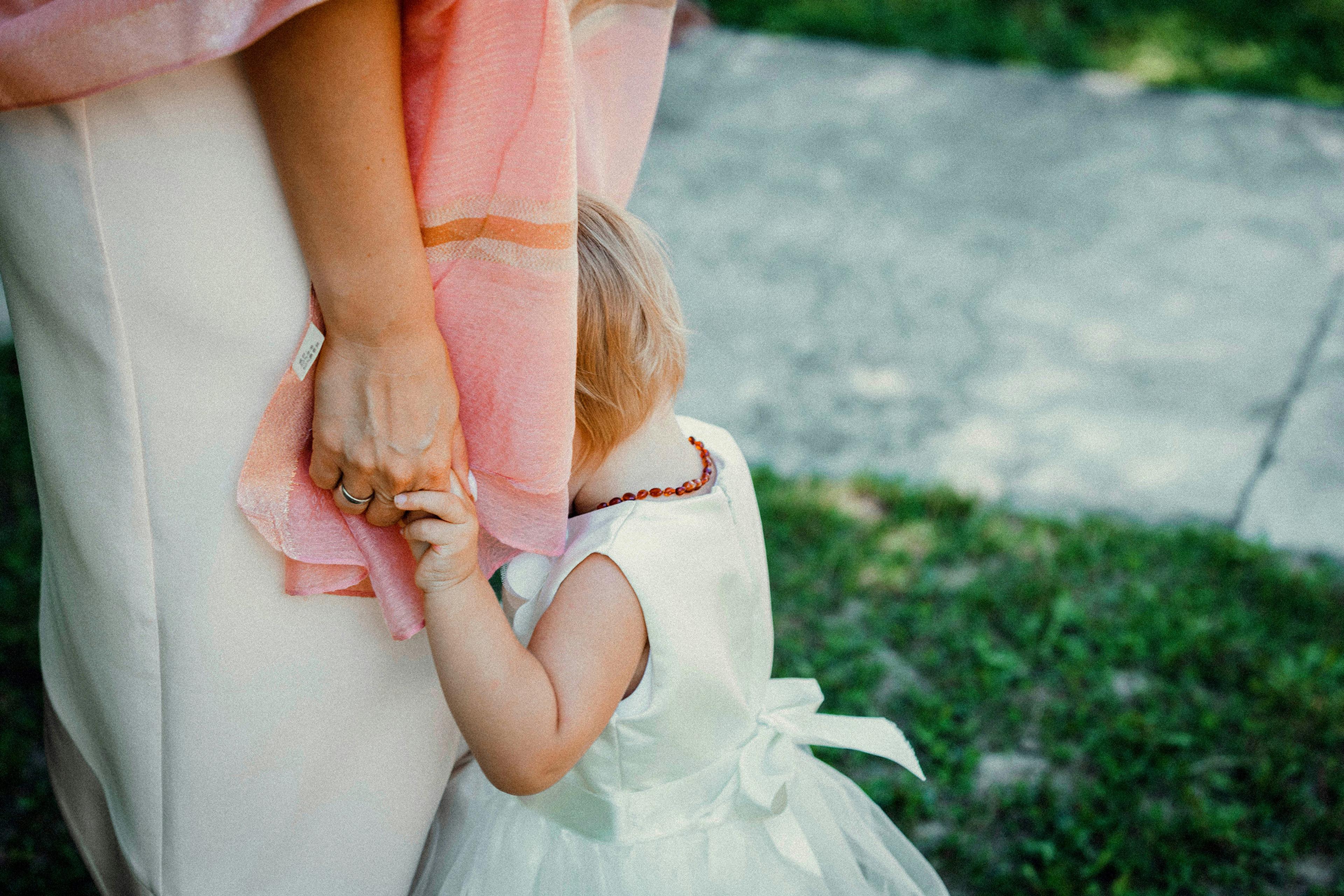
If you’ve heard about attachment styles – the ways we tend to relate to others in close relationships – you might have been told that it comes down to how our parents treated us. According to classic attachment theory, those of us lucky enough to receive plenty of warmth and support from our early caregivers develop a ‘secure’ model of relationships: we continue to trust close others to be there for us and feel comfortable depending on them. Those who don’t receive such support may develop ‘insecure’ models – becoming anxious about losing people, or averse to getting too attached.
Yet these models are not ‘set in stone’, contemporary attachment researchers say; we update them based on novel relationship experiences. That is, it’s not all about mom’s responsiveness to your needs. Other kinds of bonds matter, too.
Supporting this view, the research psychologist Keely Dugan and her colleagues analysed data on hundreds of people, provided by their parents, observers, and the participants themselves as they aged to around 30. As expected, people’s experiences with their mothers in childhood were correlated with how secure they felt in multiple kinds of relationships as adults. But the quality of other early relationships was predictive as well. For instance, having more positive experiences with friends in childhood was associated with feeling more secure in romantic relationships as an adult.
These results had me thinking about my own attachments in unexpected ways. Not just about how parental warmth might have equipped me to feel safe relying on others, but how my friends from childhood (some of whom I’m still close with) may have served as attachment figures themselves. Did learning – year after year, hangout after sleepover after band practice – to feel safe with my pals help set me on a course toward a happy marriage? I’m sure they’d love to take credit for that, and perhaps they deserve some.