Snorkelling taught me stillness

Listen to this article

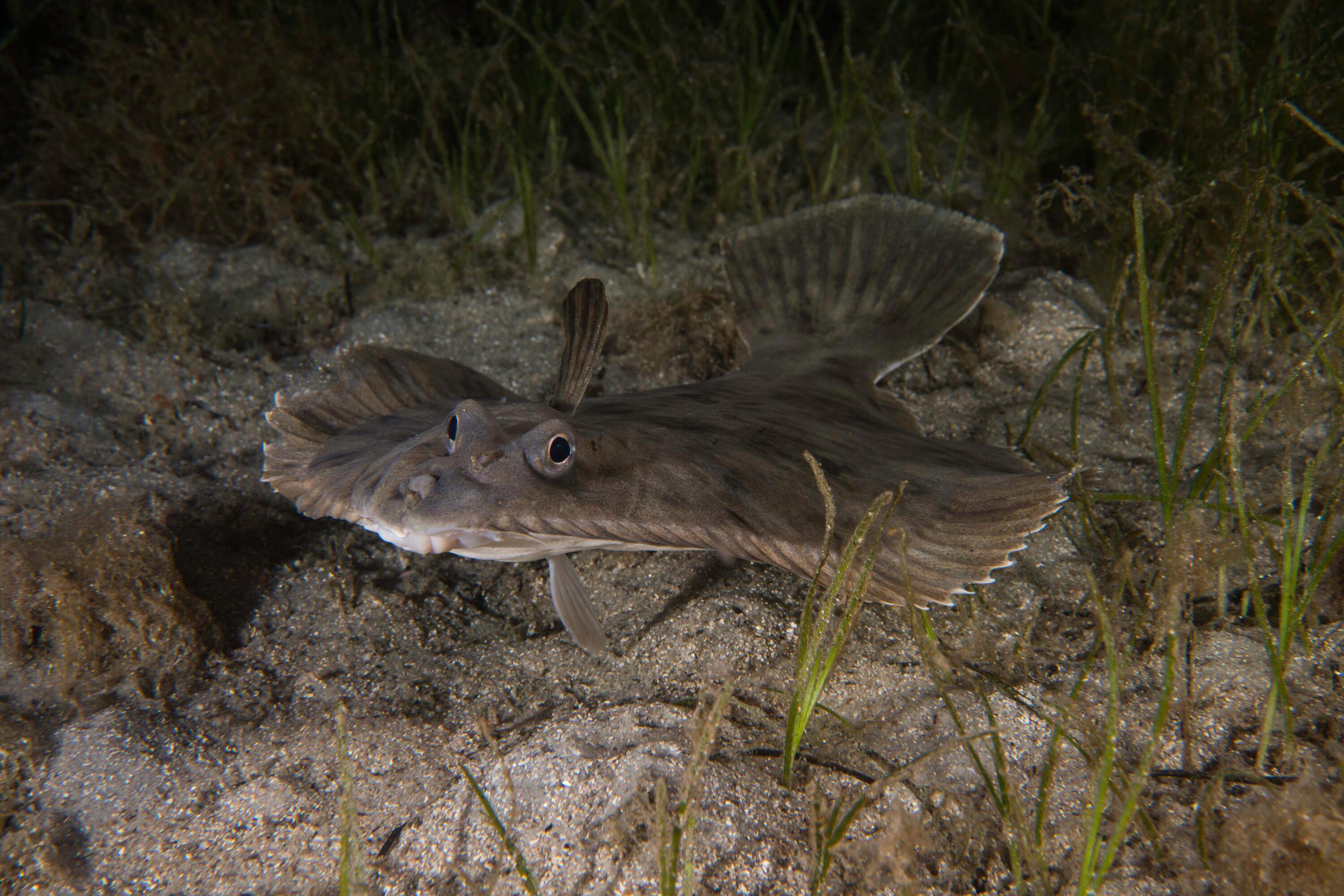
Photo of a flounder underwater, lying on a sandy seafloor with seaweed, showing its eyes pointing upward.

What comes to mind when you think of snorkelling? Tropical, crystalline waters teeming with flamboyant fish and vibrant corals? Or perhaps spectacular encounters with charismatic marine megafauna like dolphins or whale sharks? Last summer, I moved away from the coastline-spoilt Sydney, where I’d regularly encountered dolphins, whales and fish that looked like novelty running shoes. Arriving on Melbourne’s more muted shores, I felt bereft – until I discovered how much life this unfairly maligned bay holds.

Leafing through Day Trip Melbourne: 52 Nature Adventures (2023), an excellent guidebook on the natural spaces in and around Melbourne, I was surprised to discover a marine sanctuary a quick half-hour drive away. From the outside, it frankly looked a bit drab, dominated by muddy greens and browns – certainly no Great Barrier Reef. And when I first braved its frigid waters, it didn’t instantly pay off. While kelp and algae forests undulated gracefully in the currents, I couldn’t make out any of their residents until I stilled myself – no easy feat for a chronically impatient person. But just as I was about to give up, a metre below my hovering body, I spotted a flounder digging itself into the ocean floor. It was an enchanting, beige-on-beige spectacle, enough to entice me to return the next weekend, and the next. Over time, my attention to detail sharpened, revealing tiny seahorses, colourful nudibranchs, and the subtle changes in the underwater landscape throughout the seasons.

Even outside the water, the sanctuary has delivered on its name: I recall the rhythmic flapping of a banjo ray’s nasal flaps or the bay’s static crackling in my ears and a calm rushes over me, no matter how restless I feel. And as I wander the city’s parks and bustling centre, I tune in to the close attention the bay’s creatures are teaching me, noticing little details – miniature spectacles unfolding everywhere.


by Natalie Bühler

FIND OUT MORE

If you aren’t close to a body of water, listening to and watching birds can provide a similar experience – check out the Psyche Guide ‘Learn to Tune into Birdsong – Respite and Fascination Await’ (2025) by David M Logue.

To discover how paying close attention in general can fill our lives with more awe, read the Psyche Guide ‘How to Experience More Wow’ (2021) by Summer Allen.


Who’s responsible for your attachment style?

Listen to this article

A child in a white dress clinging to a woman’s hand, hiding her face in the woman’s pink shawl, outdoors.

If you’ve heard about attachment styles – the ways we tend to relate to others in close relationships – you might have been told that it comes down to how our parents treated us. According to classic attachment theory, those of us lucky enough to receive plenty of warmth and support from our early caregivers develop a ‘secure’ model of relationships: we continue to trust close others to be there for us and feel comfortable depending on them. Those who don’t receive such support may develop ‘insecure’ models – becoming anxious about losing people, or averse to getting too attached.

Yet these models are not ‘set in stone’, contemporary attachment researchers say; we update them based on novel relationship experiences. That is, it’s not all about mom’s responsiveness to your needs. Other kinds of bonds matter, too.

Supporting this view, the research psychologist Keely Dugan and her colleagues analysed data on hundreds of people, provided by their parents, observers, and the participants themselves as they aged to around 30. As expected, people’s experiences with their mothers in childhood were correlated with how secure they felt in multiple kinds of relationships as adults. But the quality of other early relationships was predictive as well. For instance, having more positive experiences with friends in childhood was associated with feeling more secure in romantic relationships as an adult.

These results had me thinking about my own attachments in unexpected ways. Not just about how parental warmth might have equipped me to feel safe relying on others, but how my friends from childhood (some of whom I’m still close with) may have served as attachment figures themselves. Did learning – year after year, hangout after sleepover after band practice – to feel safe with my pals help set me on a course toward a happy marriage? I’m sure they’d love to take credit for that, and perhaps they deserve some.

by Matt Huston

FIND OUT MORE

To learn more about attachment styles, what they mean for you, and how you might change yours, check out the Psyche Guide ‘How to Be More Secure in Your Relationships’ (2022), by Graham Johnston and Matt Wotton.

The psychologist and attachment researcher R Chris Fraley, one of the co-authors of the research mentioned here, provides a handy overview of attachment theory on his website.


NOTE TO SELFPERSONALITY

Try everything twice

Listen to this article

Photo of people around a fire holding drinks, with a warm glow lighting the scene at night.

Starting in college, I adopted a new life motto: ‘Try everything twice, because the first time could be a fluke.’ I knew I needed a change. My teenage self had been stubborn and overly certain about the world. That version of me liked what they liked, and that was that. But as I entered adulthood, I started to see how my rigidity was hurting me. By dismissing people, opportunities and experiences out of hand, I was missing out.

So I started giving everything chances – at least two. I applied this to different foods, workout classes, styles of dress, and even dates. I revisited a study group that I’d avoided after our first session together (because they seemed awkward and too quiet), and soon got to know them as a witty and thoughtful group of friends. Saying ‘yes’ at least twice to different social events and party scenes helped me figure out what I truly enjoy.

Over time, this practice, I suspect, even changed my personality, strengthening my tolerance for things I would’ve previously written off and giving me a newfound curiosity. As someone who writes about psychology, I came to understand this change in terms of openness to experience: a dimension of personality that includes inquisitiveness, willingness to entertain new ideas, imagination, and adventurousness. There is no doubt in my mind that changing this personality trait – which, research shows, is indeed possible to do – has made me a happier person.

But I’m also a better person now, I think. Since my first impressions now carry less weight, I’m more generous in my assessments of people, and way more likely to chat with someone I don’t know well. Teenage me would be baffled by how many more sources of joy and delight you can find if you just give things a chance to grow on you. Sometimes all it takes is a second try.

by Hannah Seo

FIND OUT MORE

Openness to experience isn’t the only personality trait that can shift over time. If you’d like to become more outgoing – and learn more about the science of personality change – check out the Psyche Guide ‘How to Come Out of Your Shell’ (2021) by Christian Jarrett.

Olga Khazan of The Atlantic conducted her own personal experiment into altering her traits, which she recounts in the story ‘I Gave Myself Three Months to Change My Personality’ (2022).

My motto encouraged me to persist in getting to know unfamiliar people. If you could use some additional encouragement to put yourself out there, try the Psyche Guide ‘How to Chat With Almost Anyone’ (2025) by Michael Yeomans.


So what if Nike’s neuro shoes are a placebo?

Listen to this article

Photo of red and grey trainers levitating, showcasing textured soles with orange accents on a light background.

Nike has just released its first ever range of ‘mind-altering’ shoes. Its glitzy marketing campaign features a chief science officer, brain scan results and dramatic music. The shoes, which have an array of bobbles (sorry, ‘nodes’) on their soles, promise to help connect your body with your brain and tune you in to the present moment. I’m sceptical about the scientific claims, but I’m impressed by the storytelling.

In medicine, it’s well known that positive expectations about an intervention, even an inert one, can produce real physiological benefits – this is the placebo effect. As the neuroscientist and placebo expert Fabrizio Benedetti explained in his paper ‘Placebos and Movies: What Do They Have in Common?’ (2021) , it is the therapeutic rituals around a placebo treatment that magnify its effects. White coats, needles, pill colours, authoritative reassurance – all these factors can trigger associations that contribute to a patient’s belief that a treatment will work.

I’m reminded of Nathan Hill’s satirical novel Wellness (2023), in which the psychologist Elizabeth starts out investigating products that make dubious claims, but comes to realise the effects are real even if they’re purely a placebo. The key to their success is the ‘story surrounding the thing’, she observes; later, she becomes a consultant for multinational corporations, helping them to craft convincing fictions.

I suspect this is exactly what Nike has done with its new range of shoes. They’ve created an elaborate, compelling narrative tailored for an athletic audience looking to gain an edge: a ‘Mind Science Department’ staffed with neuroscientists who have developed shoes that ‘disengage the default mode network’ and engage the ‘sensorimotor network of the brain’. Is any of it real? The remarkable thing about the placebo effect – and Nike’s canny marketing exploits this fully – is that it doesn’t really matter.

by Christian Jarrett

FIND OUT MORE

Even knowing that these new shoes might be relying on a placebo effect probably won’t dull any benefits. Research suggests that so-called open-label placebos – in which patients are told they are receiving a placebo – are still effective, as explained in this Psyche Idea by Darwin A Guevarra and Kari A Leibowitz. (And regardless, the Nike Mind 001 ‘pregame mules’ do look awfully comfy!)

There is a long tradition of marketing teams exploiting the allure of neuroscience to sell products. Why not wear your Nike Mind mules while sipping on a glass of NeuroSonic?


NOTE TO SELFOCD

Forever compelled

Listen to this article

Woman in historical dress washing her hands with water poured by a child from a jug, with onlookers in an ornate interior setting.

Having a history with obsessive-compulsive disorder (OCD), I’ve long found it fascinating and, in a way, reassuring to read about the disorder’s many guises. The anxious thoughts and compulsive responses to them follow a common script, but the specifics vary. What seems horrible to one person with OCD, such as using a restroom without extensively washing their hands, might seem innocuous to the next person, who’s preoccupied by something completely different (such as worrying and repeatedly testing whether doors are locked, or having ‘bad thoughts’ and scrutinising what they mean). Reflecting on this merry-go-round of fears tells you something about the true nature of your specific, seemingly terrible fear.

A book I recently read showed me another dimension of this multiplicity – stretching it backward in time. In portions of Can’t Just Stop: An Investigation of Compulsions (2017), the late science journalist Sharon Begley surveys compulsions of the past. Based on rare historical accounts, she writes, it seems that ‘until the late seventeenth century, [compulsions] were seen as evidence of Satan’s hand and addressed by clergymen.’ Some of them featured the scrupulosity that still appears in many OCD cases today – for example, compulsively praying, fearing you’ve not done it right.

But other variants emerged in the record. A Renaissance-era physician described a patient who felt compelled to wash her clothes after touching things. Later, Begley writes, changes such as the spread of household stoves encouraged compulsive checking (eg, checking and rechecking whether you left the stovetop or oven on, a well-recognised pattern today). In what sounds a lot like an OCD compulsion, the 18th-century writer Samuel Johnson would reportedly touch each lamppost as he walked down the street, ensuring he didn’t miss any. The disorder took on new faces, and the explanations for it evolved. But its insidious power appears to be age-old.

by Matt Huston

FIND OUT MORE

For an excellent, concise description of OCD and ‘scrupulosity’ in particular, read Jesse Summers’s Psyche Idea ‘Why Won’t the Sin Wash Away? When Thinking Ethically Goes Awry’ (2020).

Nick Wignall’s Psyche Guide on ‘How to Deal With Troubling Thoughts’ (2020) offers advice for handling the intrusive, unwanted thoughts that are a common feature of OCD.

The International OCD Foundation lists many of the common types of obsessions and compulsions and has a series of articles on subtypes of OCD.

Explore more

Two scuba divers swimming underwater with sunlight filtering through the surface.

Exposure

Wracked with unknown fear, I’d never been able to sleep through the night. Then I went scuba diving

by Lindsay Lee Wallace

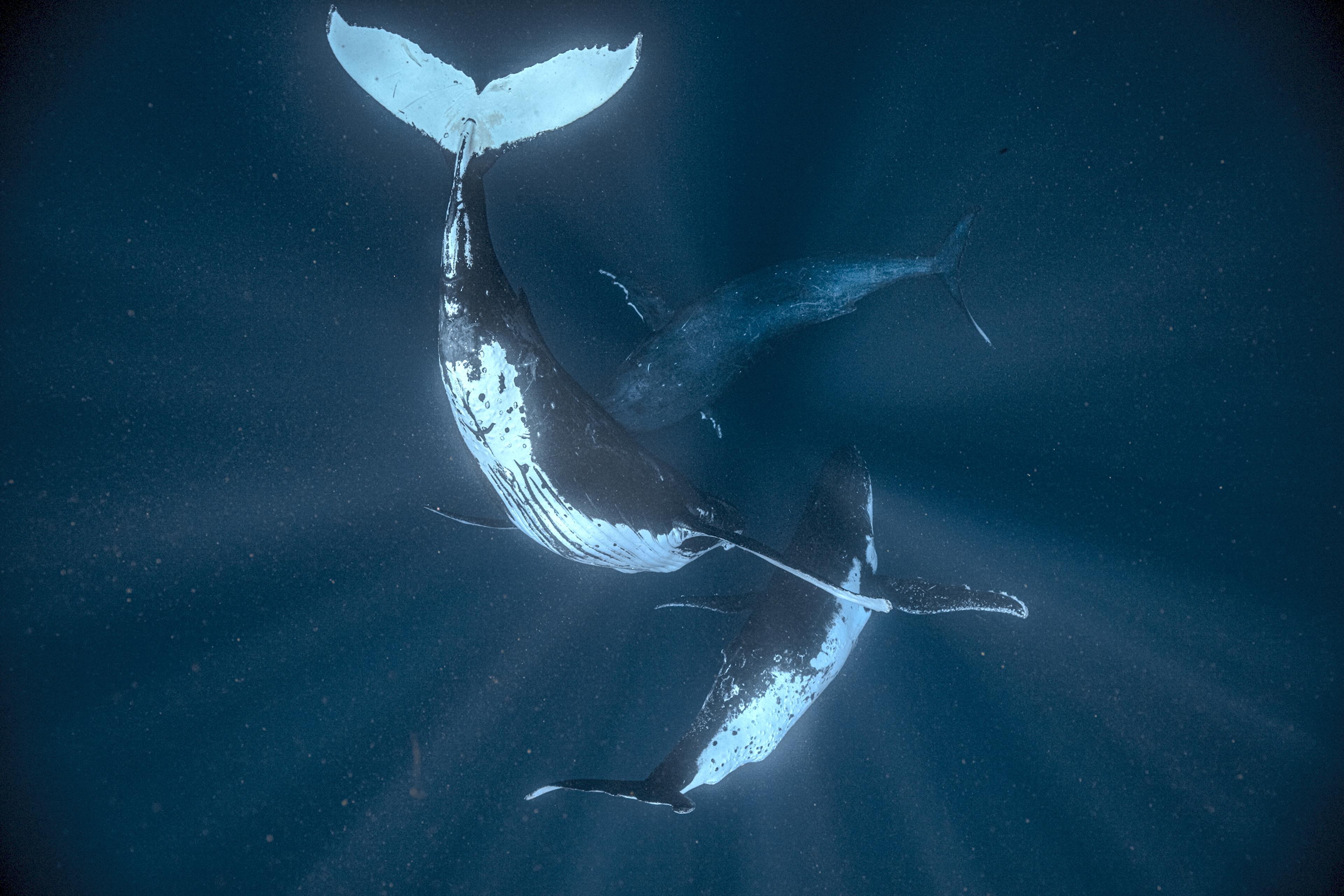
Photo of three humpback whales swimming underwater in a dark blue ocean, illuminated by sunlight filtering through the water.
MUSIC

I learned to hear the music of Earth’s underwater musicians

If we consider the sounds of whales and other organisms with an open mind, we find a strange beauty – and can even join in

by David Rothenberg

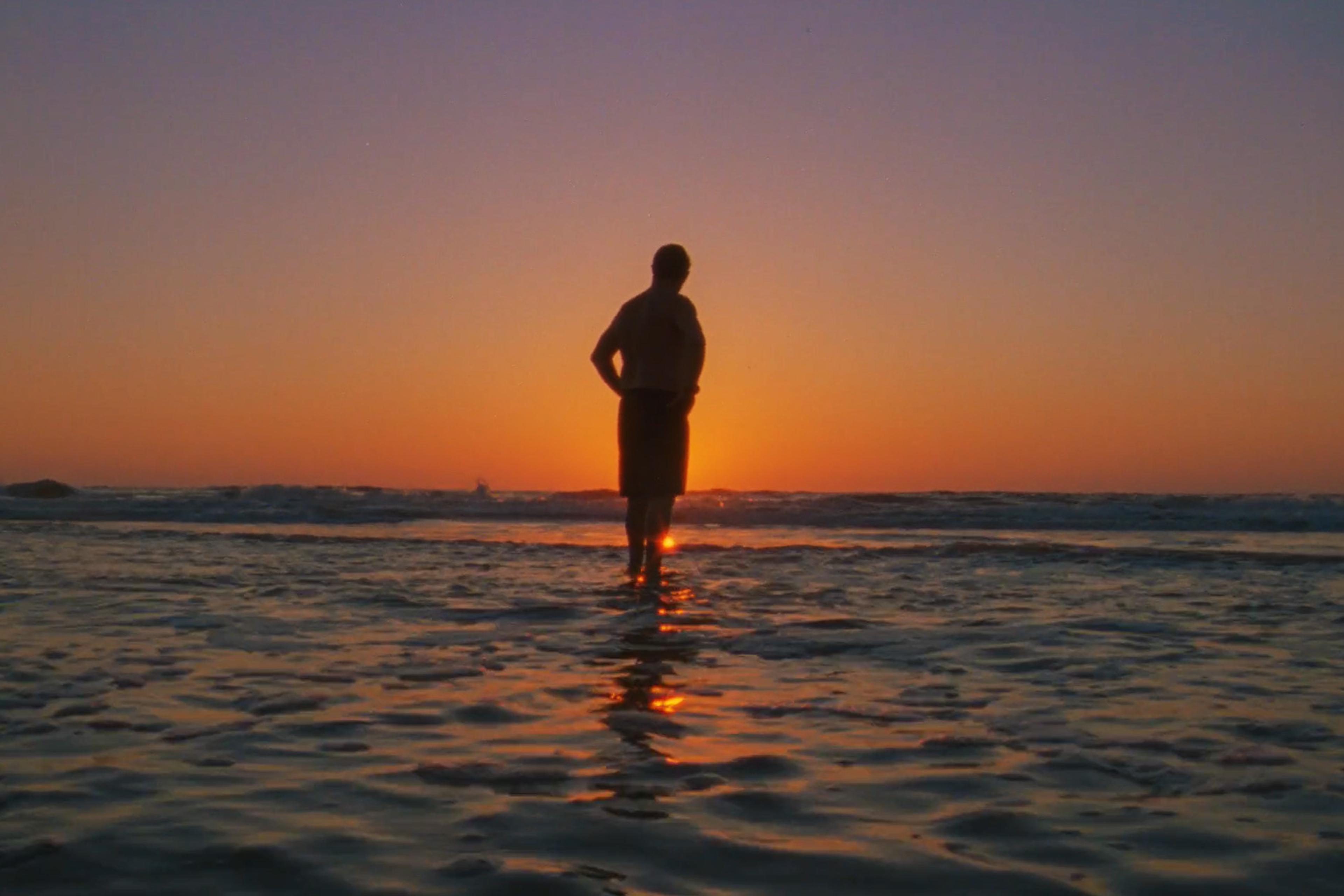
A person stands on the shore, watching the sunset over the ocean, with the sky in vibrant shades of orange and purple.
PLACE

Grounded by a sailing injury, Arthur still finds solace in the Irish Sea

Directed by Leonn Ward

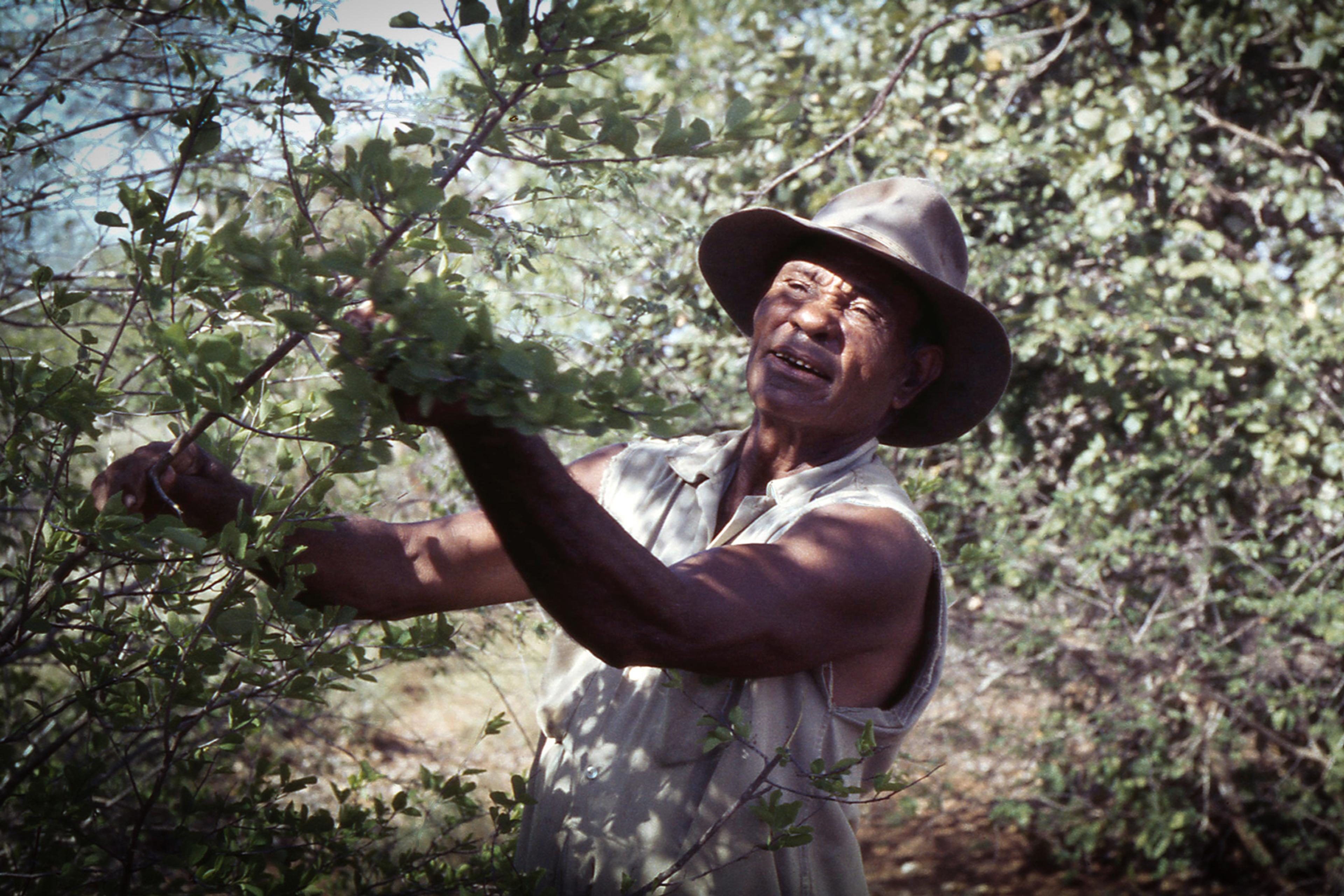
A man in a sleeveless shirt and hat working in a dense, leafy forest or thicket, looking focused on the task at hand.

What Aboriginal people know about the pathways of knowledge

For Aboriginal peoples, knowledge is specific to cultures: what is true and relevant for one might not be so for another

by Stephen Muecke

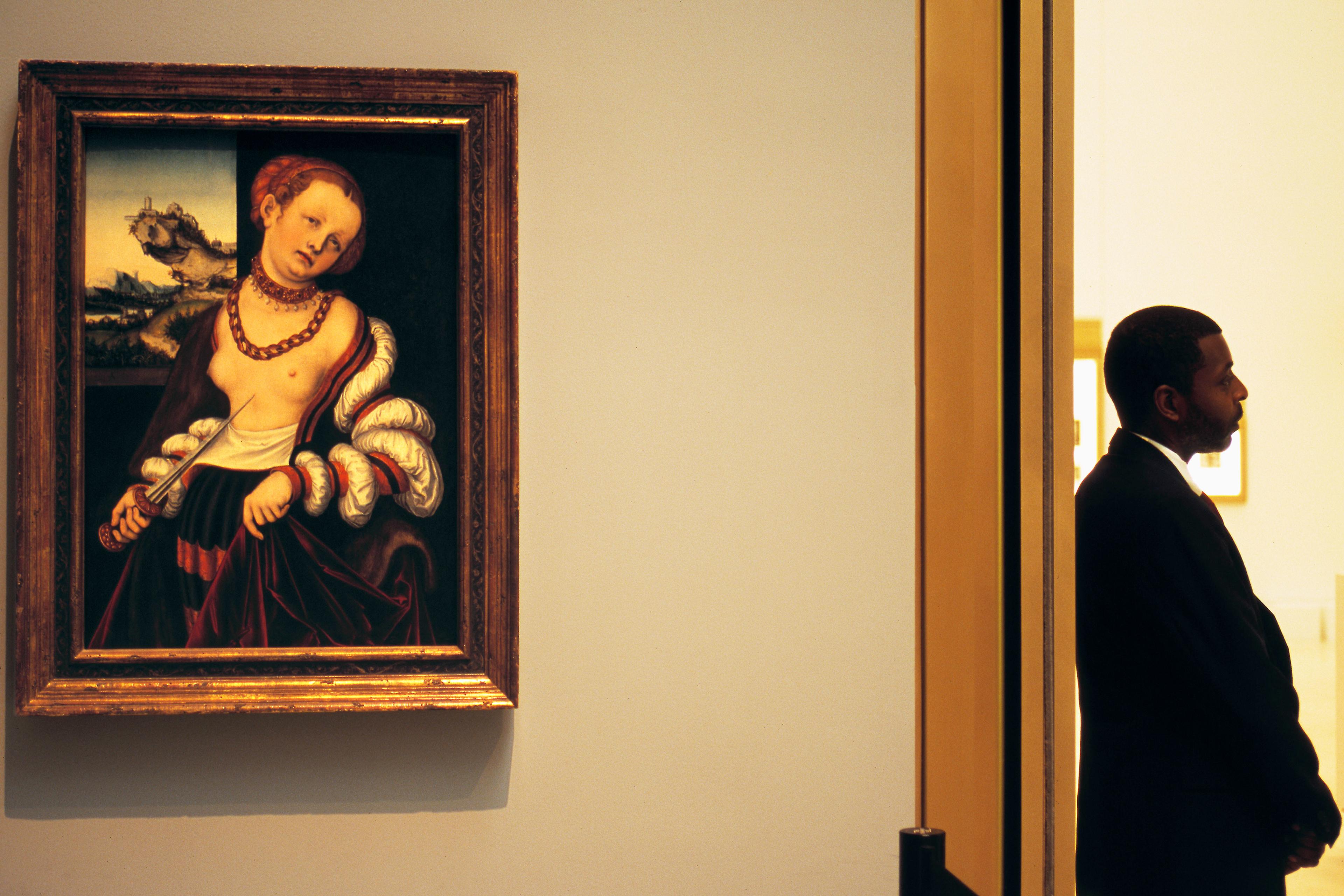
A painting on a wall with a man in a suit standing in profile beside a doorway in an art gallery.

Embrace the monotony

A museum guard’s tale of long, slow hours on the job changed how I think about seemingly empty stretches of time

by Hannah Seo

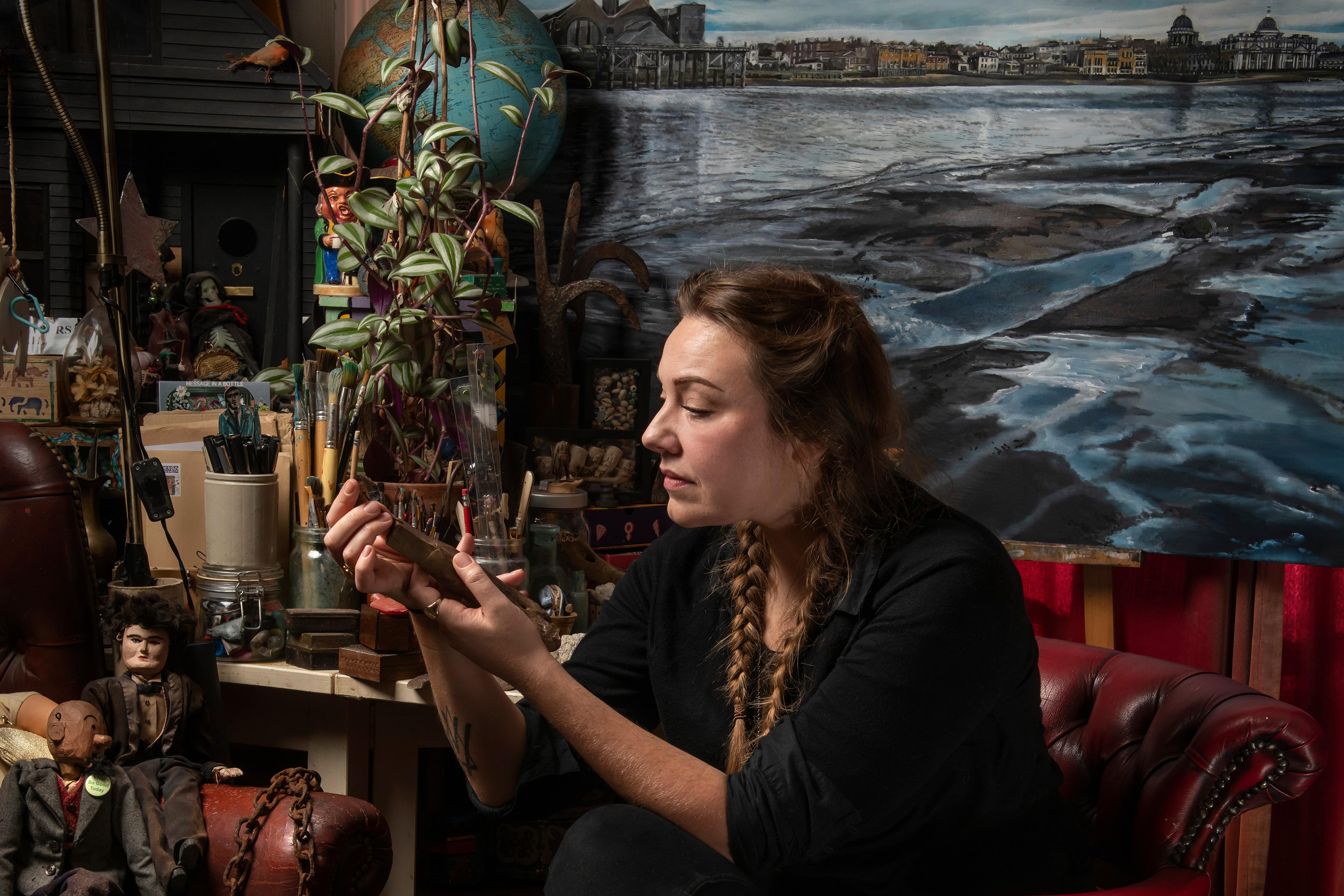
A woman in an art studio examining a small object surrounded by paintings, plants and art supplies.

The mudlark

After a lifetime of collecting artefacts from strangers’ lives, I’m finally ready to face my own past

by Marie-Louise Plum

Photo of a river with gravel banks winding through a red autumn landscape, mountains in the background under a cloudy sky.

What does water want? Most humans seem to have forgotten

Asking what water wants sounds a bit mystical, even radical. But it’s a practical, proven path to creating a better world

by Erica Gies

Photo of two people standing in a purple haze between large columns in a vast, ethereal space.

In the bustle of the city, we need more pockets of serenity

Stillness shouldn’t be something you only find in nature. Well-designed urban spaces can be good for the nervous system, too

by Zsanett Ritli