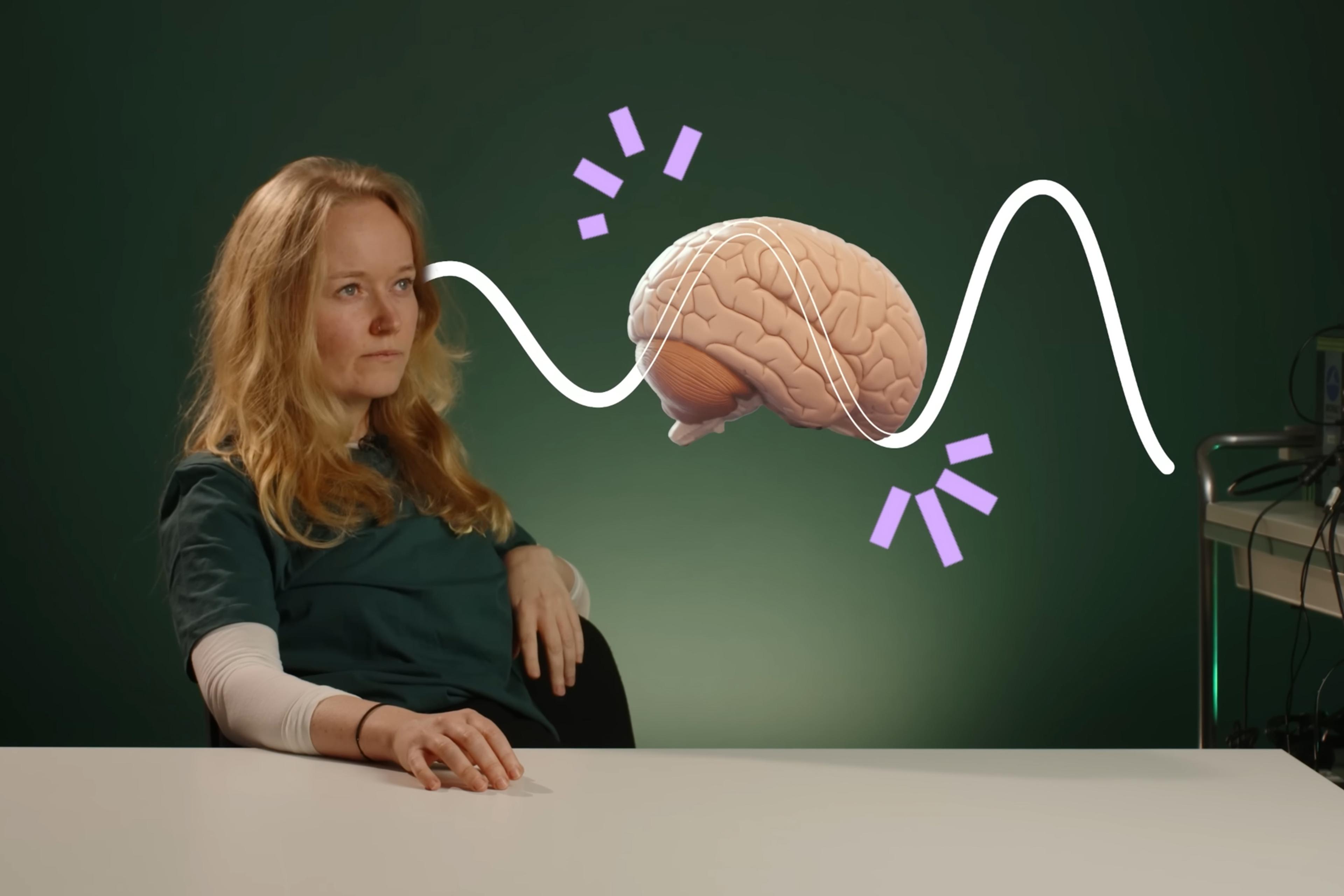
Cramming before exams, rereading notes obsessively and highlighting entire textbooks may feel productive, but research suggests these popular study strategies often fail to deliver lasting learning. Drawing on insights from the US cognitive psychologists Elizabeth and Robert Bjork, as well as the results of a study from 2006 involving surgical residents, this short explainer from TED-Ed breaks down how, what and when to study for stronger retention. It also reframes forgetting not as failure, but as a process that can deepen long-term recall by forcing the brain to work harder during retrieval. By understanding these evidence-based principles, students can work with their brain’s natural processes rather than against them, transforming studying from a stressful grind into a more efficient practice.
For more on how to study effectively, explore this Psyche Guide.