NOTE TO SELFEMOTIONS

Why kama muta is an emotion worth seeking

Listen to this article

A bearded person gently cradling a newborn wrapped in a patterned blanket by a window in soft light.

On a beautiful day in early summer, four friends and I decided to picnic and paint in the park. We brought along small squares of watercolour paper split into quadrants, sat in a circle, and took turns painting how we saw each other. These depictions could be abstract or literal: one person did colour swatches of how they interpreted your aura, another person painted objects representing your hobbies and passions. At the end, I got my paper back with four painted interpretations of myself, each done by a different friend.

As I looked at these artistic renderings and considered the close attention my friends had paid me to complete them, I felt a warm swell of emotion and got a little choked up. In that moment, I couldn’t quite define the feeling. It wasn’t exactly joy, nor was it appreciation or pride, but something else. Later, I found the answer in a psychology research paper: it was kama muta.

About a decade ago, the anthropologist Alan Fiske saw a gap in the English language. There was no general term for the emotion of being moved or touched by moments of sharing and connection – such as when you hold a baby for the first time, listen to a loved one’s eulogy, or feel profoundly linked to others at a religious or social gathering. Moments like these can produce a warm and fuzzy feeling, sometimes accompanied by tearing up, getting choked up, or the urge to go ‘aww’. Fiske and his colleagues labelled it kama muta, derived from a Sanskrit term that means ‘moved by love’. Experiencing this positive emotional response, they argue, helps to motivate continued engagement in the relationships that spark it.

For me, knowing about the power of kama muta is a useful nudge toward greater bonding in my relationships. Now I look for opportunities to cultivate it where I can, as my friends and I did that day in the park – sharing care and attention so freely that it moved us.

by Hannah Seo

FIND OUT MORE

Alan Fiske describes kama muta further, including how it differs from love, in the Aeon article ‘Kama Muta: A New Term for That Warm, Fuzzy Feeling We All Get’ (2019).

If you’d like to go deeper on the scientific research about kama muta, you can check out a recent review on the subject by Fiske and colleagues in the Annual Review of Psychology.


True contact is found in silence

Black and white photo of a man and woman sitting under an umbrella; the woman leans on the man’s shoulder.

When I was an adolescent, time spent with my first girlfriend – a title very quickly rescinded – was as exhilarating as it was onerous. The cause of the former was straightforward, but that of the latter was specific to that juncture in my life: I felt that a beat of dead air was a solemn mark against me, and every moment must be filled with witty and memorable words. Before our meetings, I would tabulate, sometimes physically putting to paper, all the interesting, intriguing, titillating things I could mention. I treated hanging out like a state examination. You can imagine why she lunged at the first opportunity to become an ex.

But we remained – and remain – close friends, and some time after our ill-starred relationship ended, something indelible happened: we had our first real silence. Late in a balmy summer night, conversation extinguished itself and, for some reason, nothing else was said. I’ve had a lot of beautiful silences since then, but it remains the most poignant.

I was reminded of this experience by Emil Cioran, the brooding and sardonic Romanian French philosopher, who was actually capable of stringing together witty and memorable words. ‘True contact between beings,’ he wrote, ‘is established only by mute presence, by apparent non-communication, by that mysterious and wordless exchange which resembles inward prayer.’

Silences between people, of course, have all sorts of meanings, and Cioran is far from the only philosopher to write about silence. But here he incomparably evokes the strange intimacy that inheres in the best kinds of silence. Perhaps the next time you are fortunate enough to inhabit this kind of silence with someone important to you, you’ll think of ‘true contact’.

by Sam Dresser

FIND OUT MORE

The delightful Psyche Video ‘Le Mots de la Carpe’ by the French animator Lucrèce Andreae shows how silence can be path to love in the cacophony of speed-dating.

For more on Cioran’s minimalist approach to life, see the Psyche Idea ‘Learning to Be a Loser: A Philosopher’s Case for Doing Nothing’ (2023) by Costica Bradatan.


NOTE TO SELFEMOTION REGULATION

Seeing all the parts of a tough situation

An adult and child looking at Santa inside a large snow globe with snowy trees at dusk.

When I’m going through something stressful, I have a strong urge to think out loud about it with someone I trust. There are probably several reasons I end up feeling better: my listener helps me avoid catastrophic thinking, or reminds me that they have my back if things get worse. But another likely reason is that having the chance to describe a difficult situation in detail – even if you’re just describing it to yourself, as in a journal – invites you to see the full picture, and in many cases, it’s not all bad.

Research by Christian Waugh and colleagues at Wake Forest University in North Carolina underscores this and highlights its potential for helping us manage our emotions. They focused largely on people’s experiences during the COVID-19 pandemic, based on data they collected then. When people reflected on a stressful experience they’d been having, and were prompted to describe six specific elements of the situation, they tended to list at least one that was positive (such as spending more time with family during the pandemic). Having more positive elements in the list was associated with feeling less negative and more positive emotion following the task. Taking some time to elaborate on one of the positive aspects seemed to help people feel better, too.

It can be annoying to be told to ‘look on the bright side’ or ‘find the silver lining’. But personal trials often come with opportunities for growth or self-insight; grief or separation sometimes lead to new connections; and even mundane sources of frustration (a traffic jam, say) can contain small points of pleasure or relief (enjoying a song on the radio that you would’ve missed). Where there are such leavening factors, taking a moment to talk or write about the experience could help us make the most of them.

by Matt Huston

FIND OUT MORE

To learn about other accessible means of managing emotions, start with this Psyche Idea written by Christian Waugh himself: ‘Asking One Simple Question Can Entirely Change How You Feel’ (2022).

In an episode of the Speaking of Psychology podcast (produced by the American Psychological Association), the psychologist James Pennebaker talks about his research on expressive writing and how it makes people feel better.


NOTE TO SELFJOY

A way to enjoy more positive mental images

A person drinking next to a large poster depicting steaming coffee cups on a green background.

I spotted an old beach ball in my shed the other day and I was suddenly transported to a joyful memory of running and splashing with my children on the sand at low tide. Psychologists call this ‘positive involuntary mental imagery’ – and they’re testing out ways to deliberately seed more such images (not least because experiencing them is associated with being more optimistic and less depressed). It’s early days for the research, but there’s no reason why we can’t try out one of the methods for ourselves.

To give it a go, take some photos from your daily life, such as what you see when you first get up in the morning; your trip to work; or from a typical evening out. Next, for each photo, combine it in your mind with a positive word, such as ‘pleasant’, ‘success’ or ‘triumph’, to create a completely new imagined scene. For instance, say you took a photo of your morning coffee cup. You’d look at the photo and, to combine it with the word ‘pleasant’, you could create a mental image of yourself sitting by a campfire with friends, savouring a hot chocolate from the mug. The idea is that when you encounter the real objects in the photos – such as your morning coffee cup – it serves as a trigger for the associated imagined scene while you go about your daily life.

A team led by Mahdi Bagheri at Ruhr-Universität Bochum in Germany – and including the Psyche author Simon Blackwell – enjoyed modest success with this very approach in a recent study published in the journal Memory. They think one trick to boosting the technique’s effectiveness is choosing the right photos – distinct enough to create a memorable association with the positive mental image you created (for the example above, try photographing your mug from an unusual angle), but not so unusual that you never actually encounter the trigger in your daily life.

by Christian Jarrett

FIND OUT MORE

Simon Blackwell’s Psyche Idea ‘It’s Possible to Help More Positive Images Pop into Your Mind’ (2021) provides more background on the science of positive involuntary mental images and ways to induce them.

For a broader overview, this article in The Psychologist looks at the research into involuntary autobiographical memories.


I’m trying a different approach to listening

Two colourful birds on a branch one with wings spread against a blurred background.

Lately, I’ve been trying to be a better listener by using Carl Rogers’s technique of ‘unconditional positive regard’ (UPR), an idea I learned about on a recent psychology course. UPR refers to nonjudgmental acceptance of, and care for, a person – regardless of whether you agree with the things they say, think and do. It doesn’t suggest that you ignore or permit harmful behaviour, only that an individual should not have conditions they need to meet for them to be worthy of warmth and support.

When I first heard about UPR, it struck me that one reason it might be so powerful is that we very rarely come across this nonjudgmental approach in our daily lives. From socialising to contributing in meetings, it can often feel as though we’re being assessed in various ways. I thought about how comforting it is when you know you’re being held in a positive regard that isn’t going to waver, even if you have an off day or make an error – and whether this was something I could more intentionally foster for the people around me.

In practice, this has meant resisting the urge to jump in with advice, which I’ve noticed is often infused with judgment, and attempting to listen without necessarily looking for a solution. It’s revealed more of my own biases and thought patterns – such as the way I sometimes default to ‘I would/wouldn’t have done X’, rather than understanding where the other person is coming from. It’s meant asking more questions and being increasingly mindful of my nonverbal communication, such as avoiding facial expressions that communicate surprise or disagreement. Granted, I fail every day to uphold the aims of UPR, but the process of attempting it has increased my capacity for compassion – and a happy side-effect is that I seem to judge myself a little less now, too.

by Molly Williamson

FIND OUT MORE

The Psyche Idea ‘Why Listening Well Can Make Disagreements Less Damaging’ (2024) by Guy Itzchakov provides a summary of research showing how high-quality listening, incorporating a nonjudgmental approach, can reduce extremist and prejudiced views, encouraging more nuanced and complex beliefs.

For a reflective personal account on using Rogers’s theories to become a better listener, try the Aeon Essay ‘The Art of Listening’ (2022) by M M Owen.

Explore more

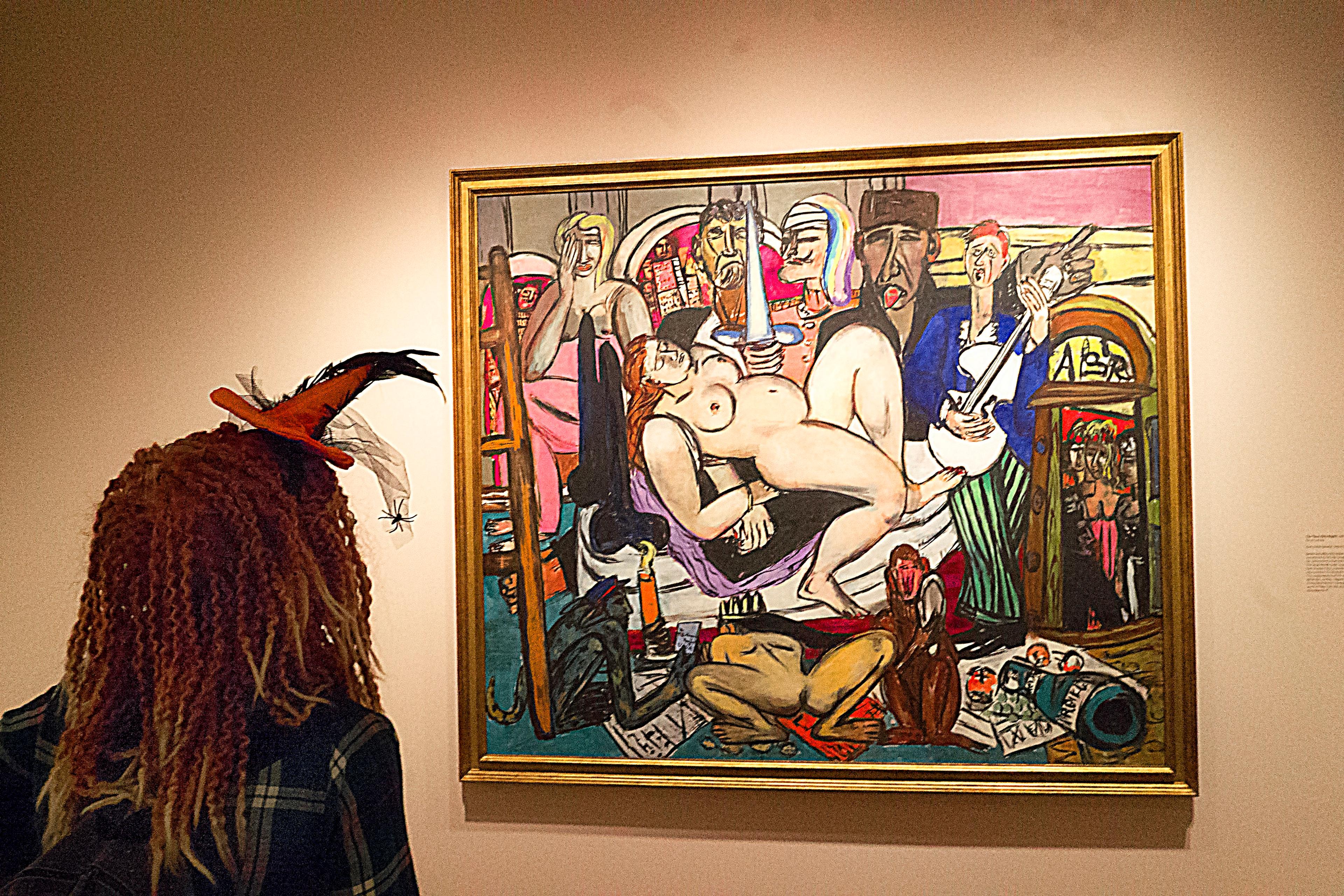
Person in a hat with feathers admires a colourful painting in a gallery.

Why art seems more beautiful when you can see yourself in it

Research suggests that people find artworks more aesthetically pleasing when they’re personally relevant to them in some way

by Matt Huston

Photo of a man admiring a large stained glass artwork with vibrant blue and yellow hues depicting various figures and animals.

Beauty is not an ornament to the good life, it is at its heart

Why does the hand want to draw what the eye sees as beautiful? Why do we respond to beauty by creating the beautiful?

by Nick Riggle

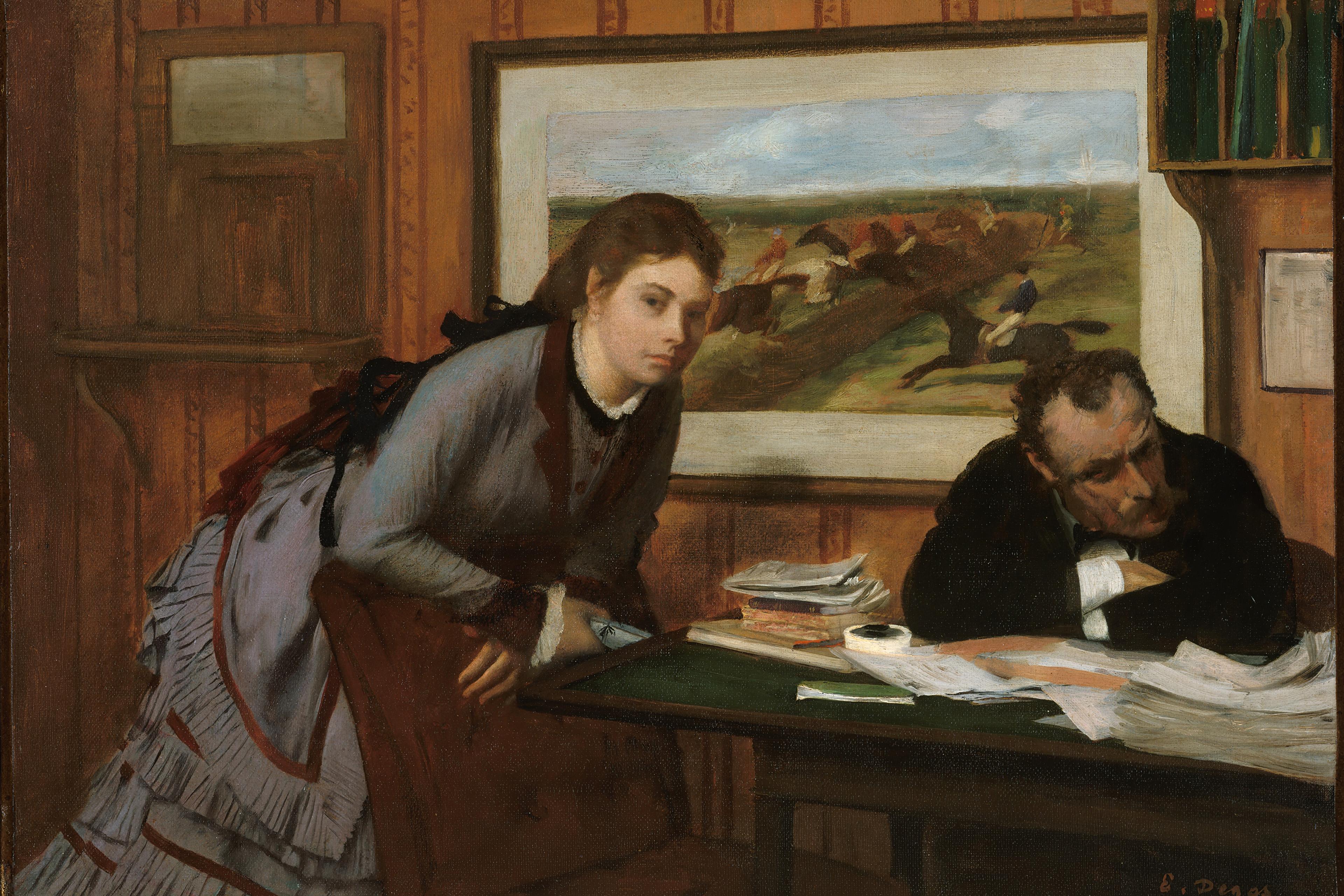
Painting of a woman leaning over a seated man at a desk with papers, a horse race painting in the background.

Why is there such a thing as ‘true love’ but not ‘true grump’?

What makes an emotion feel true? And how is that connected to your true self? New insights on old philosophical puzzles

by Shayla Love

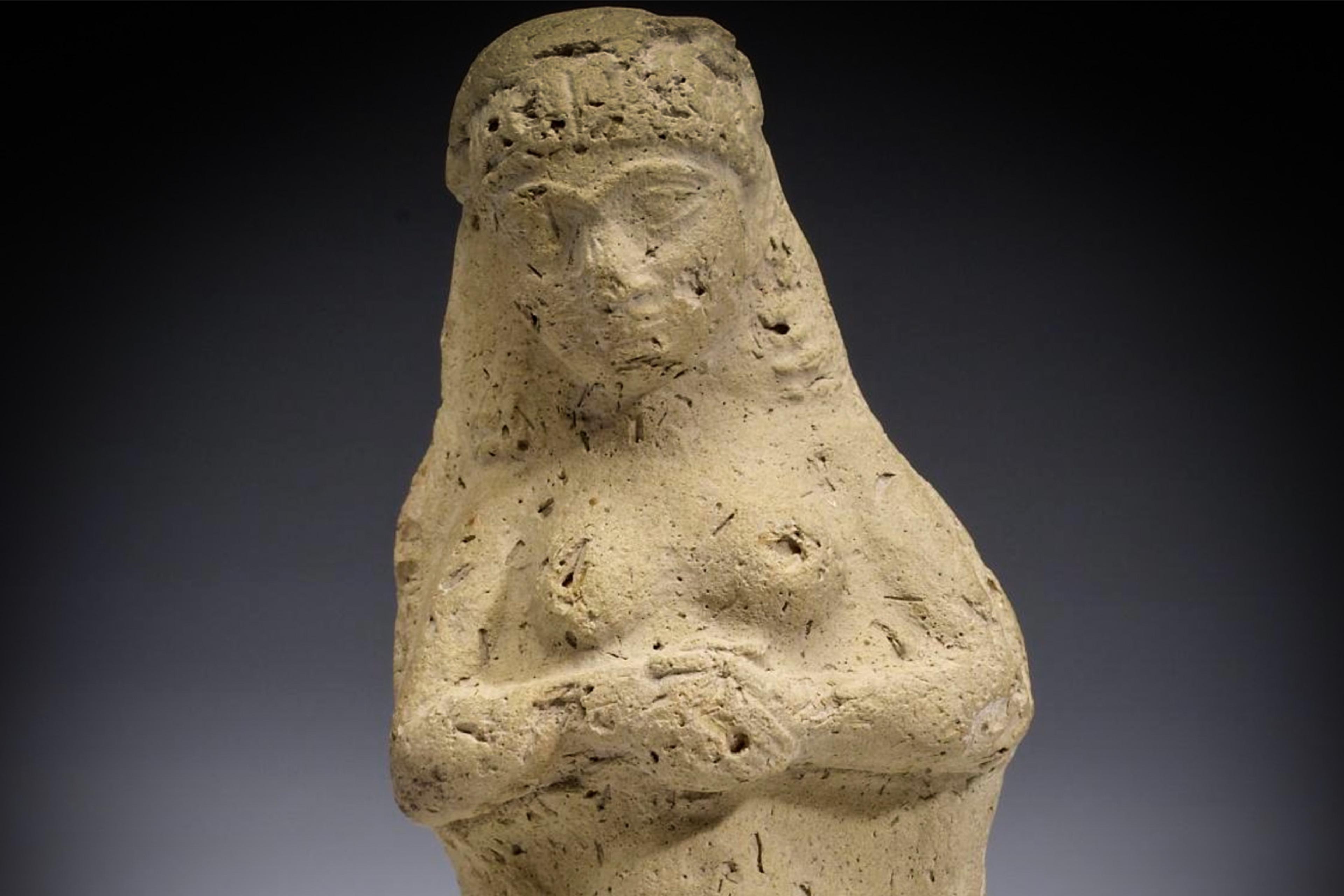
Ancient clay figurine of a woman with a veil, arms crossed. The surface is textured. Image shows a simple, worn design.

To ancient Assyrians, the liver was the seat of happiness

Cutting-edge computational techniques are shedding light on how the emotional experiences of past cultures compare to ours

by Juha Lahnakoski & Ellie Bennett

Photo of a person standing by a mountain lake with a bench nearby, surrounded by lush green mountains under a clear sky.

Empathy is, at heart, an aesthetic appreciation of the other

Empathy is an aesthetic practice that relies on our capacity to delight in, and respond with reverence to, the world around us

by Susan Lanzoni

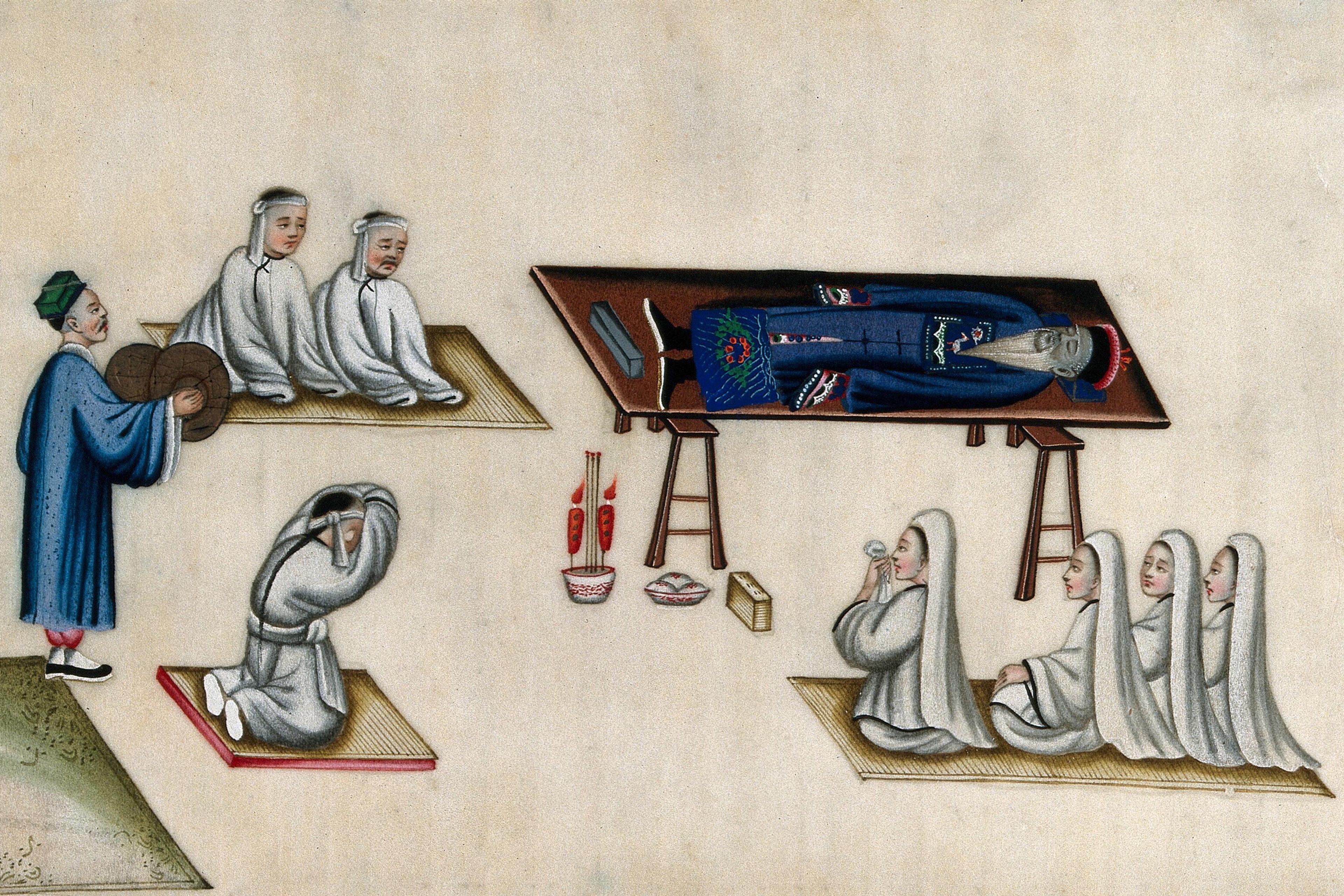
Painting of a traditional Chinese funeral, people in white robes mourning around a deceased figure on a table.

Rituals create community by translating our love into action

For the Confucian Xunzi, love and gratitude are not just feelings in response to events but possibilities for social action

by Curie Virág

Photo of sunlit green leaves and branches against a bright blue sky.

The most profound wonder is stirred by what is most ordinary

Rare moments of wonder at the mere existence of things – rather than the dramatic or new – involve perceiving with the soul

by Maria Balaska

Black and white photo of a person with headphones on eyes closed hands raised appearing to enjoy music.

How to enjoy your problems

Accepting your problems is one thing. To enjoy them? Well, that’s pretty much enlightenment. Here’s how to get there

by Chelsea Harvey Garner