
A common misunderstanding about genetics
People’s misunderstanding of terms like ‘heritability’ shows how important it is to communicate science carefully
by Alice Gregory
People’s misunderstanding of terms like ‘heritability’ shows how important it is to communicate science carefully
by Alice Gregory
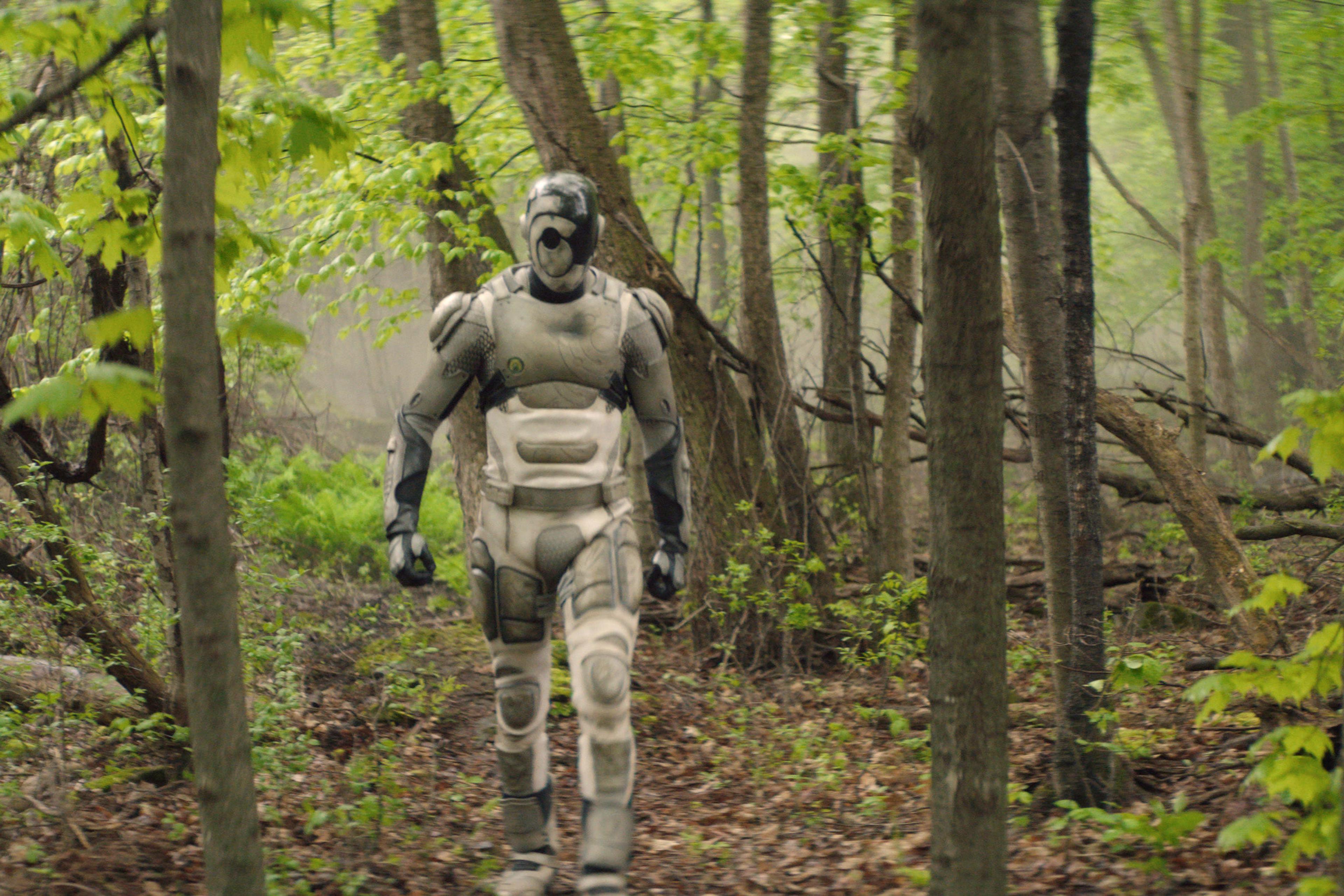
Why I’ve started describing my feelings in the style of Murderbot, a half-human construct from Martha Wells’s sci-fi series
by Christian Jarrett

Chatbots make us feel uniquely seen and heard, but then the ‘empathy gap’ kicks in and the relationship turns sour
by Joe Mullich
Traditional and tech-based methods can reveal what your practice is doing – and give you the confidence to stick with it
by Matt Fuchs

For many who are chronically connected, a break from tech sounds appealing. Research is uncovering when and how it helps
by Kostadin Kushlev

Constant access, near-perfect memory, analytic reach – ChatGPT provides things a therapist never could
by Sabela Guravich

Campaigns calling for smartphone-free childhoods might be well meaning, but the choice is not so simple for all families
by Alice Gregory
Use AI thoughtlessly and it dulls your mind. But with a strategic approach and the right prompts, it can be a powerful tool
by Nick Kabrel

Unable to handle uncertainty, AI mimics the narcissistic compulsion to fill voids with plausible but false narratives
by Jennine Gates
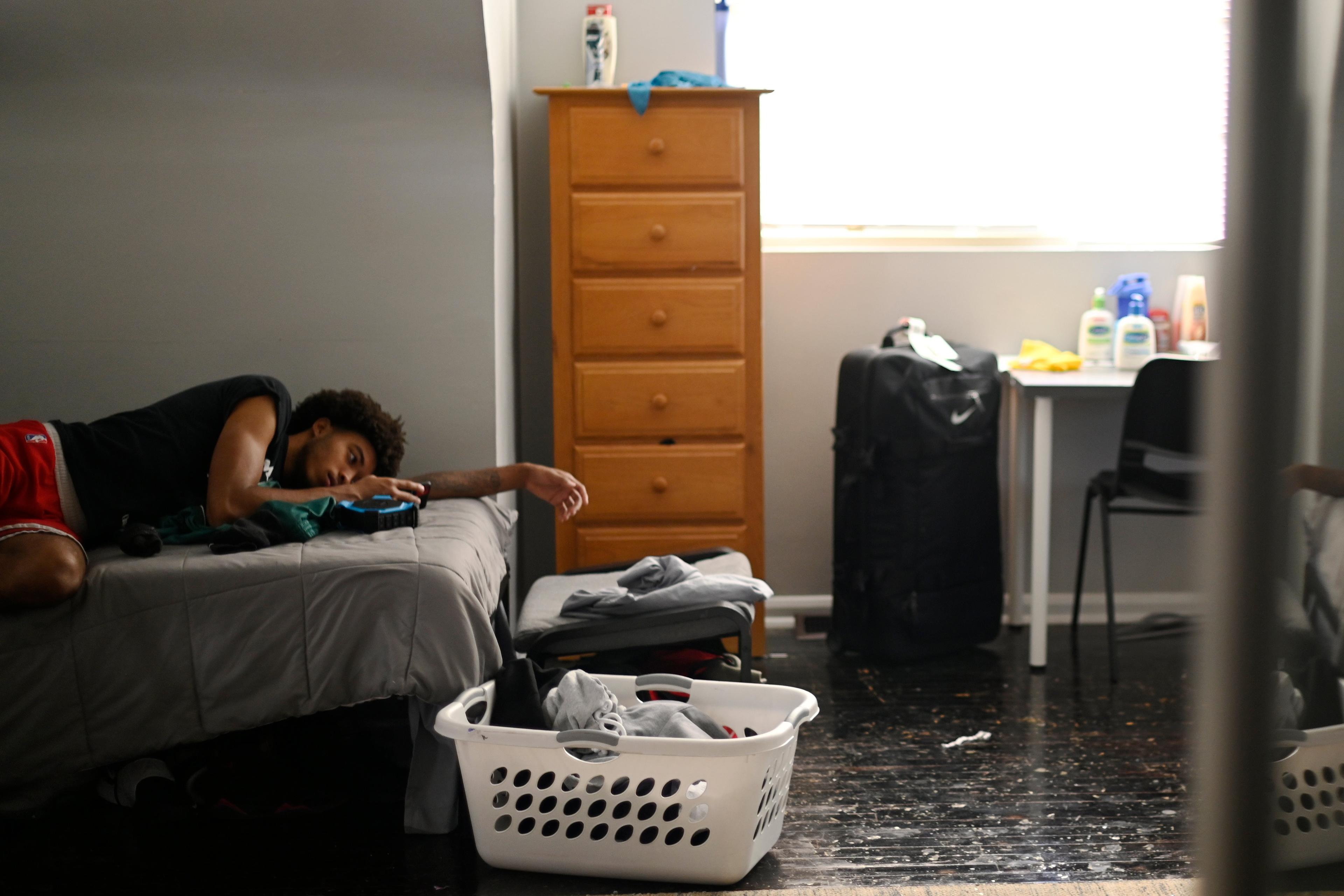
As a resident tutor, I’ve seen how students are using AI as more than a tool. It’s a psychological shift we’ll soon all make
by Rhea Tibrewala

After leaving my phone behind for a week and coming back to it, I saw my social media use in a stark new light
by Tamur Qutab


Video by Psyche

In the social media age, it seems impossible not to measure ourselves against others – but we can dodge the worst pitfalls
by Wojciech Kaftański
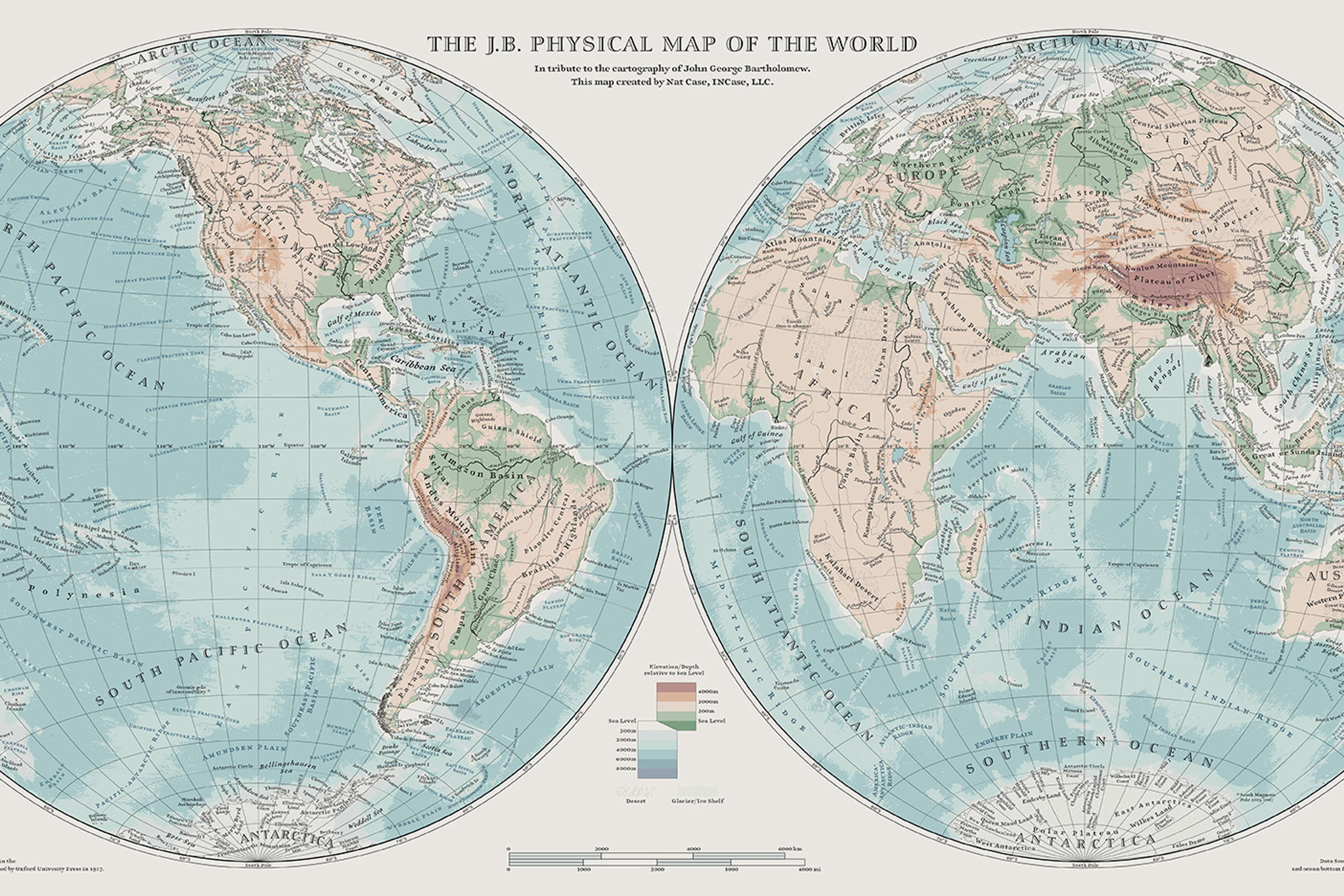
Rendering the world in a responsible way means wrestling with what gets depicted on a map, how, and for whom
by Nat Case

Cars are filled with ever more communication and entertainment tech, but our minds are stuck with the same limitations
by Robert Rosenberger