Psychoanalysis and the unconscious
Articles, Films and practical Guides on psychoanalysis and the unconscious, part of Psyche’s coverage of therapies and practical advice.
How to reconnect with your inner child
The experiences you had as a child influence your emotional life as an adult. Recognising these dynamics can be healing
by Nickan Arzpeyma
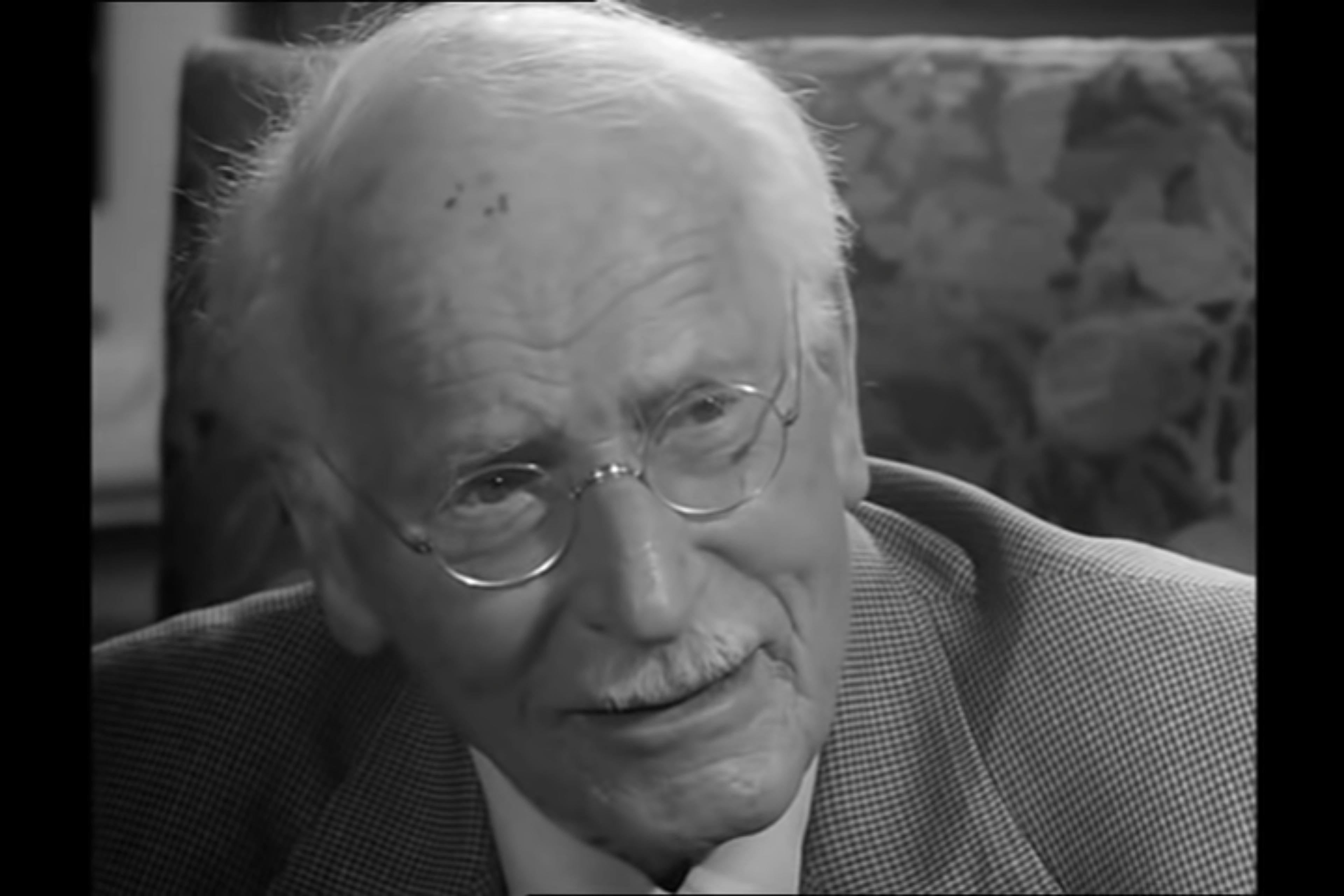
‘Man cannot stand a meaningless life’ – a conversation with Carl Jung at 84
Video by Face to Face

How I became a psychoanalyst by losing my keys
What are we really doing when we sit in a room with our patients and exchange some words?
by Jordan Osserman
Men’s anxiety about hair loss can have a deeper meaning
As a psychoanalyst, I’ve seen how reflecting on the emotional symbolism of hair loss can be therapeutic for many men
by Tom Wooldridge
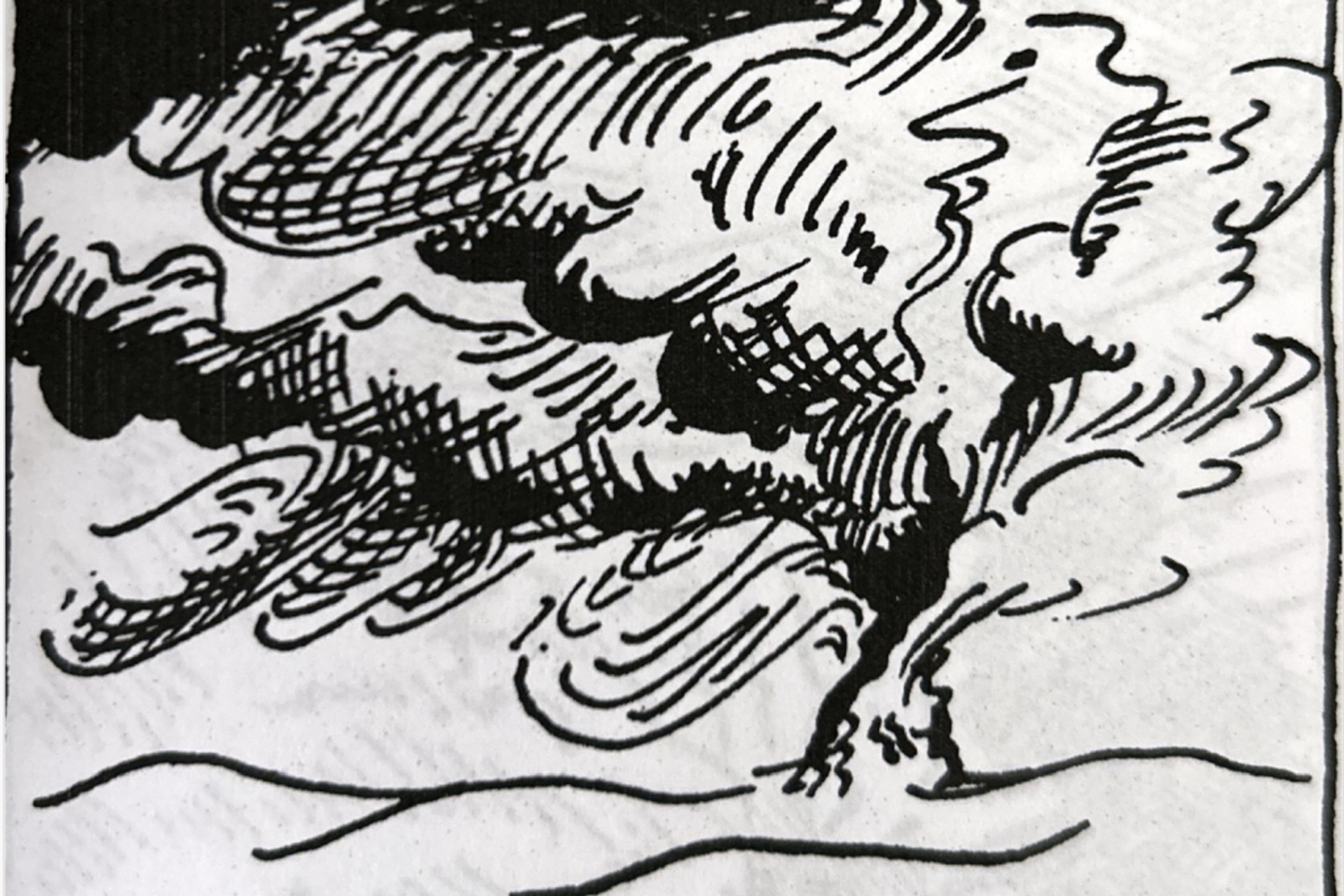
Why bad doodles can reveal more about you than good drawings
For Marion Milner, ‘not being able’ is a valuable state – one that allows for new and unexpected forms of learning
by David Russell

Three ways to get in touch with your Shadow self
Jung believed we all have a Shadow self. Facing up to it could help you live more fully and be more forgiving of others
by Ruth Williams
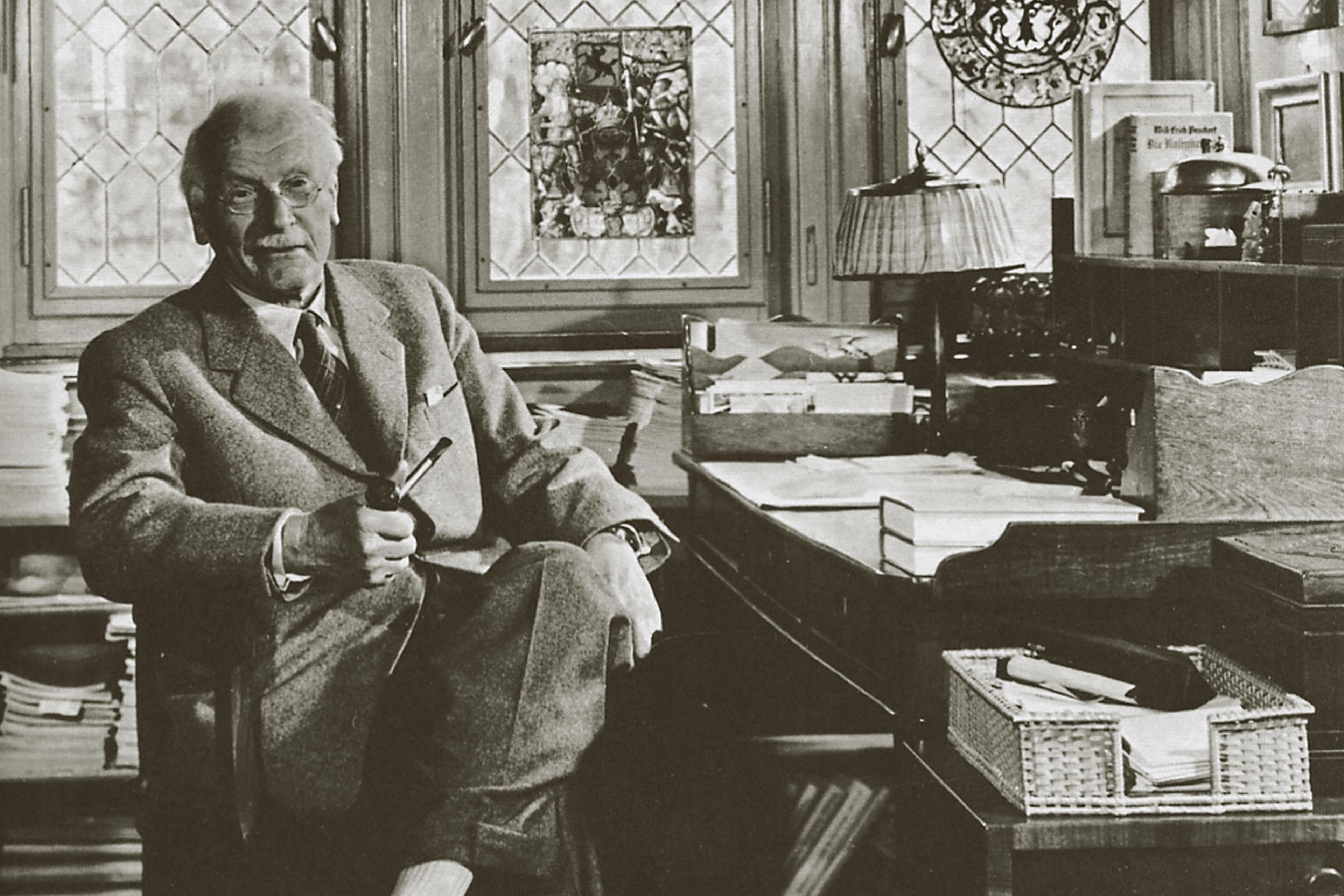
For Jung, architecture was a tool to represent the psyche
Carl Jung’s approach to architecture is a provocation: how are we creating spaces for the forgotten dimensions of our minds?
by David Borkenhagen
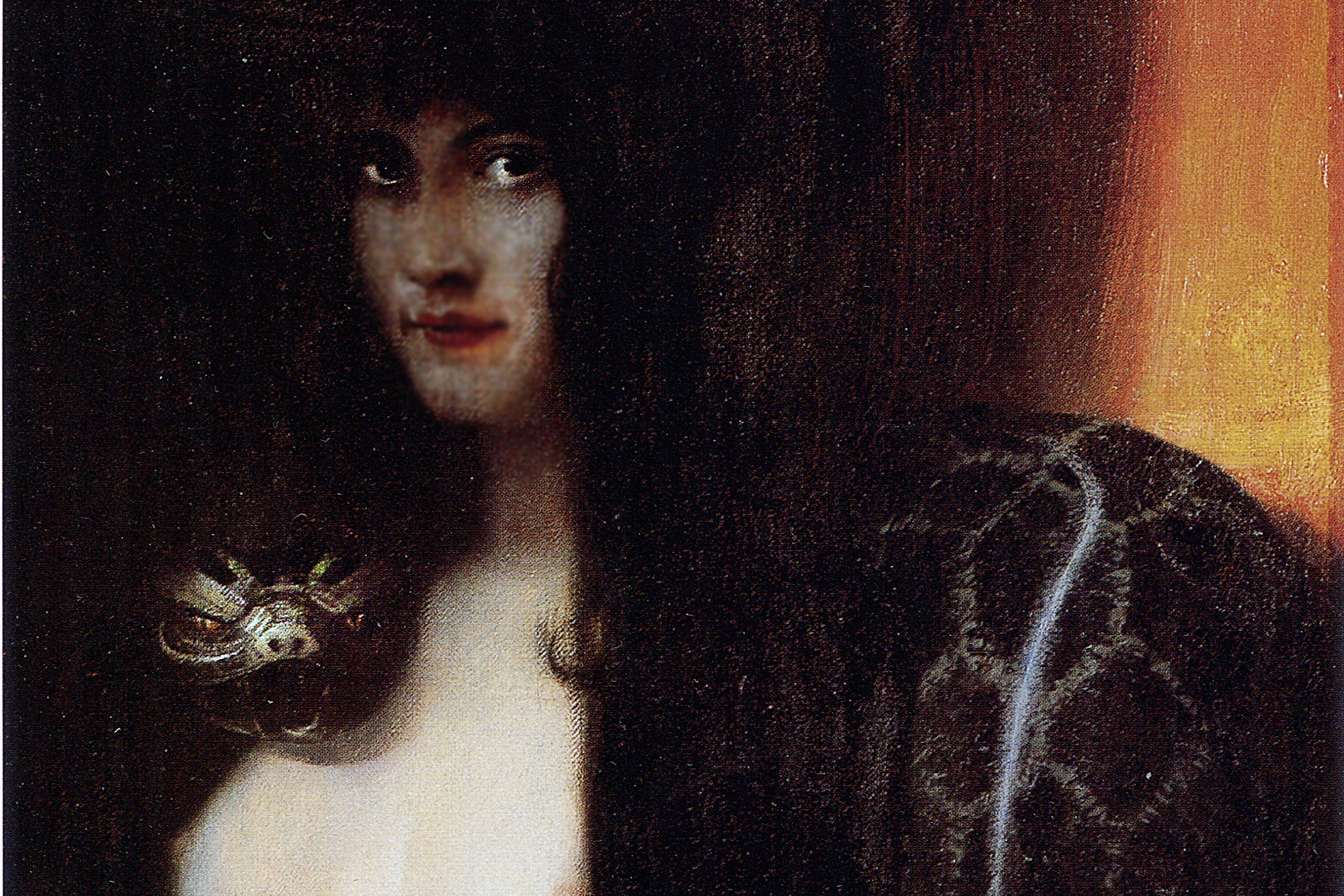
My take on ‘Venus in Furs’ as a modern-day dominatrix
My experiences as a 21st-century femdom echo the gendered themes that feature in Leopold von Sacher-Masoch’s 1870 novel
by Gia Marcos
The violence of suicide reverberates in, and through, us all
A psychodynamic perspective on suicide can help us all reckon more honestly with the interconnectedness of psychic pain
by Kyle Boyd
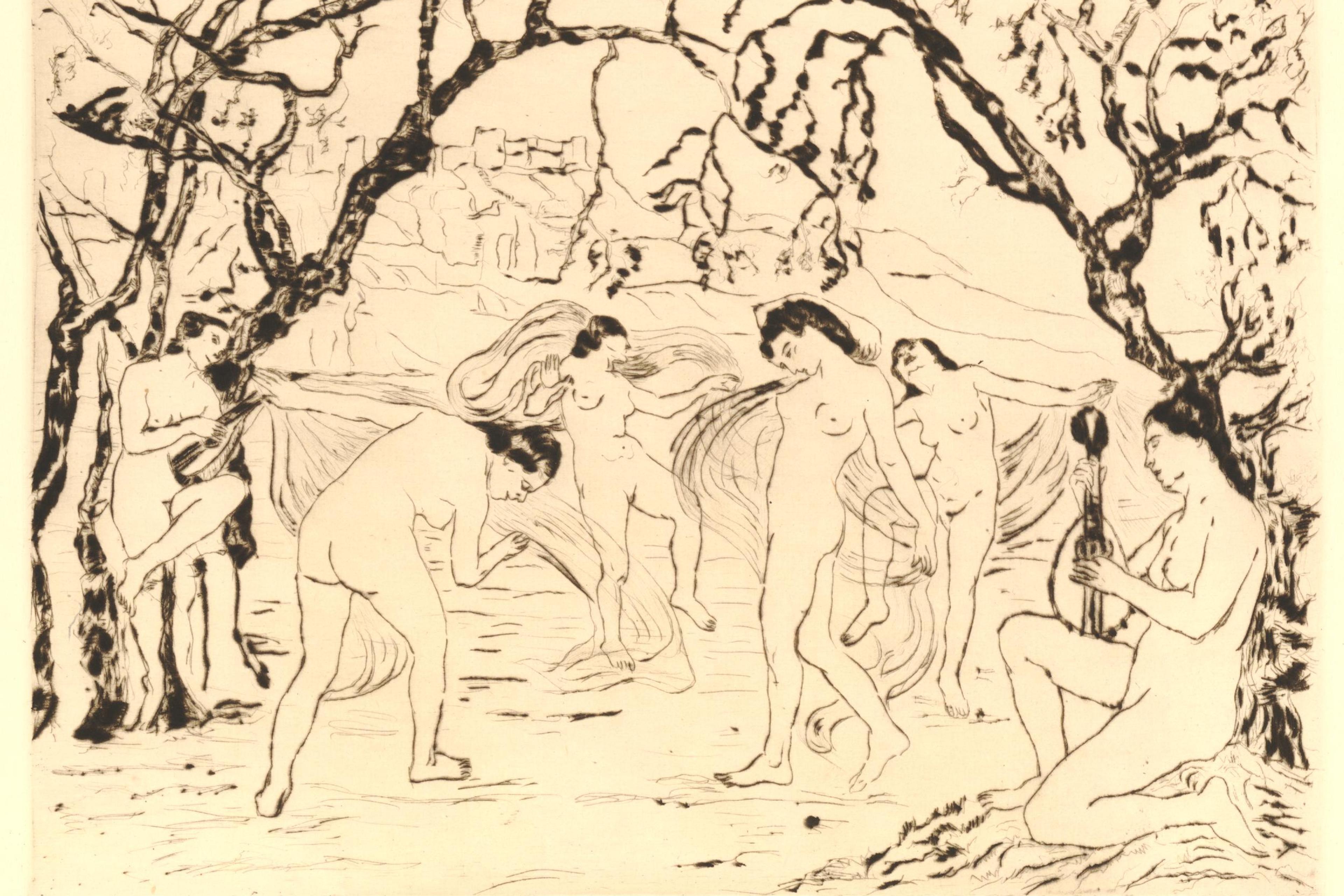
How a Viennese genius (not the one you think) understood penis envy
Karen Horney’s challenge to Freudian psychosexual theory helped me say ‘penis’ without flinching in my Cairo classroom
by Heba Yosry
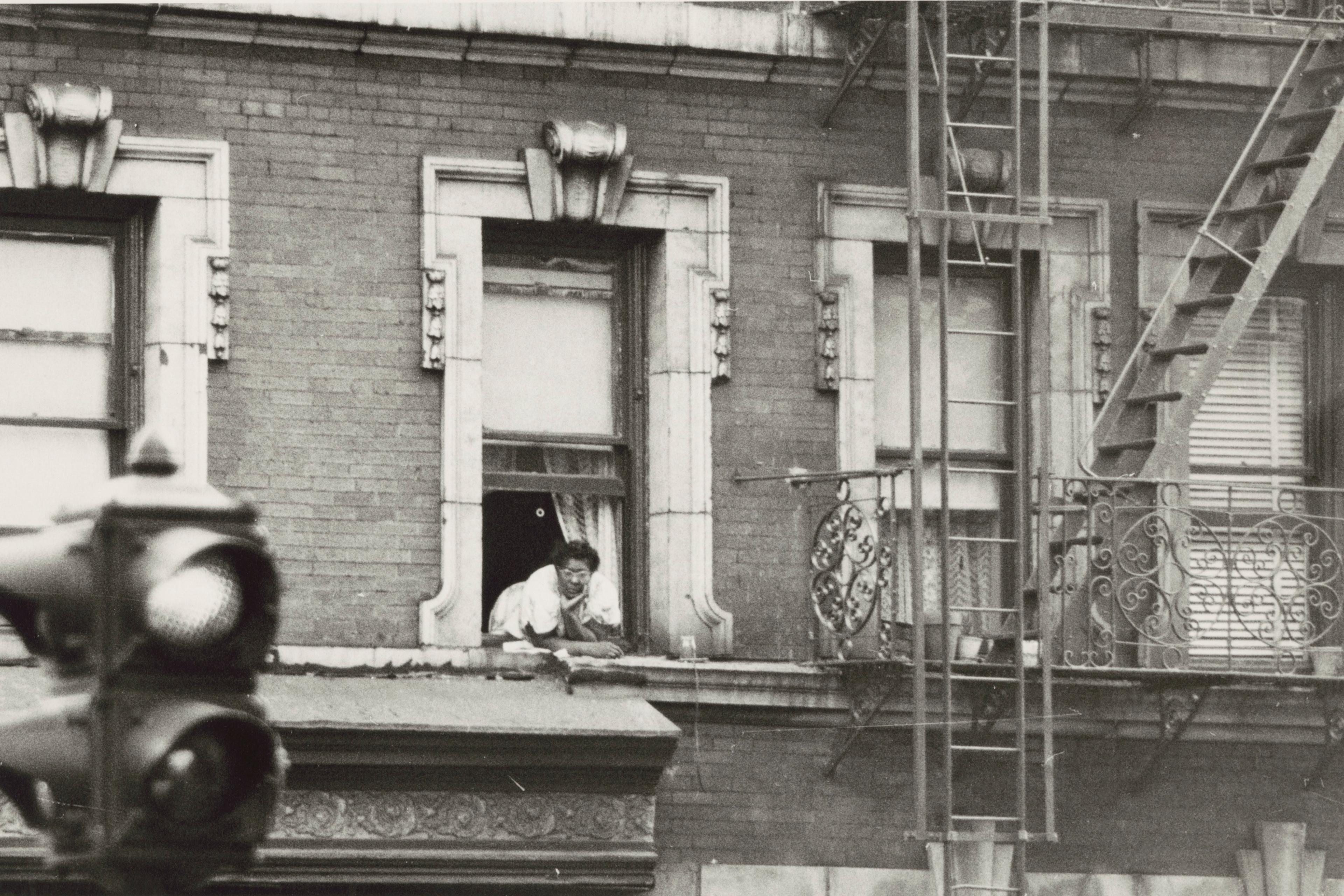
Can we diagnose suffering without knowing a person’s history?
Human bodies and mental states are always transforming. How can the DSM portray the full range of human suffering?
by Christos Tombras
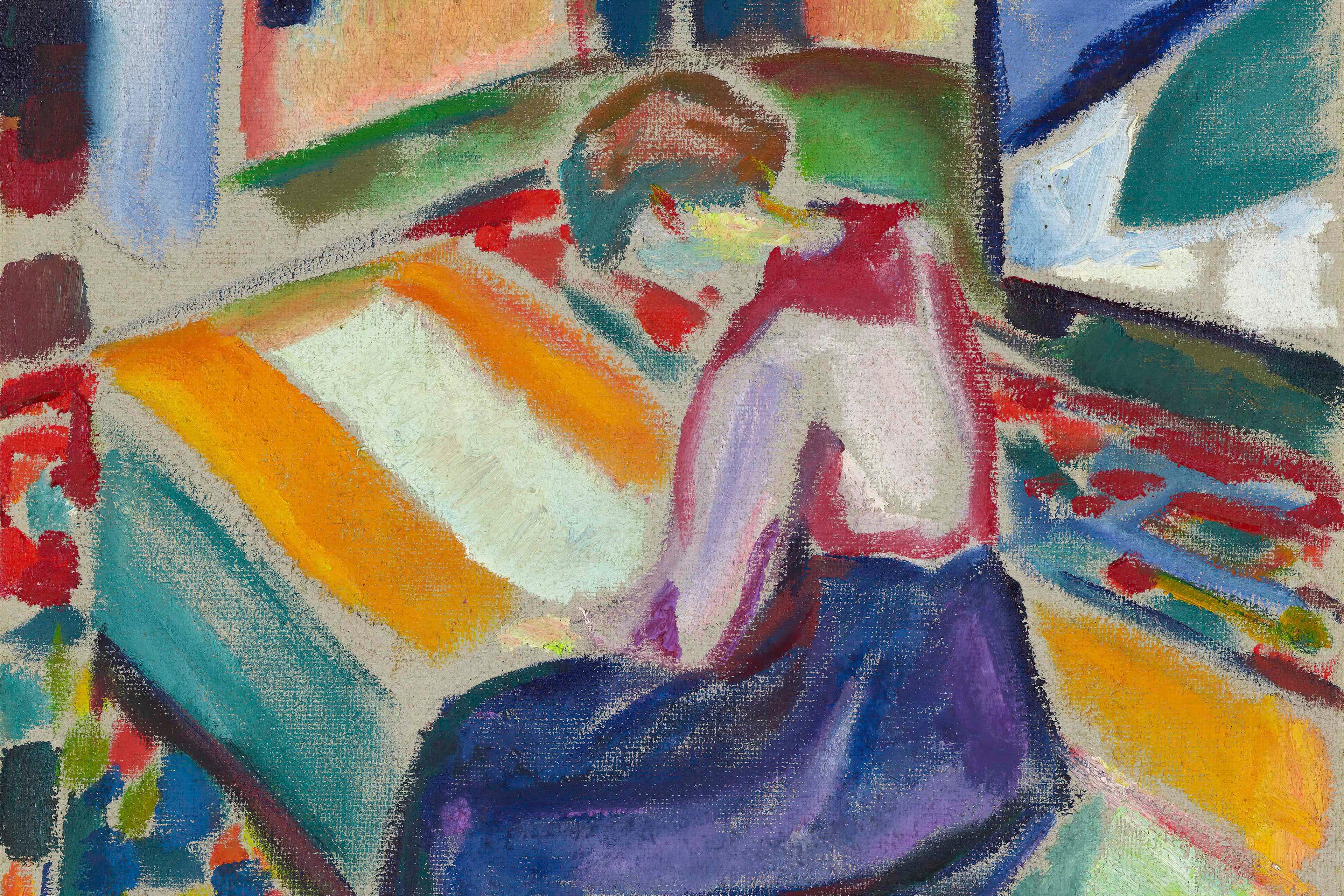
The power of slow therapy, revealed in two pioneering memoirs
Two therapy memoirs by Lucy Freeman, an overlooked mental health pioneer, remind us of the value of slow, convoluted therapy
by Elliot Jurist

Either/or questions are part of psychotherapy’s language games
When a patient poses a binary question, it’s tempting to give a straight answer, but they are often seeking so much more
by Darren Haber

To learn from a psychedelic trip, explore the dreams that follow
Psychedelic experiences, properly digested, offer opportunities for change – and the dreams that follow them can help
by Mackenzie Amara
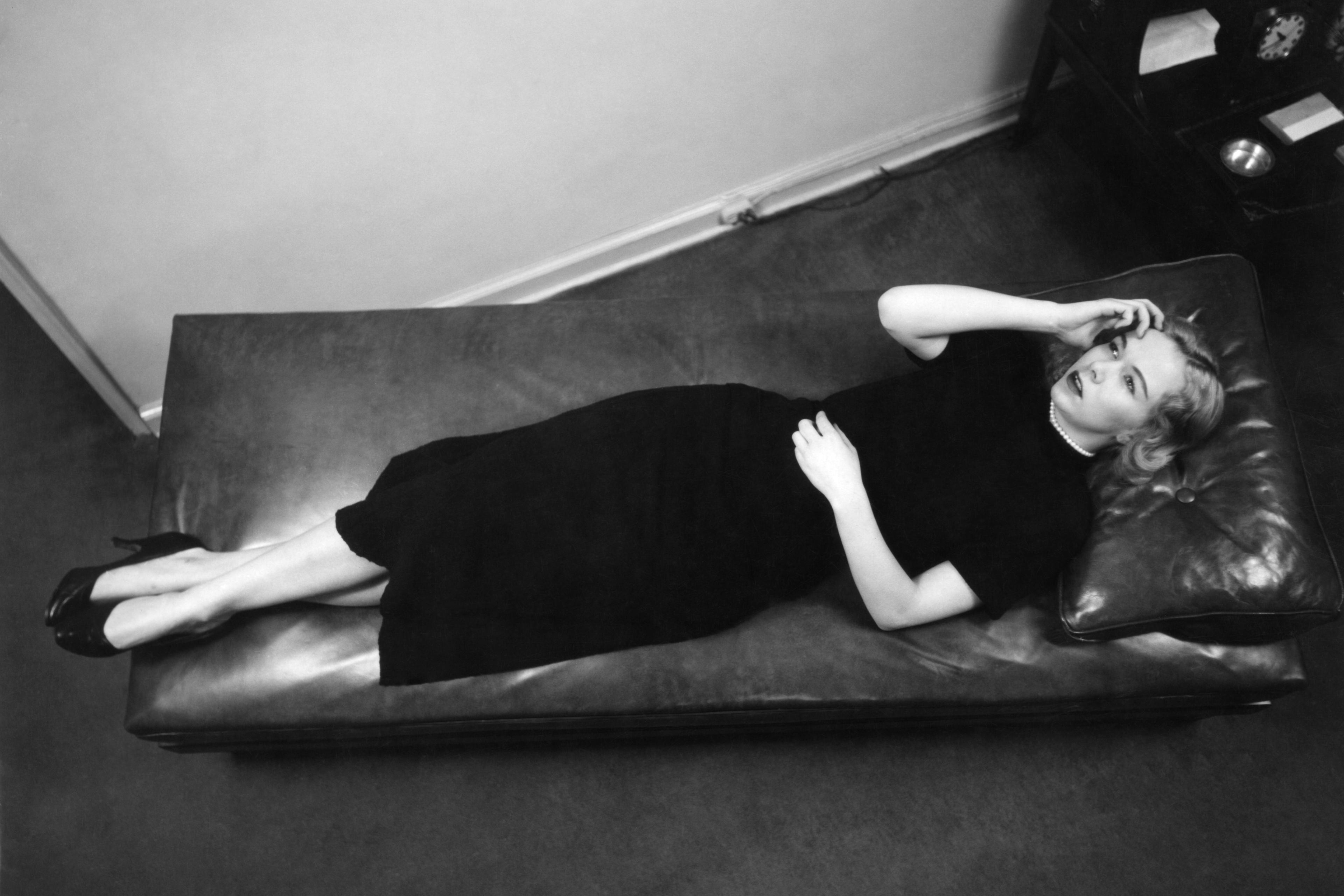
My failed analysis gave me confidence and taught me when to quit
What does successful psychoanalysis look like? I’d read all around Freud and I didn’t know, but then neither did my analyst
by Lisa Levy