
History of ideas
Articles, Films and practical Guides on history of ideas, part of Psyche’s coverage of self-knowledge and personal growth.

True courage isn’t being fearless, it’s fearing well
Aristotle created the blueprint for the bravery we need to resist injustice and do the right thing, even at our own risk
by Andrew Culbreth

Asteroid economics: why we’re shopping our way through Armageddon
We must escape the psychological trap where grave warnings about existential threats trigger ever more destructive behaviour
by M I Krueger

Why it’s possible to be optimistic in a world of bad news
The original optimist, Leibniz, was mocked and misunderstood. Centuries later, his worldview can help us navigate modern life
by Sumit Paul-Choudhury
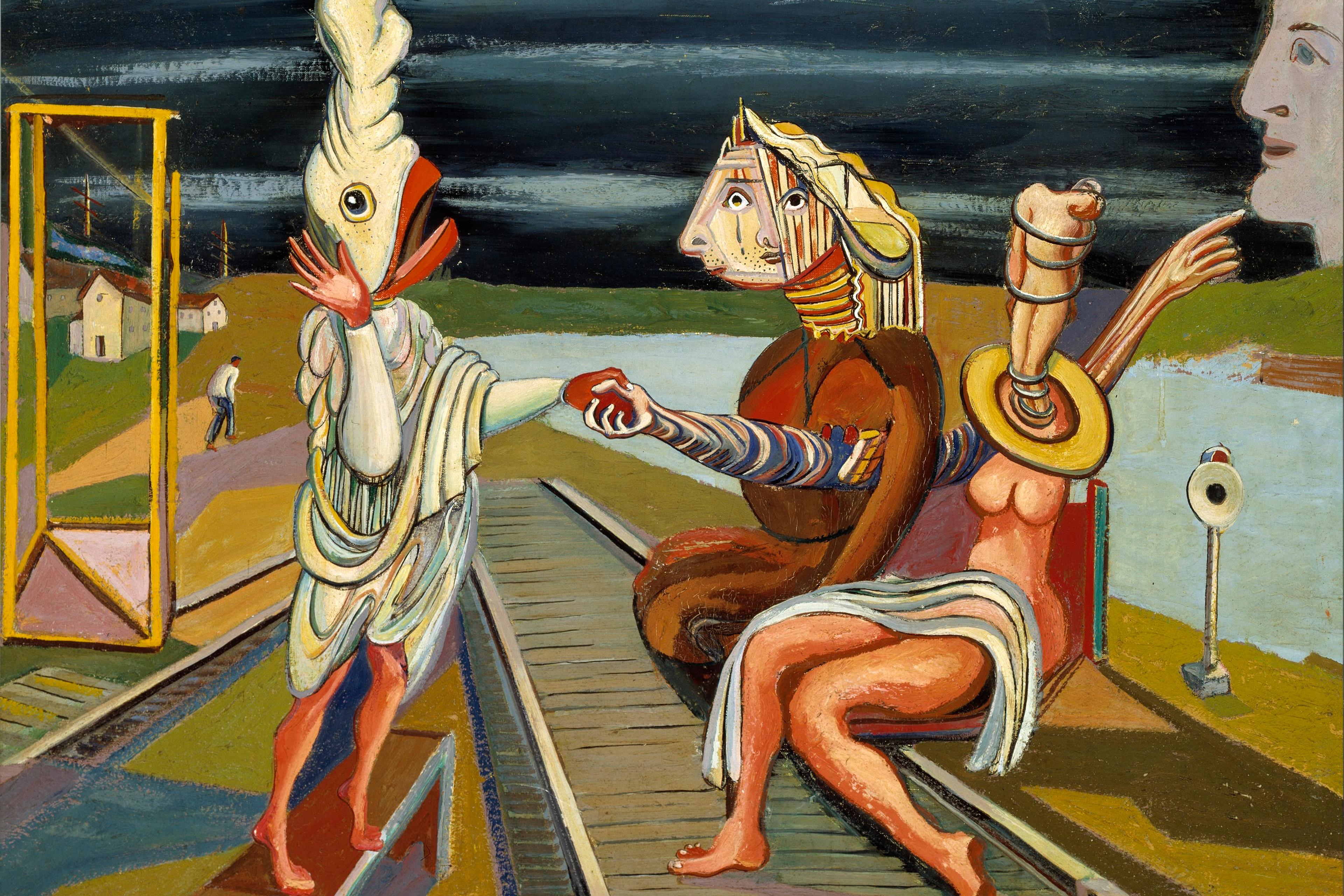
Let me open a treasure chest to explain how metaphor works
Once maligned by philosophers, metaphors are a key communication tool for extending the power of literal speech
by Elek Lane

We need the toolkit of utopian thinking, now more than ever
Many dismiss utopian ideas. But imagining a better world is a vital political skill for tackling today’s challenges
by Caitlin Rajan


Bunkerised society – why prepping for end times is so American
Millions are preparing for doomsday, not together, but by closing the hatch. It’s a logical response to a hollowed-out state
by Robert Kirsch & Emily Ray

In defence of slouching: the bad science behind good posture
The idea that we should all stand straight is widely accepted. But this modern obsession has dubious origins
by Beth Linker
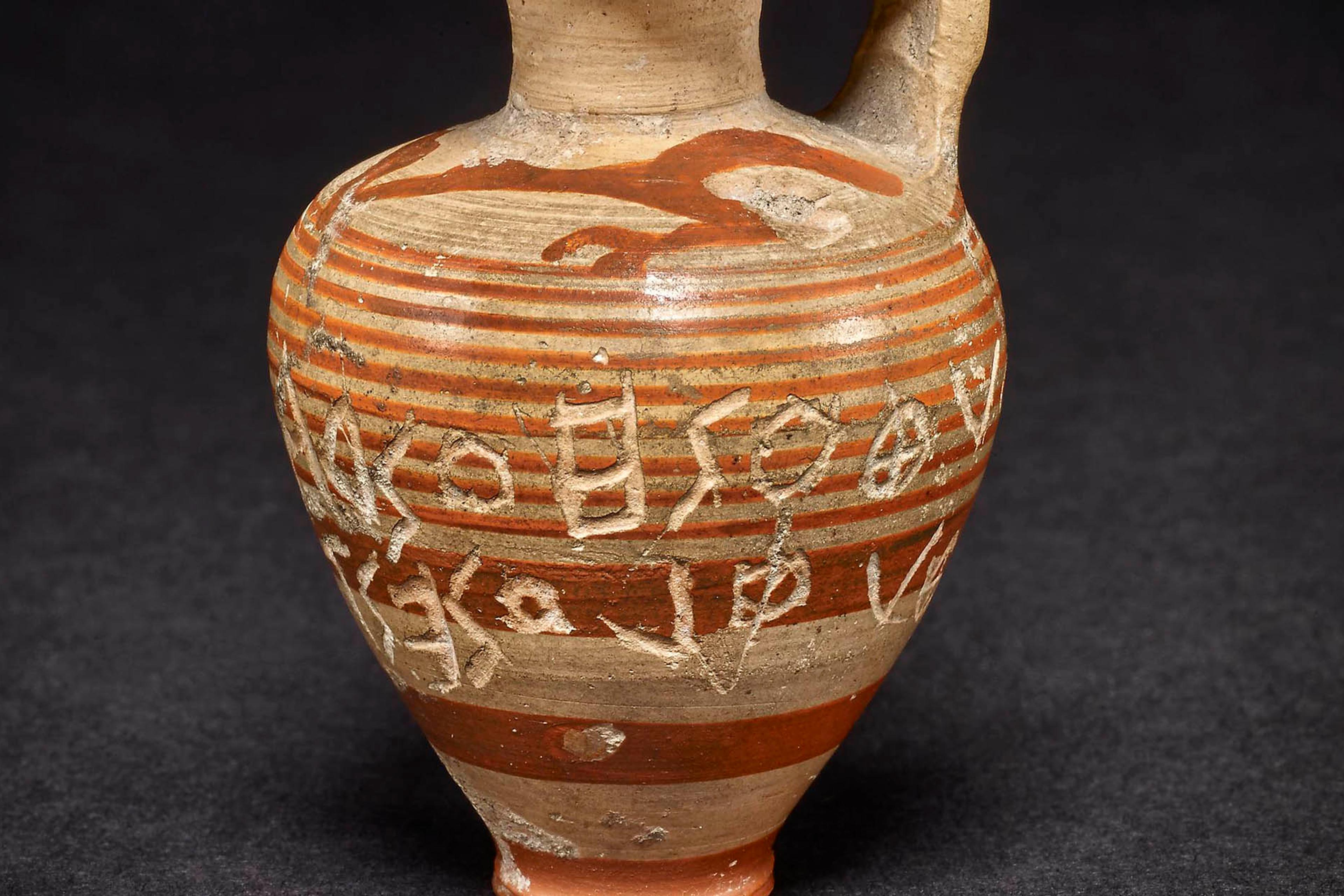
I am an article about the speaking objects of ancient Greece
Talkative drinking cups and threatening oil flasks tell us how the written word asserted its authority in an oral society
by Teddy Fassberg

The most profound wonder is stirred by what is most ordinary
Rare moments of wonder at the mere existence of things – rather than the dramatic or new – involve perceiving with the soul
by Maria Balaska
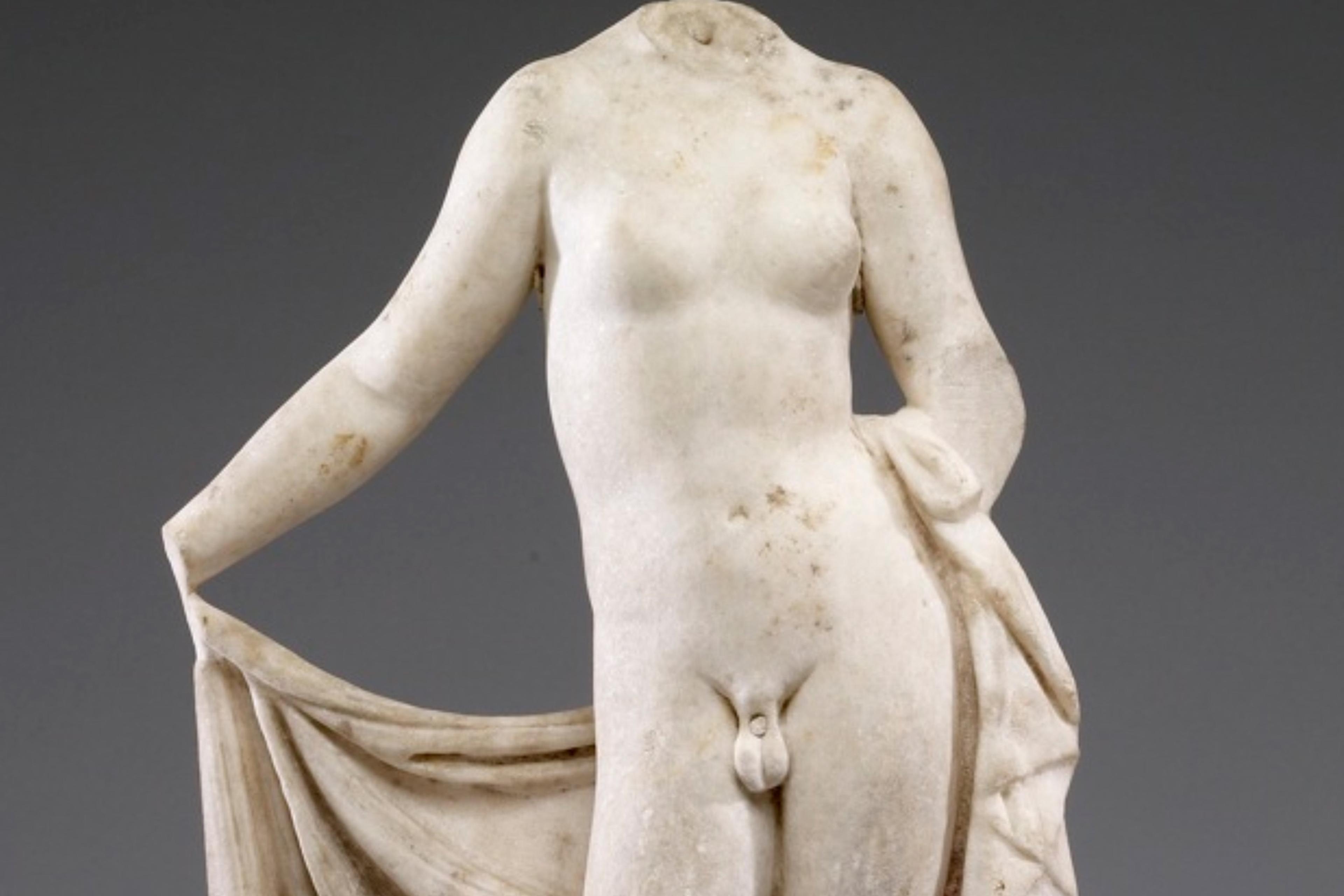
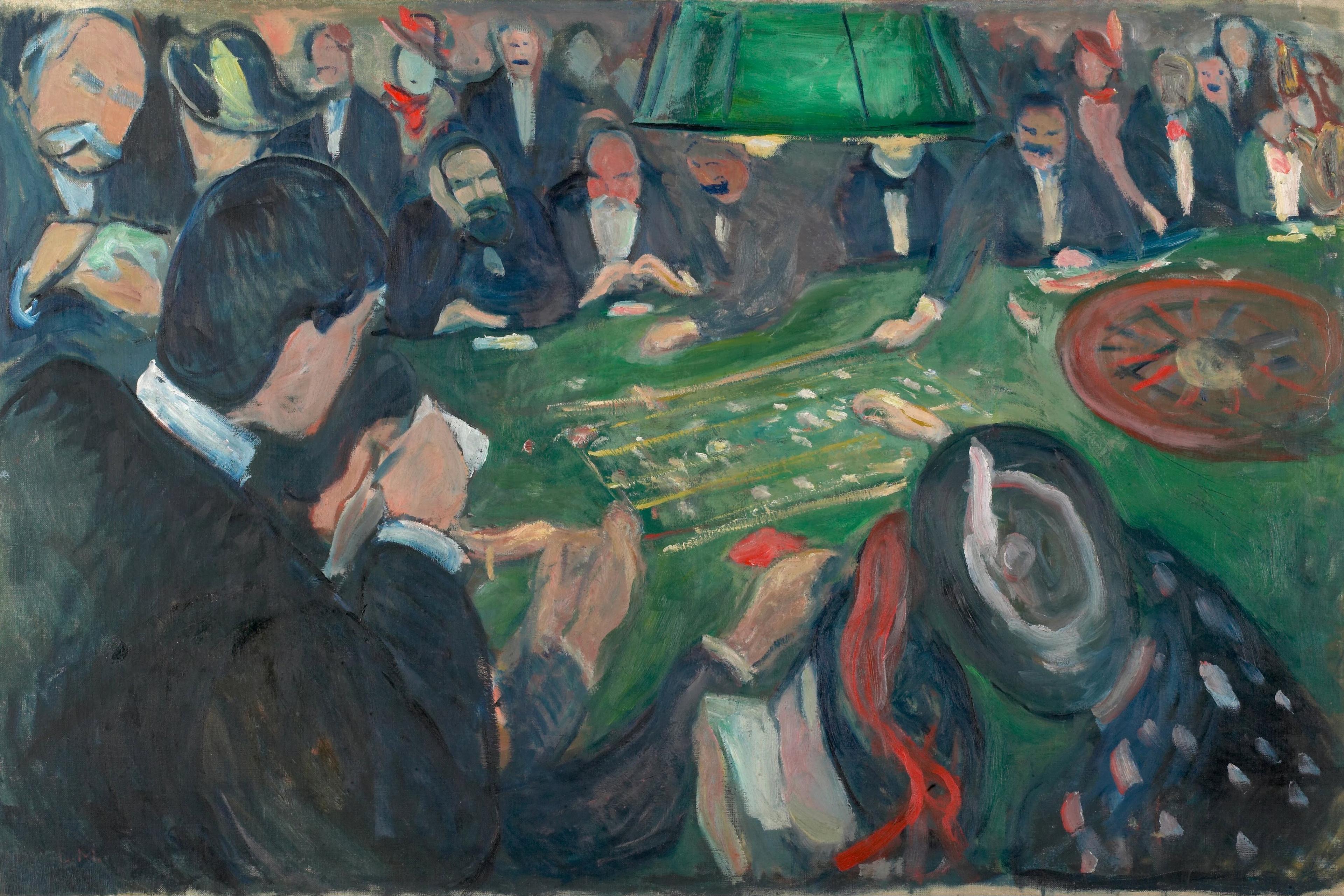
What we gain by recognising the role of chance in life
Appreciating the world is random can foster perseverance, gratitude for our own luck and empathy for the plight of others
by Mark R Rank
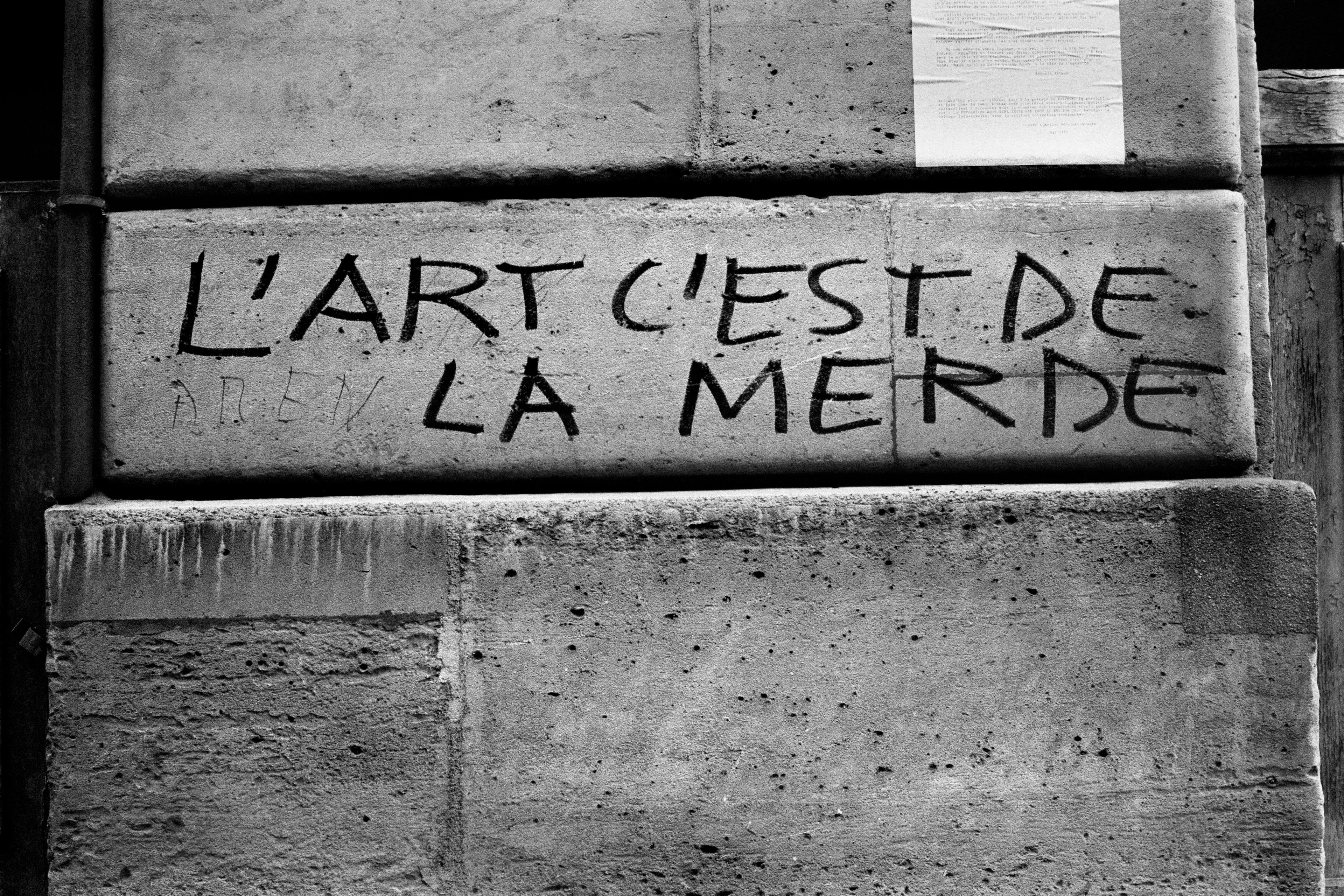
Censoring offensive language threatens our freedom to think
The modern obsession with textual purity stems from a misapplication of the philosophies of Wittgenstein and Derrida
by Paul Ham

How to think about time
This philosopher’s introduction to the nature of time could radically alter how you see your past and imagine your future
by Graeme A Forbes

The medieval notion that shows why even experts should be humble
Nicholas of Cusa and others saw the importance of ‘learned ignorance’ or recognising there is always something more to learn
by Christopher M Bellitto